Solo By Design
A newsletter about lasting businesses
not laptop life-style fantasies
Getting better at the work won't get you work
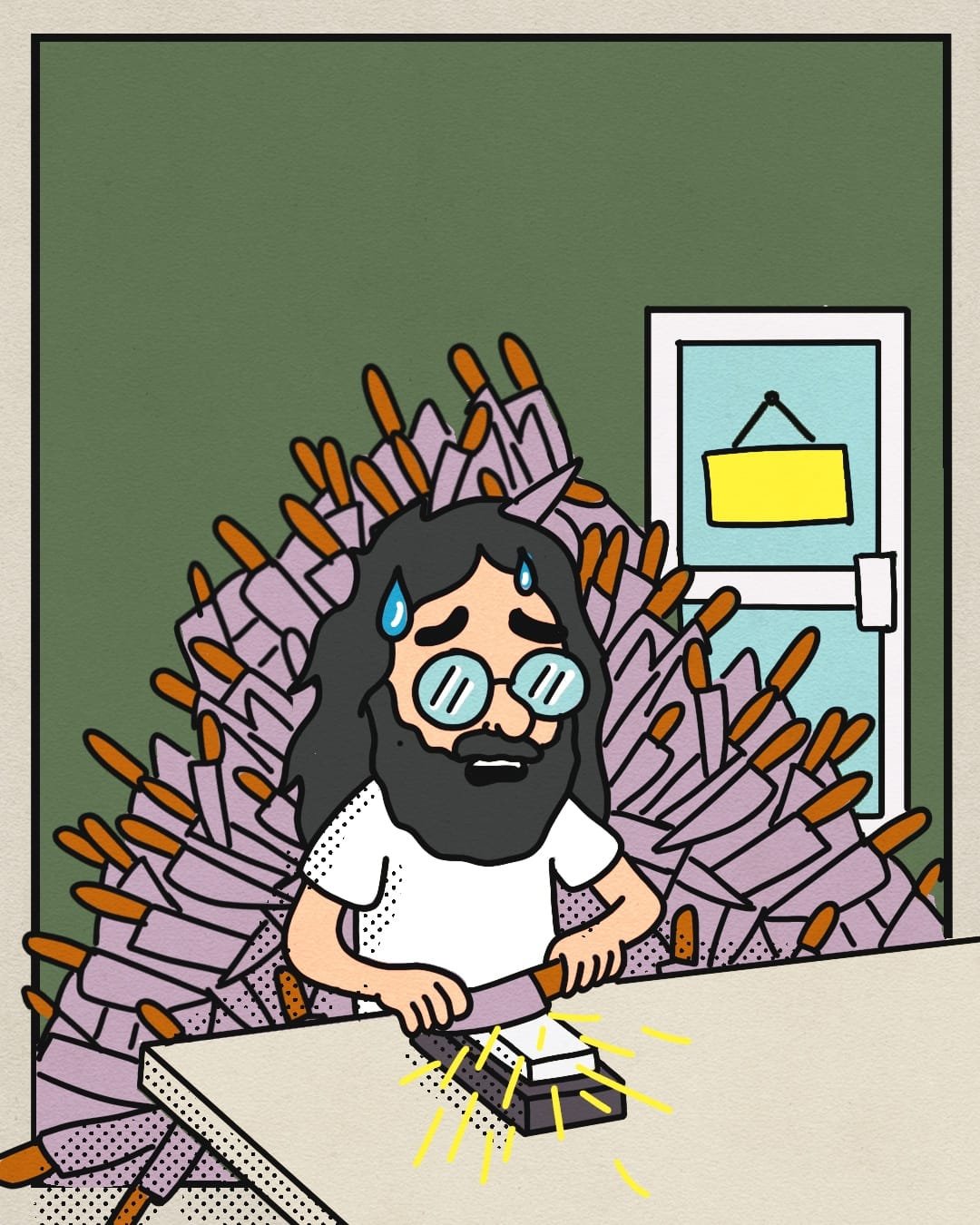
You are excellent at what you do, and the work still isn't coming. So you do the natural thing: you get better. Another course, a sharper skill, a cleaner portfolio. Here is the hard part: getting better is inward work, done alone where you feel safe. Getting clients is the outward, exposing work you have been avoiding. That gap, not your skill, is why the pipeline stays flat
AI will build the wrong thing faster
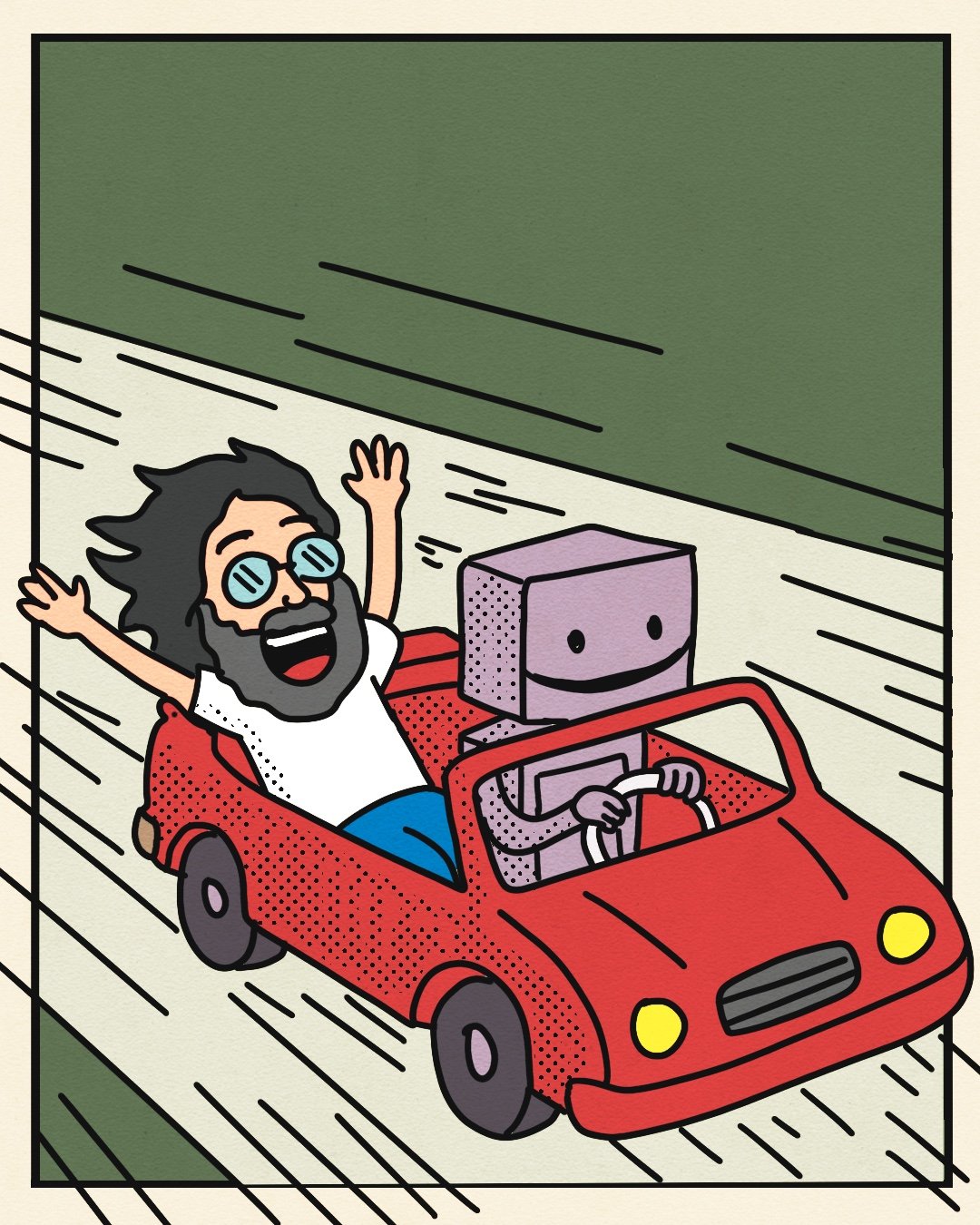
AI can draft your offer, your positioning, your whole business plan in seconds, and the result will look completely reasonable. That is exactly why it's dangerous. Hand the machine your direction and it builds the obvious, average business, fast, and you may not notice it was never the one you wanted.
Sell the thinking, not the hours
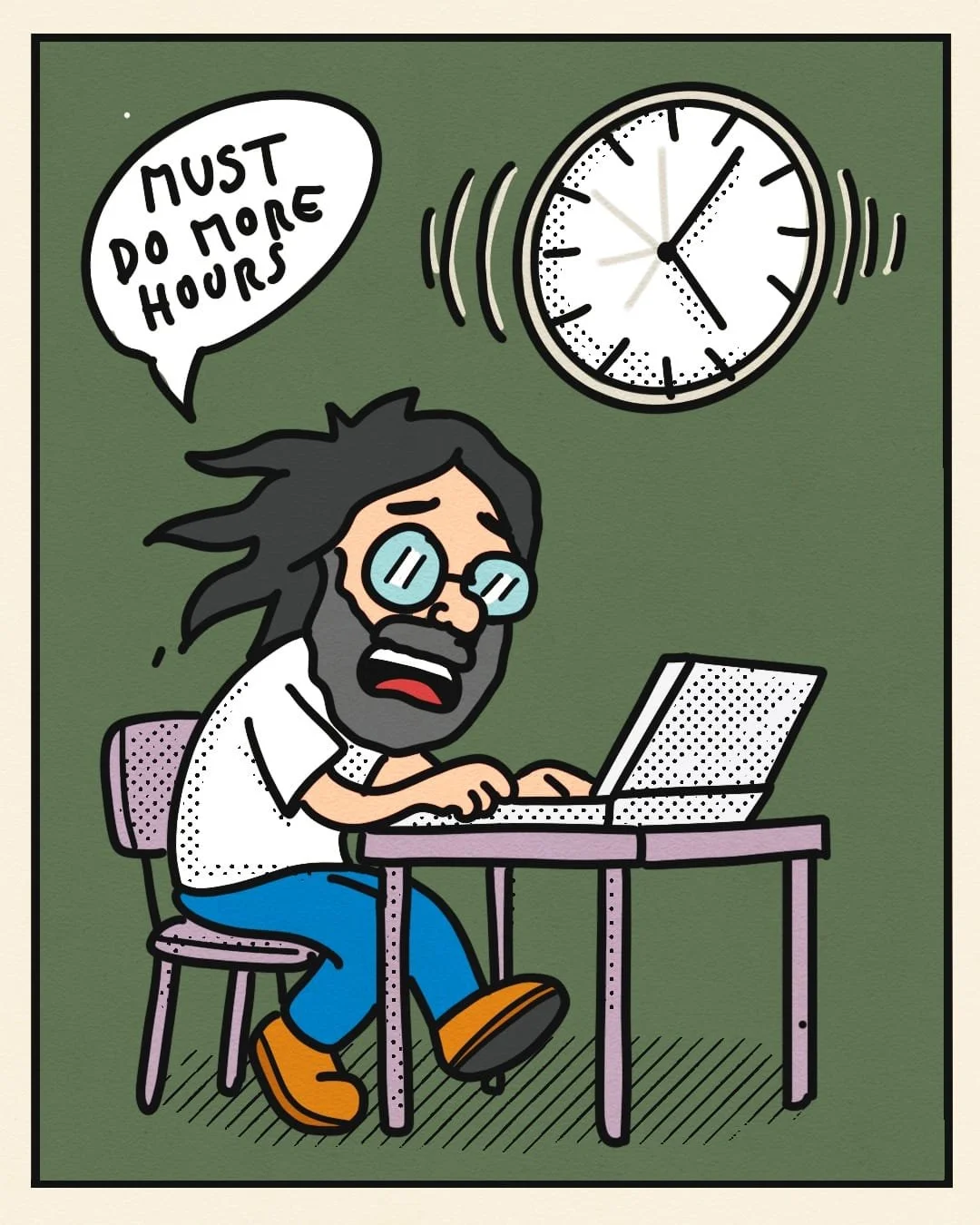
If a machine can produce your deliverable in seconds, why would anyone pay you for it? They won't, for long. What they will pay for is the judgment behind the work, and pricing your offer around that is the difference between competing with AI and being worth more because of it.
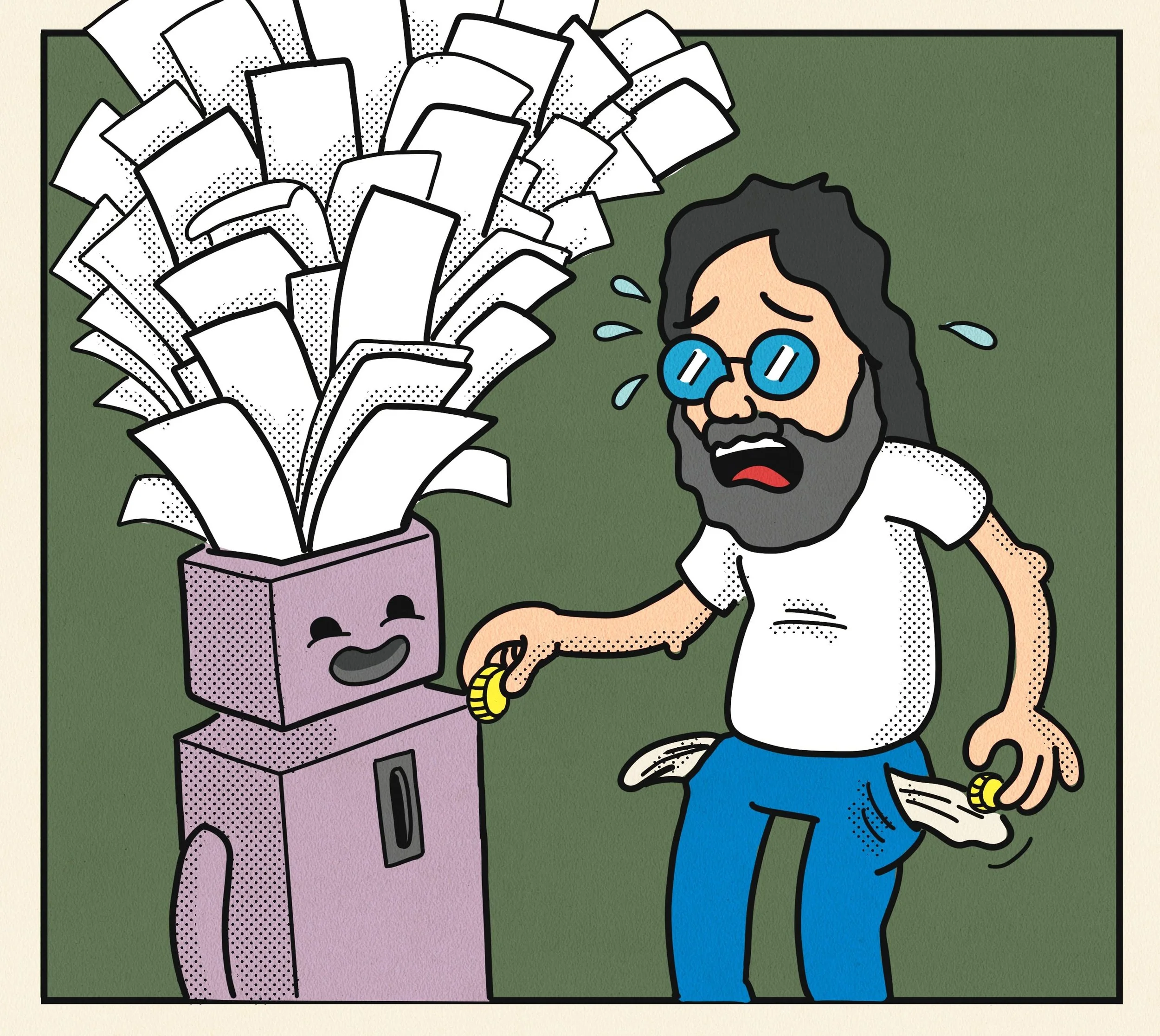
AI does your output. Sell the rest
When AI produces in seconds what you used to sell, competing on output is a race you cannot win. The move is to find the line between the work a machine can copy and the work only you can do, then rebuild your offer above it. Here is how to draw that line for your own business.

Why great tactics fail single-person businesses
Most advice for solo experts comes as a single lever to pull: post daily, double your rates, launch a course. Elina Jutelyte, founder of the Freelance Business Community and host to over 5,000 freelancers, has watched those levers backfire again and again, because a tactic pulled in isolation breaks when the rest of the business isn't built to support it. In this conversation she breaks down her 8Ps framework, the order you actually have to fix things in, and why Price, the thing everyone frets about, is one of the last moves, not the first. If you've ever done "everything right" and still attracted the wrong clients or heard crickets, this is the diagnosis.
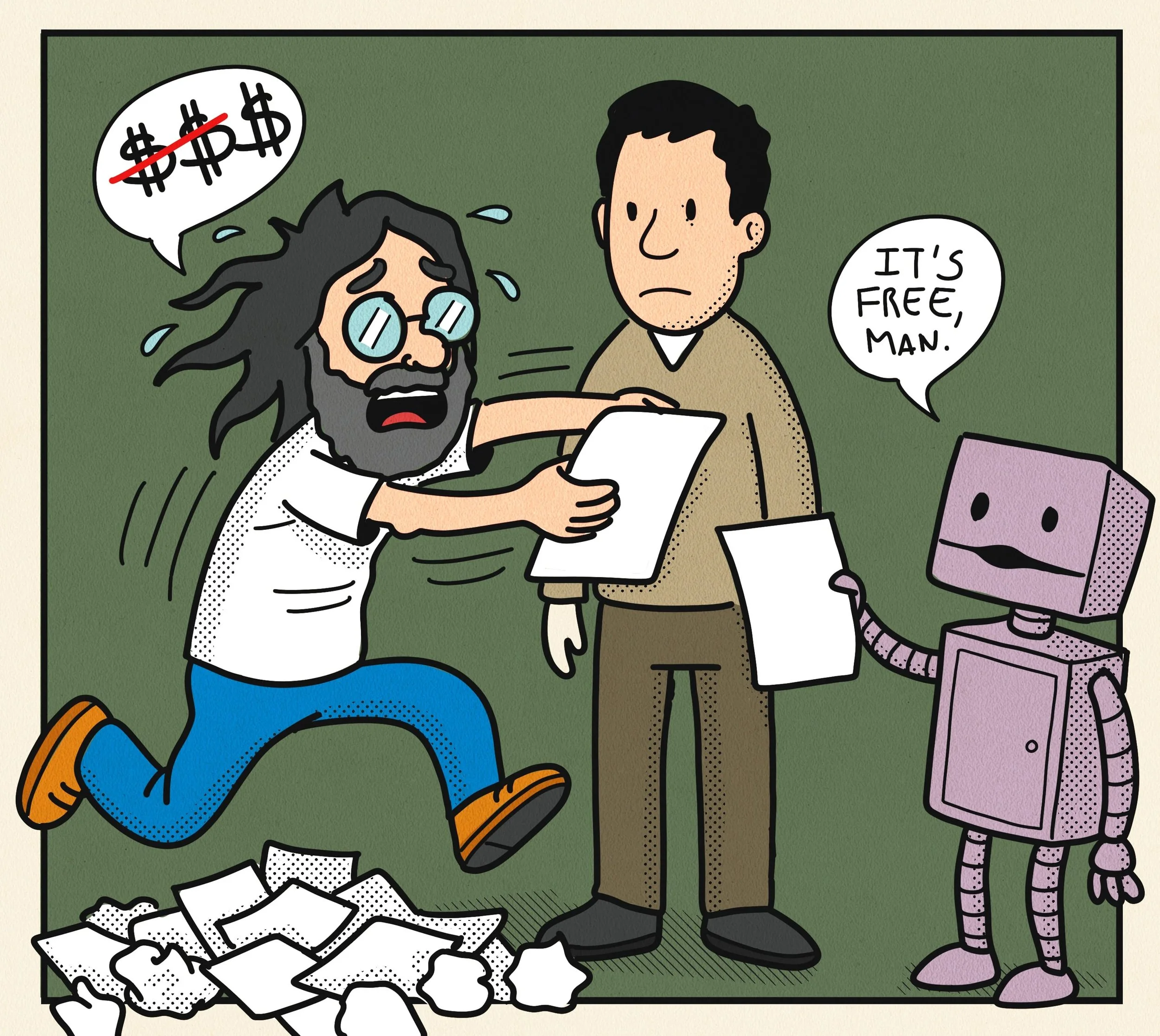
The more you make, the less you matter
You are faster than you have ever been. AI drafts in seconds what used to cost you a morning, and somewhere in that speed, the work started to feel less like yours. Here is why more output can leave an experienced professional feeling more replaceable, not less, and what it means for the thing you actually sell.
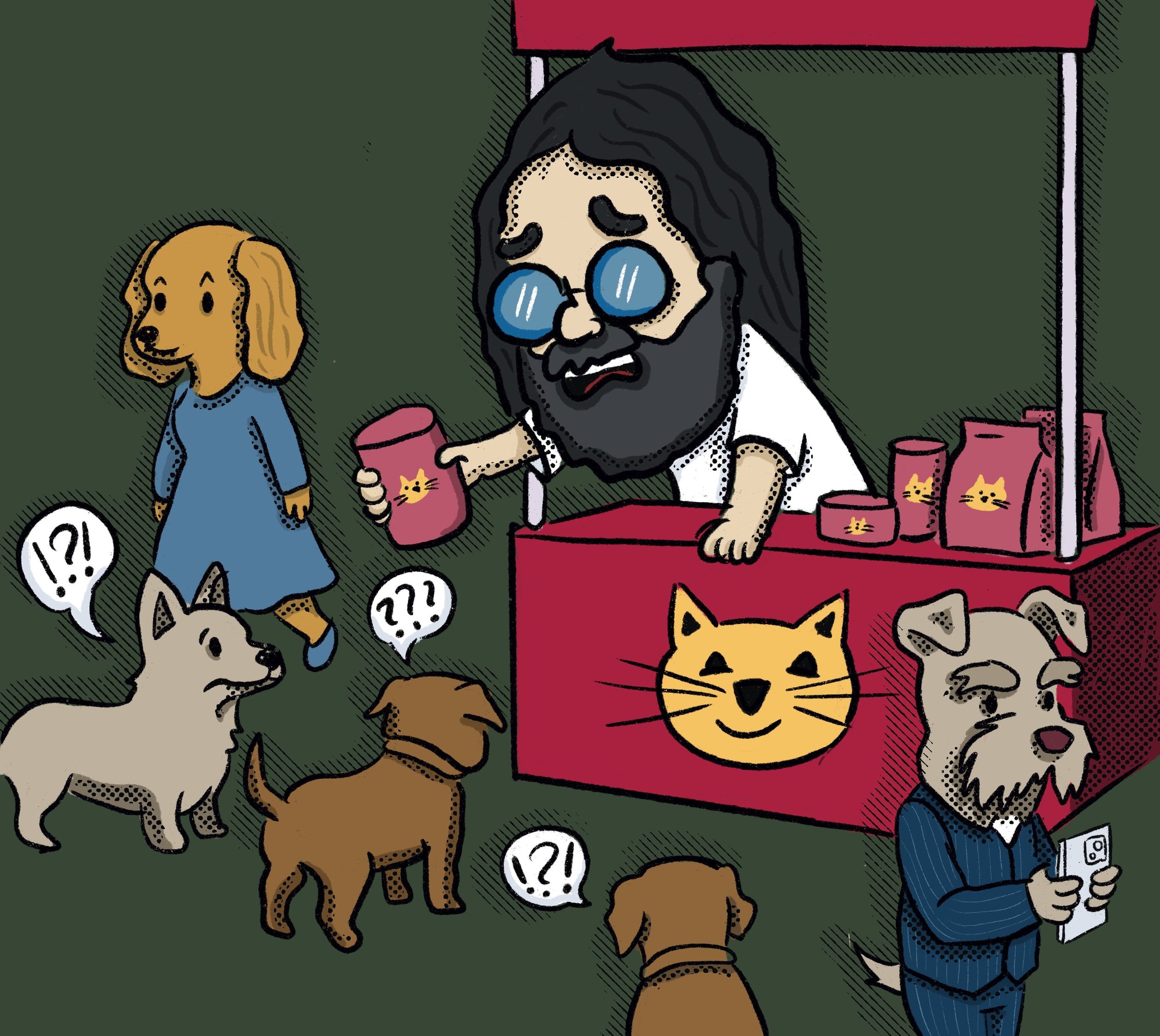
Doing everything, still no clients?
You've tried posting more, going to the events, sending the careful follow-ups. The replies still aren't landing, and somewhere this month you started wondering if your offer is the problem.
It probably isn't. The real reason you're invisible to buyers is easier to fix than rewriting your pitch for the tenth time, and it has nothing to do with the words.
Here's what changes when you make the calls now instead of when desperation makes them for you.
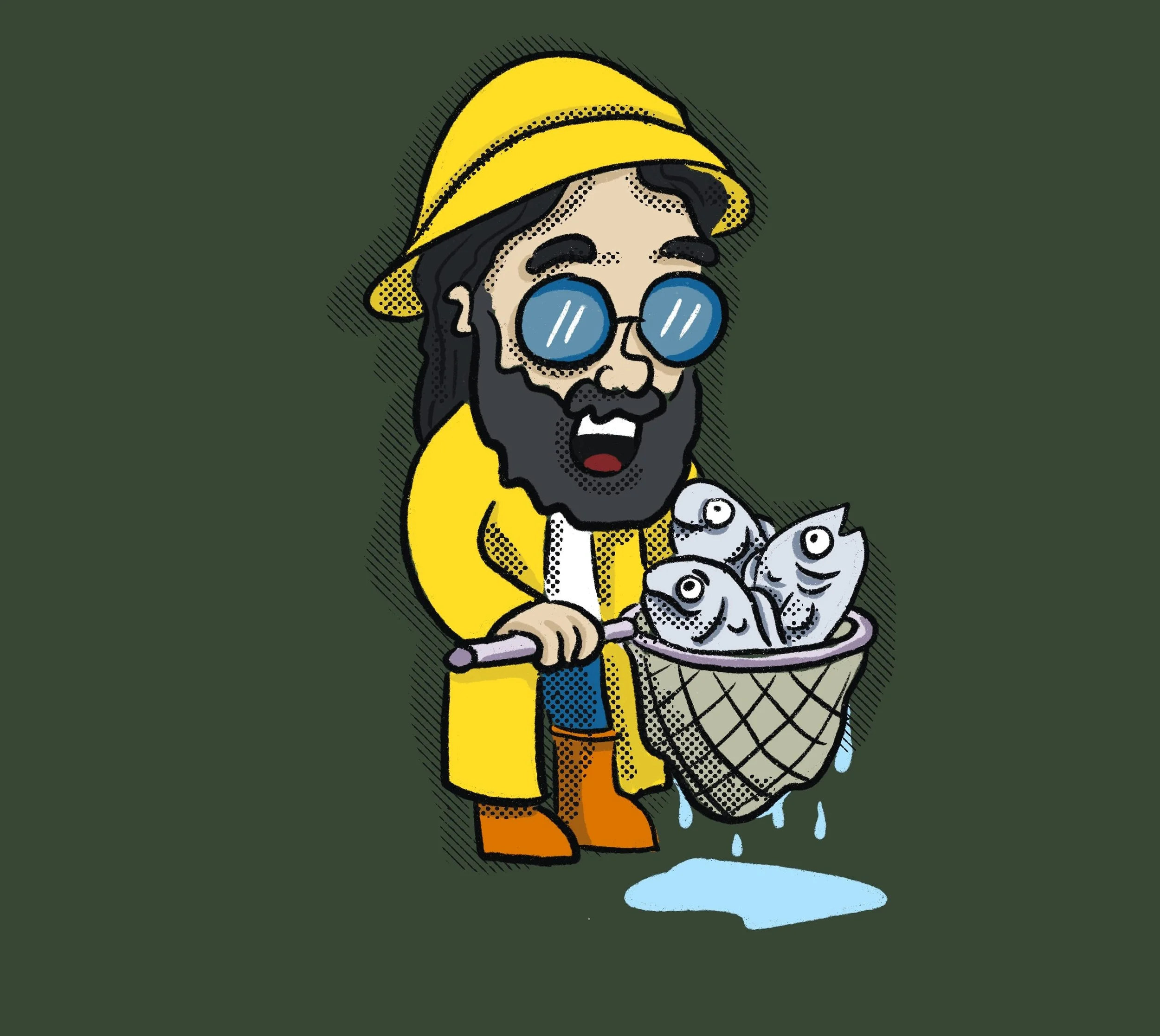
Fewer people showed up but more of them bought
Your best post in months just cleared four thousand views, and your inbox stayed empty. It's a deflating, confusing moment, and it points at something most solo businesses have backwards about visibility.
Reach and revenue are not the same thing. Chasing the first rarely produces the second, and the gap between them is where a lot of good people quietly burn out.
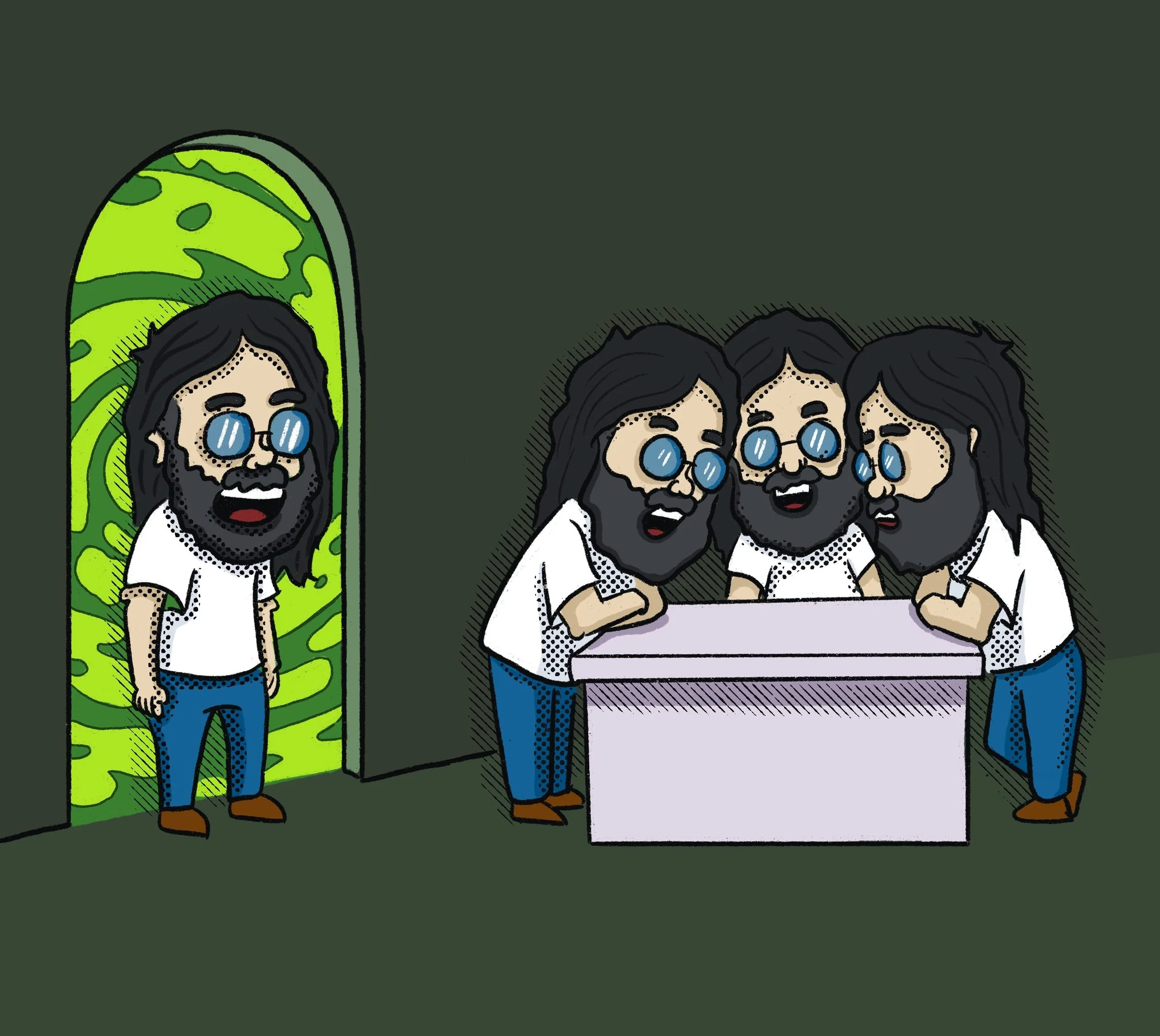
Everyone in the room was just like me
When the pipeline goes quiet, almost everyone reaches for the same lever: get in front of more people. Post more, run an ad, chase one viral moment.
It rarely works, and the reason is simple. You're guessing where your buyers are instead of asking them, and there's a slightly uncomfortable move that beats all the reach in the world.
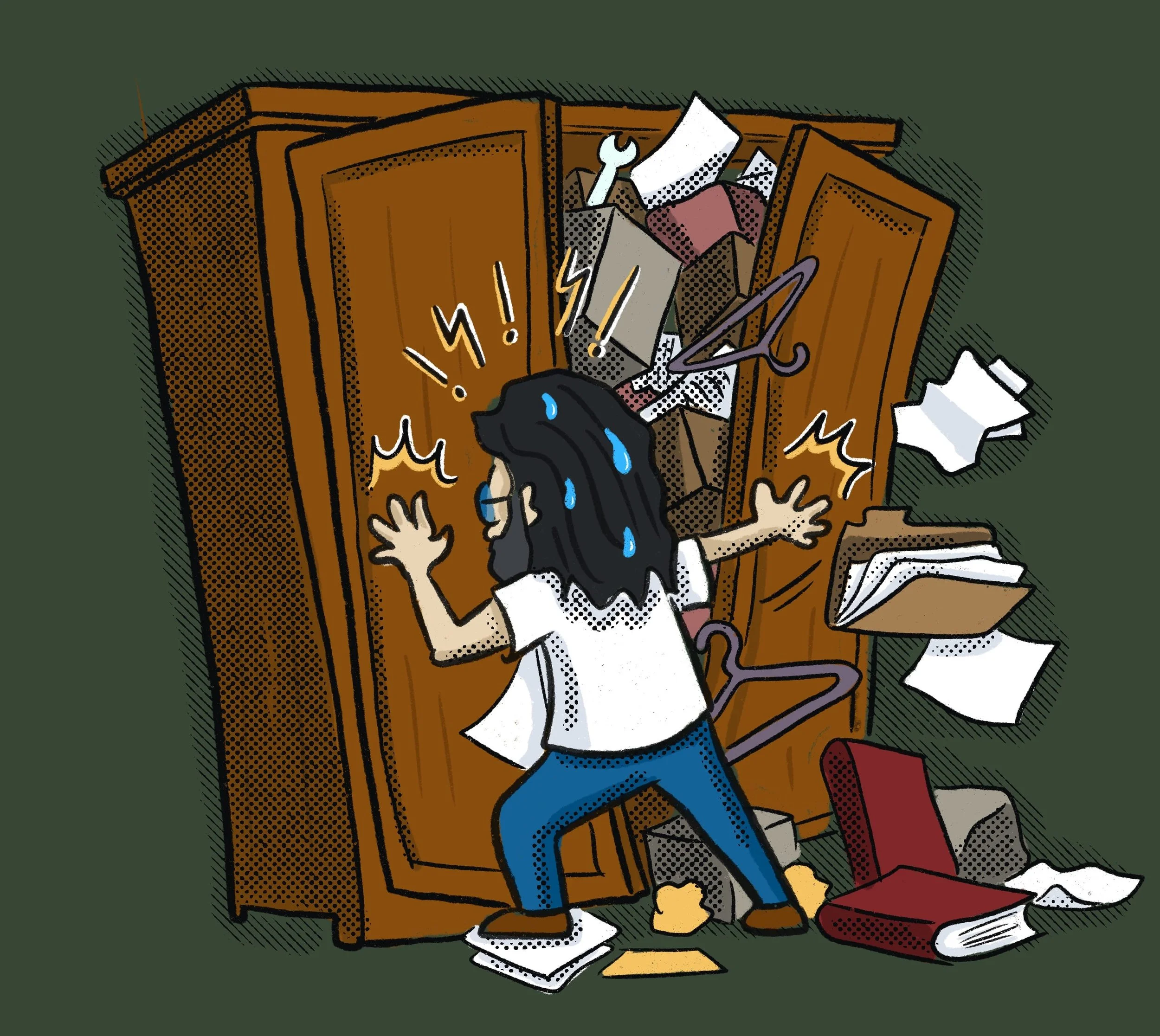
I'll make a decision when I have more clients
Solopreneurs don't usually fail from working on the wrong thing. They fail from postponing the right things until they don't have the runway to make them properly anymore.
You can keep three services on your site, an undecided niche in a Notion doc, an unraised price in your notes, and an unfinished offer in your drafts, for a while. Then the bill comes due.
Here's what changes when you make the calls now instead of when desperation makes them for you.
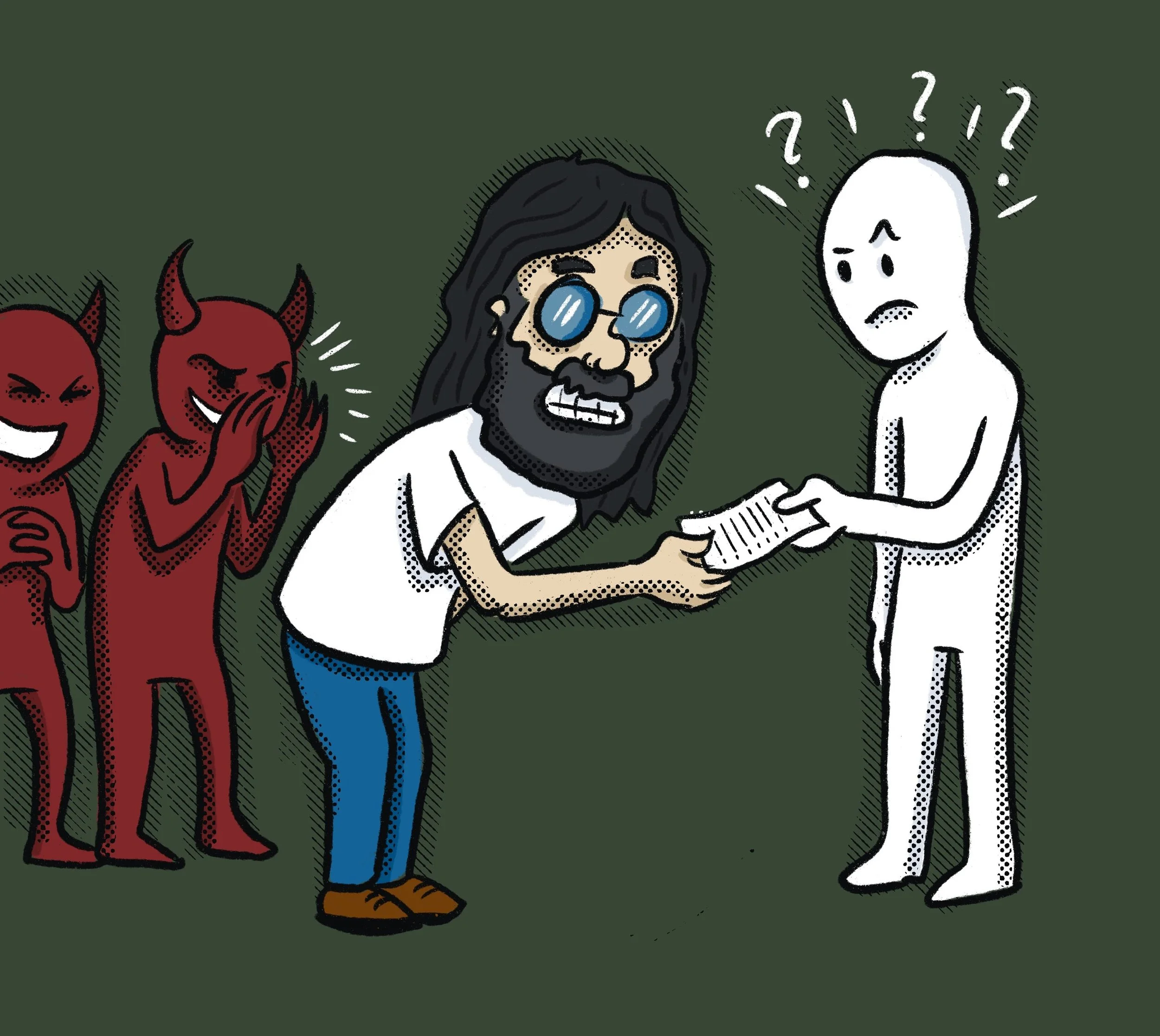
I stopped apologising for my value
Most pricing problems aren't really pricing problems. They're confidence problems wearing a calculator.
You can know exactly what your work is worth and still feel queasy typing the number into a proposal. You can have the case studies, the testimonials, the years of expertise, and still go back and round the price down the night before you send it.
Here's what shifts when someone actually stops doing that.

The system is broken, not you
You've probably blamed yourself for a system that was never built for you. The planner you abandoned, the dashboard someone else designed, the app everyone swears by that you opened twice and forgot. This week, Andrea Reeves of Type C Creative talks about what changes when you stop trying to fix yourself and start building for who you actually are.
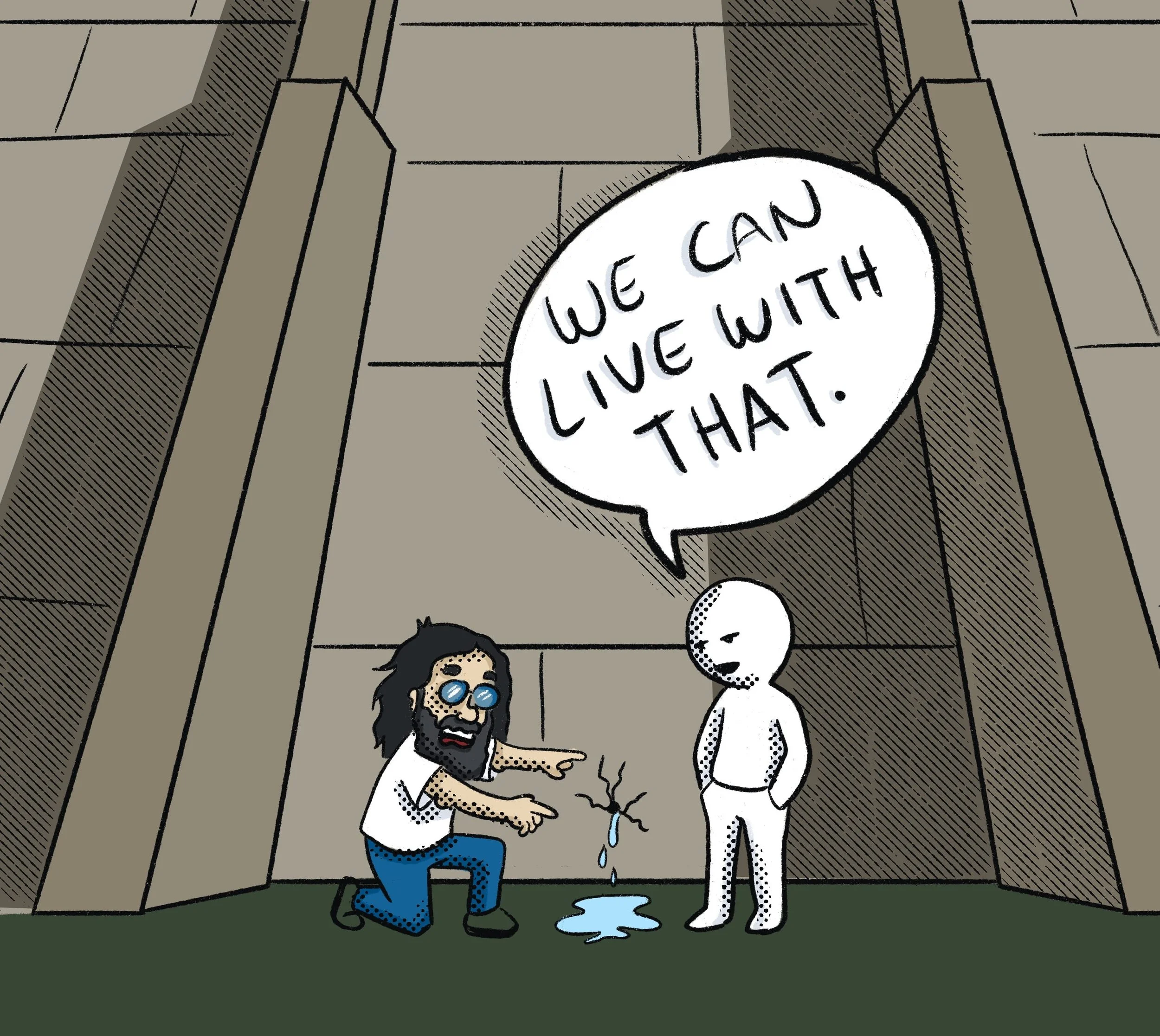
Nothing breaks if they don't hire you
If you've been rewriting your offer page every few weeks and the conversions still aren't moving, the problem probably isn't your copy.
Most stuck offers don't have a clarity problem. They have a consequence problem. When the buyer asks themselves "what happens if I don't hire you" and comes up blank, they don't sign the contract. They never had to.
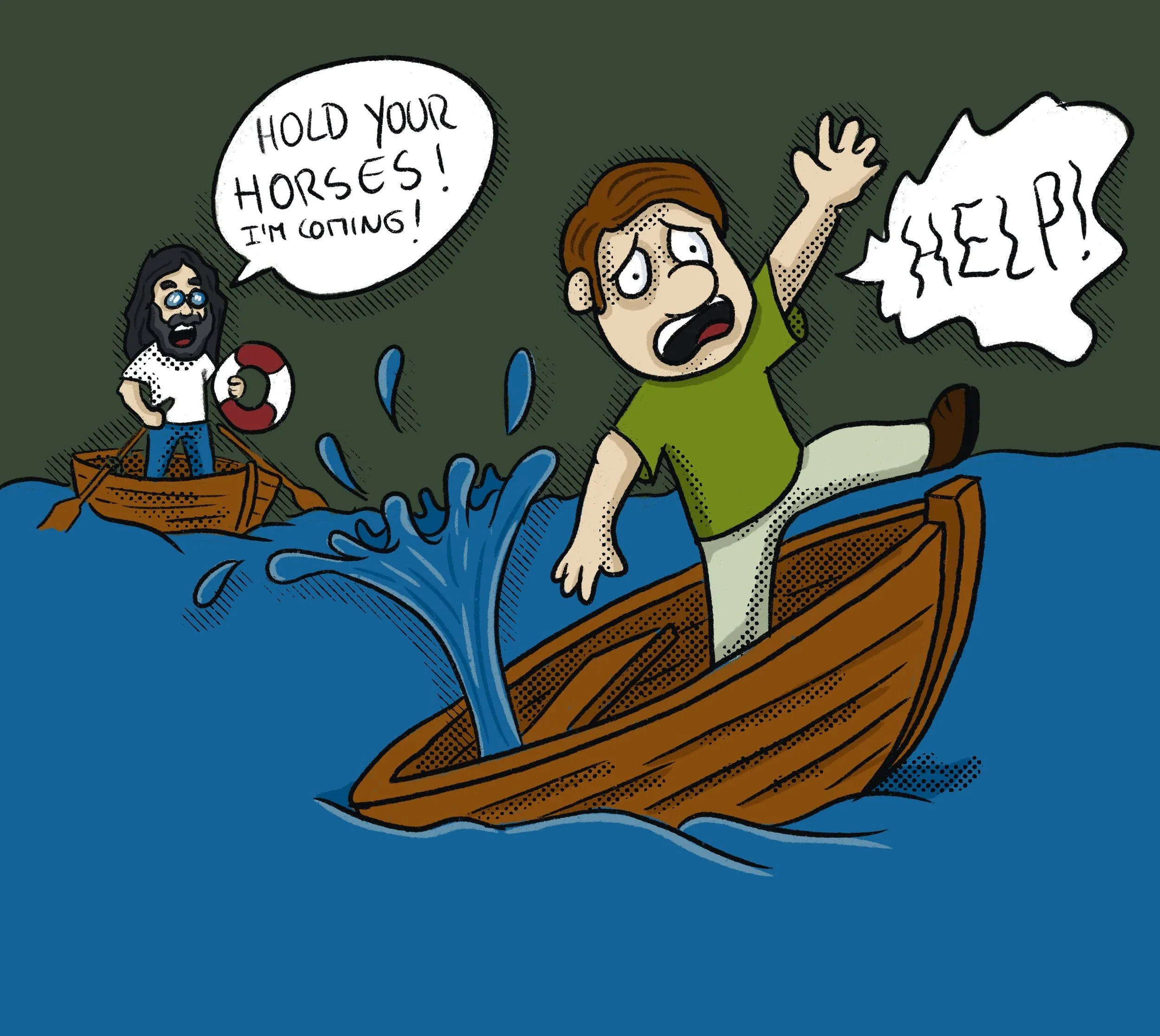
Plenty of interest but no money
Sometimes the problem with a stuck offer isn't the offer at all. It's the category your buyer files it under.
Two categories matter. Nice-to-have, where good ideas go to wait for better times. Must-have, where money actually moves. The same skill set can sit in either, and in a tighter market the difference quietly decides who buys and who keeps saying "this is really interesting."

You became the operating system of your solo business. Now what?
You asked AI for a one-pager and got thirty. You built a skill to automate a task you'd done exactly once. Somewhere in there, the tool that promised to save you time started quietly costing more of it. Alexis Fernandez spent years as a COO untangling this kind of mess, and he has a blunt test for telling AI that's real leverage apart from AI that's just noise wearing a costume.
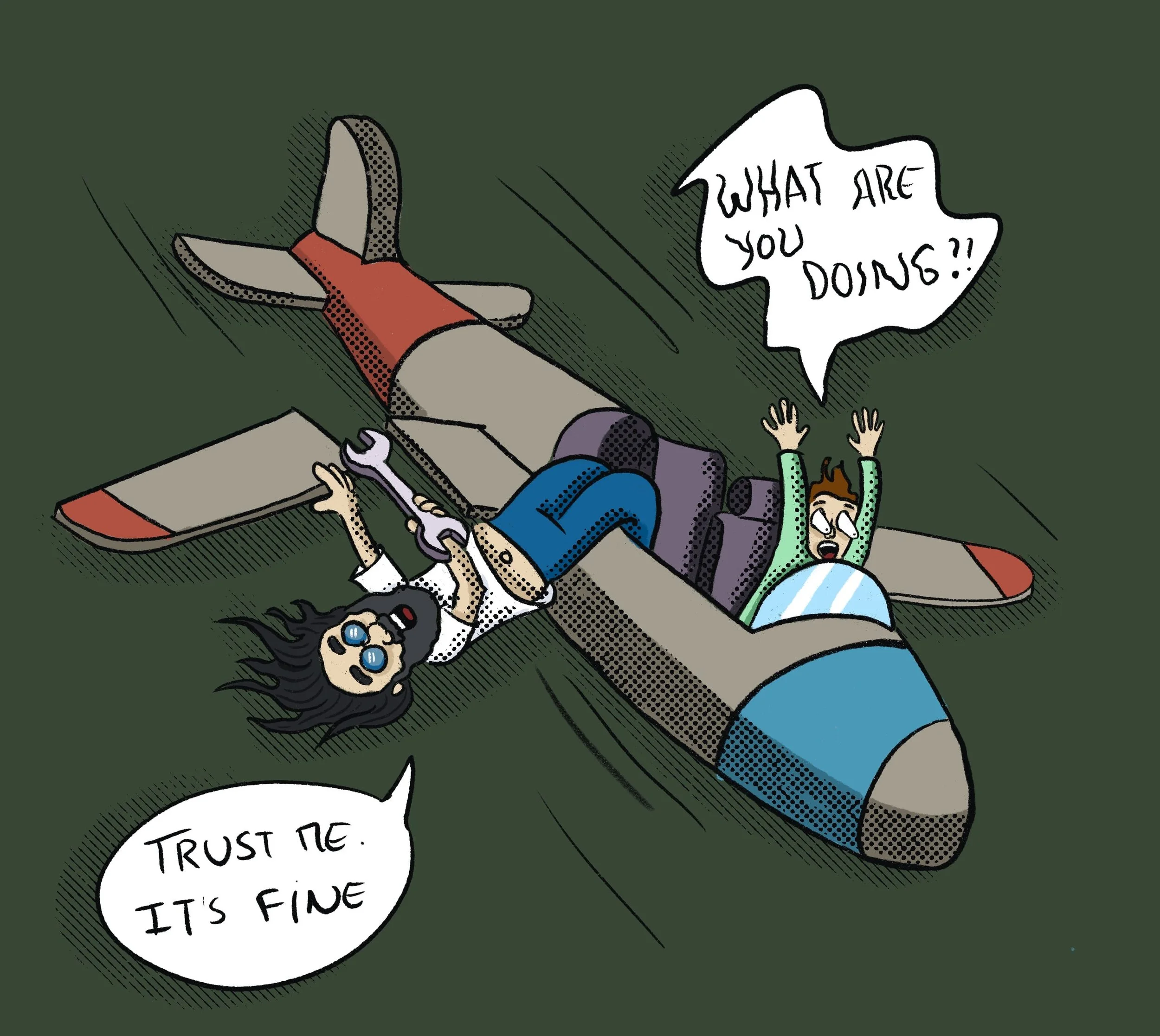
Winning clients is only the start
A full calendar is often the biggest red flag in your business. If "winning" a project feels like dread, you’re likely paying an "Efficiency Tax" on every invoice. Discover how to move from being a highly-paid laborer to a Solopreneur Architect by turning your knowledge into repeatable infrastructure
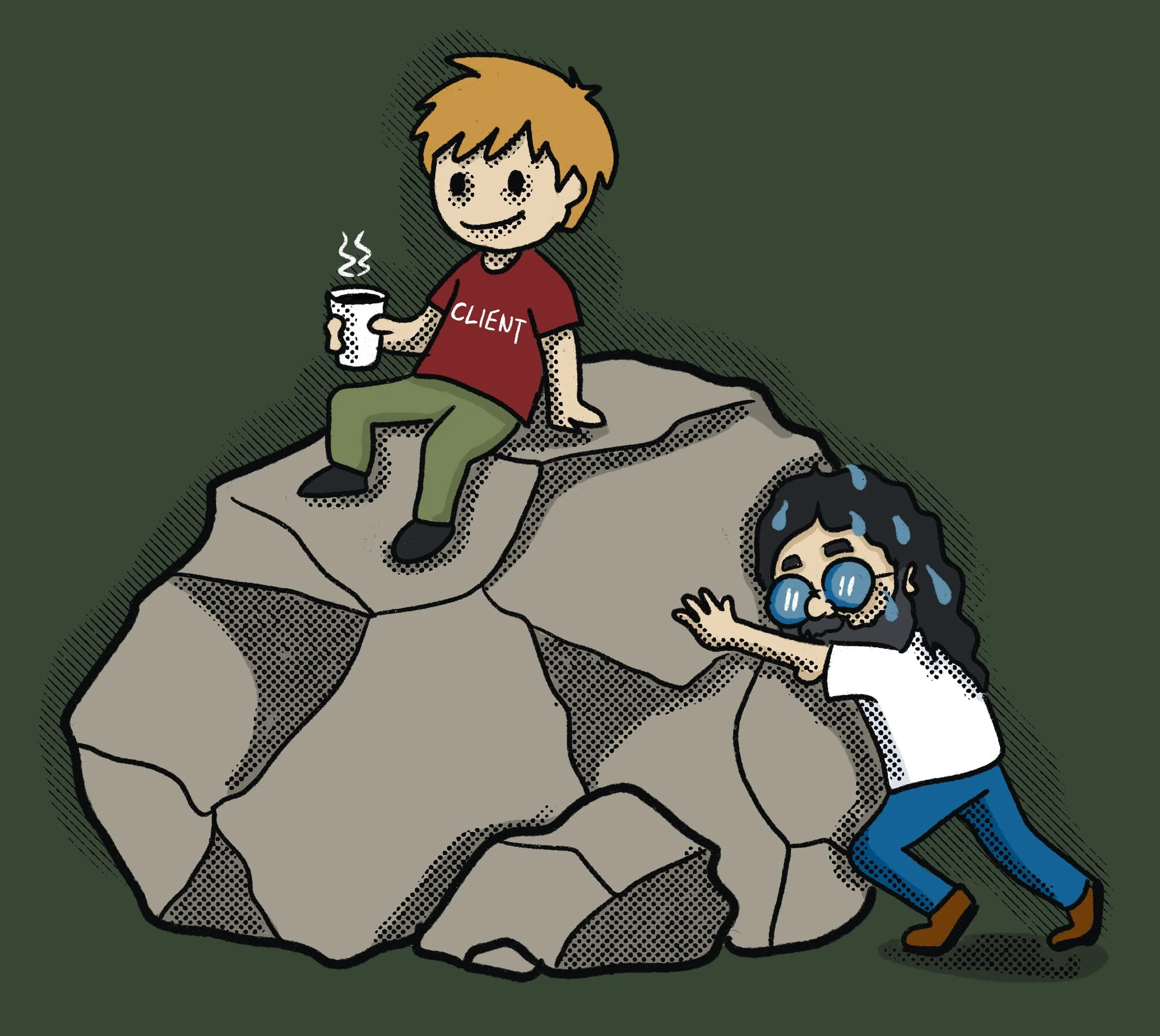
Custom is not a premium, it’s a problem
"Bespoke" is often just a fancy word for not having a system. While you think hyper-customization makes you premium, it’s actually keeping you trapped in the "Freelancer Trap." Learn how to find the patterns in your work to build a system that protects your creativity and allows you to scale

Content won’t save your business
Adriana Tica, author of Strategic AF newsletter, creator of the State of Solopreneurship Report and one of the sharpest voices on newsletters and content for solopreneurs.
She’s built her business around a (not so) simple idea: own your audience, don’t depend on platforms.
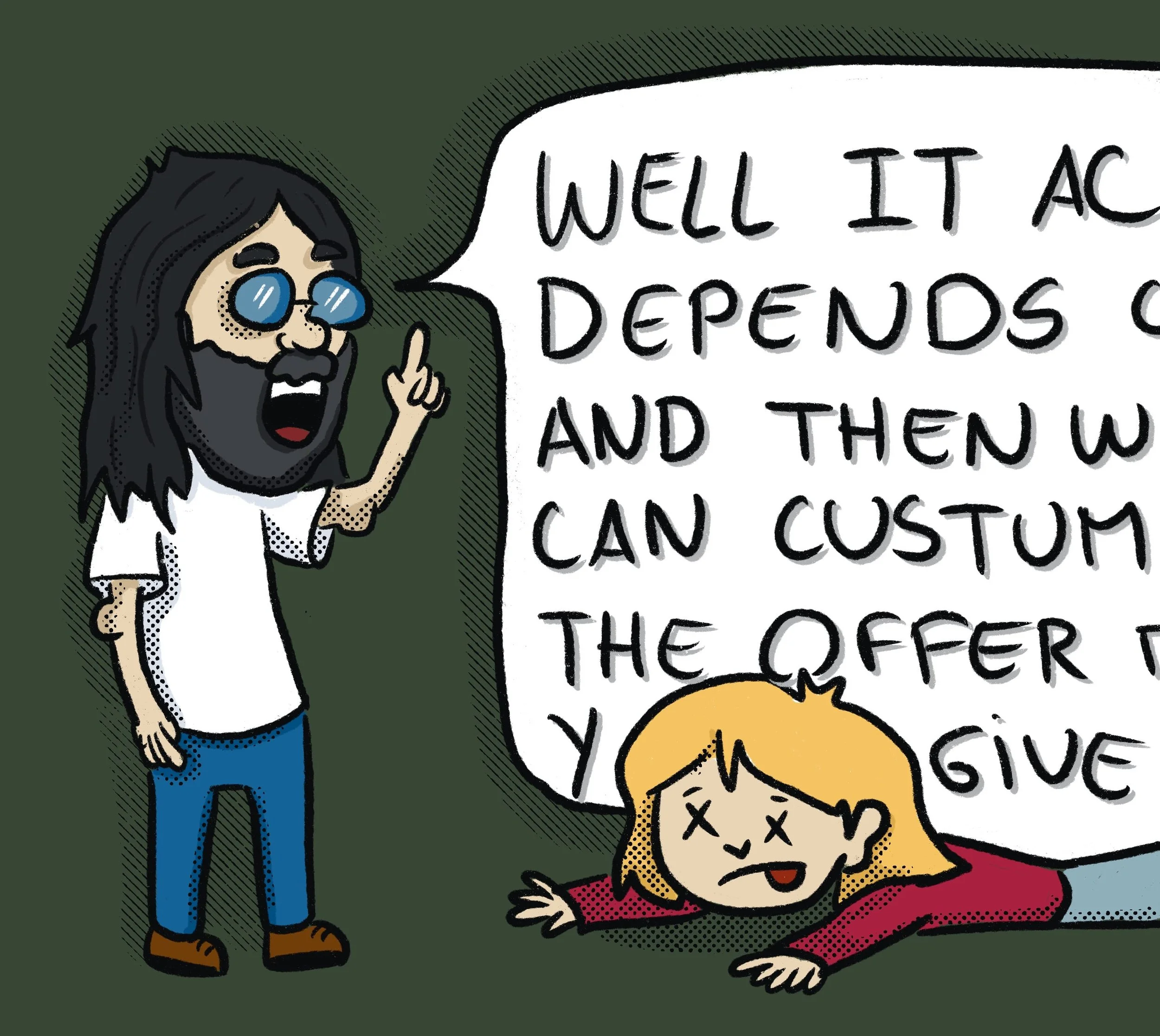
Your "flexibility" is costing you clients
Being "easy to work with" is actually a conversion killer. When you offer a vague, flexible proposal, you aren't being collaborative—you’re giving your client a homework assignment. Discover how to eliminate "ghosting" by replacing open-ended pitches with high-value, prescriptive bridge offers
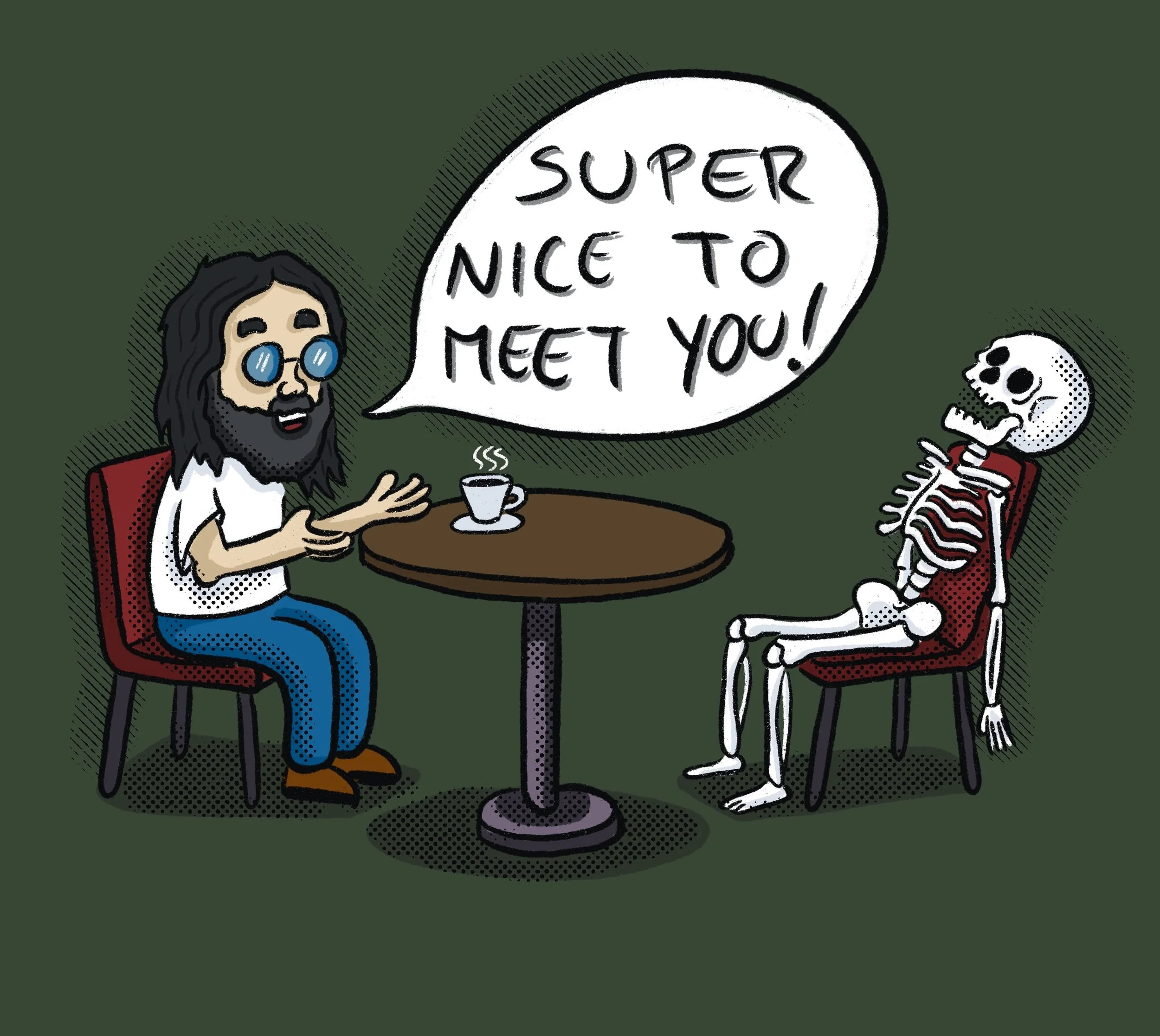
Why your networking is not working
Most coffee chats are just social visits in disguise. If your calendar is full of "connections" but your pipeline is dry, you’re likely stuck in the "Hoping and Praying" model. Learn why rapport is only half the strategy and how to take the lead with a clear next step before the coffee gets cold.
Solo by Design
A biweekly 5-minute newsletter for freelancers and early solopreneurs who want to build a solid, thriving business.
Each issue breaks down the strategy, structure, and emotional drivers behind decisions.
Because independence doesn’t happen by accident.
SUBSCRIBE TO THE NEWSLETTER