If you can't sell it, you can't help them (Copy)
What your silence costs the clients who needed you
You had the conversation with a potential client, and it went well. They have the problem you solve, and you could fix it for them. And then, at the moment when you should say “here’s how I can help,” you don’t.
You say “let me know if you ever want to work together,” and you never follow up. Maybe you send a very generic proposal with a price so low it apologises for itself.
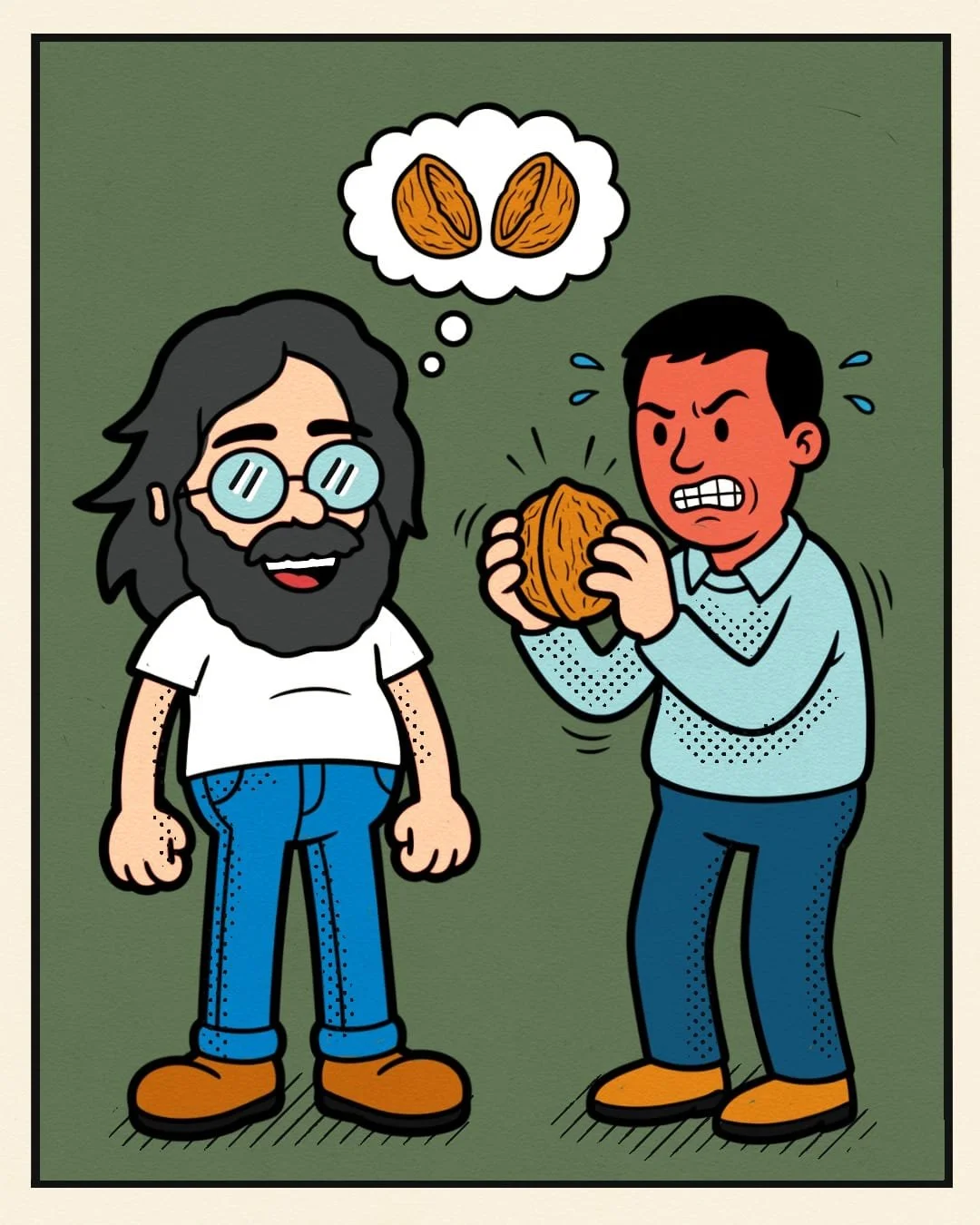
You tell yourself this is integrity, because you are not one of those pushy, salesy people; you’d rather let the work speak for itself and stay clean.
Feels righteous, doesn’t it? Then you watch the person you could have helped disappear, stay stuck with the same problem, and hire someone less good than you who simply dared to sell themselves.
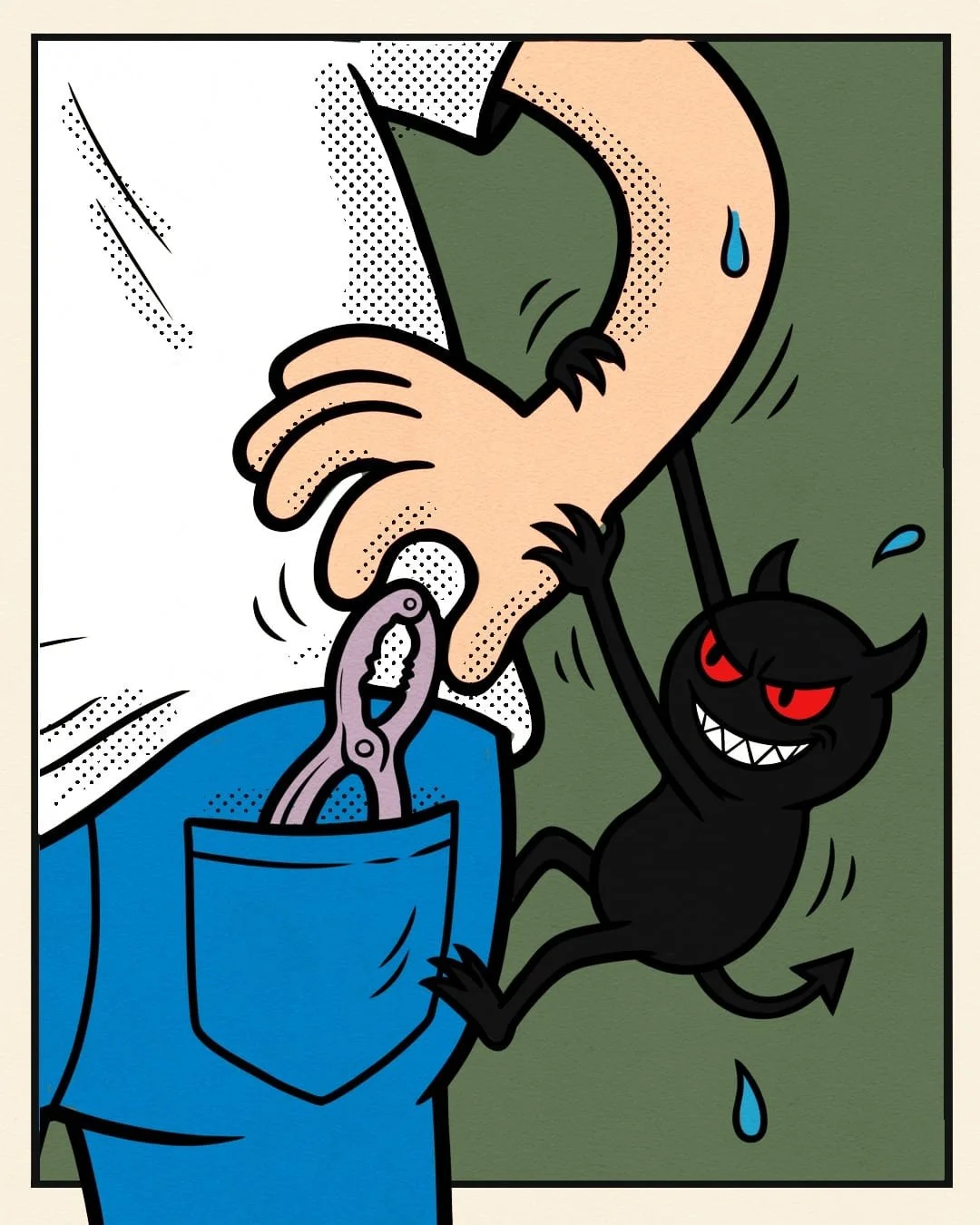
Look, refusing to sell yourself is not protecting your reputation. It is protecting you and your ego. From the fear of rejection. From being laughed at. From the question about your own worth that you would rather not ask. But there’s someone else who also pays the price of your silence: the client who walks out with their problem still unsolved. You kept your hands clean and left your client hanging.
Step back and look at what we covered these last weeks.
First, you stopped hiding in the craft: you saw that getting better at the work was the comfortable internal move, and that the work that actually brings clients is putting yourself out there, and you have been avoiding.
Then you learned that selling does not have to feel like selling: you put down the pitch, got curious, and let the conversations do the work.
Then you stopped talking to a “company” and found the real client: the overworked person on the other end, and the problem keeping them up at night, until you understood it better than they did.
All of those are uncomfortable things to do, but they all prepare you for the moment when a client and an opportunity are in front of you, and instead of shying away, you confidently go ahead and sell yourself.
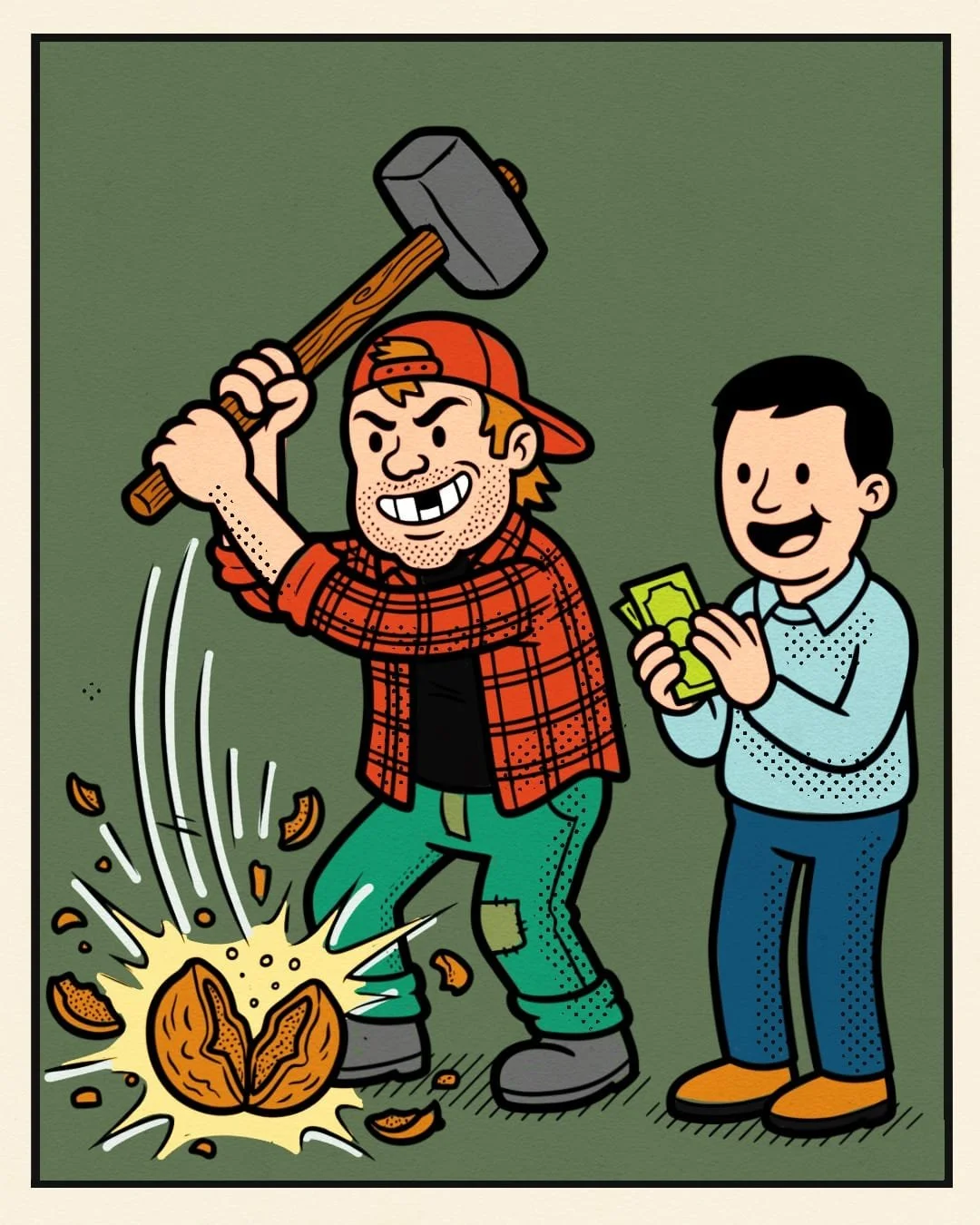
This is the moment that many of us go silent and shut down. The cursor blinks in an empty reply, and you open the proposal and rewrite the same paragraph for the fifth time, reviewing the price once again. A week passes, you’re afraid to sell yourself, aaaaaand the opportunity is gone.I know that feeling.
We’re all terrified of spamming people. But a good share of my own clients arrive after one more email, one more DM, with “Sorry, life happened; I did want to work with you. Let’s do this!” They were just busy; life happens. We’re not saving lives here, and your offer isn’t going to be their priority.
Send the email.Selling, at that point, is the last honest step of helping someone. You look at a person you can help, and you say, plainly, “I can fix this. Here is how, and here is what it costs. Do you want me to do it?”
So if you cannot bring yourself to sell it, be honest about what that means: you cannot help the people you want to help.
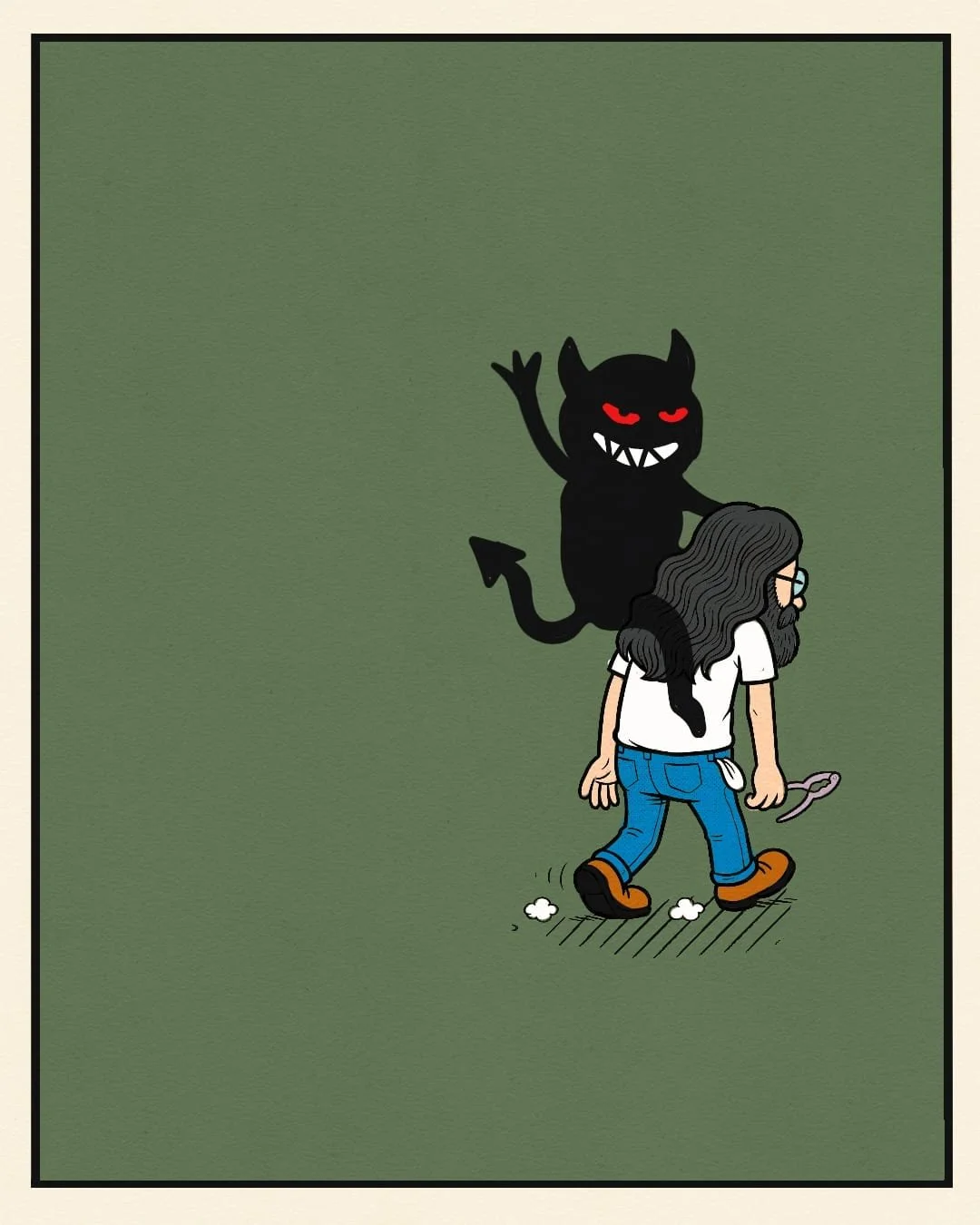
Think about the last warm lead you let go. Yeah, the one you told yourself you were respecting by not chasing.
Be honest about what you were really protecting in that moment: them, or you.
Tell me, I read and reply to all the messages. Rebuilding your offer so you can stand behind it, and finding the nerve to make the ask without flinching, is most of what the Solo Accelerator is for.It’s a room of people doing the same hard thing, so you stop mistaking avoidance for integrity.
If you want to see whether it fits where you are, book a free 45-minute call: go.ricardobrito.meYou did the work to be able to help them.