I stopped apologising for my value
WHY CHARGING PROPERLY IS HARDER THAN DOING THE WORK
One of the strangest parts of running your own business is how quickly confidence disappears the moment you try to charge properly for your work.
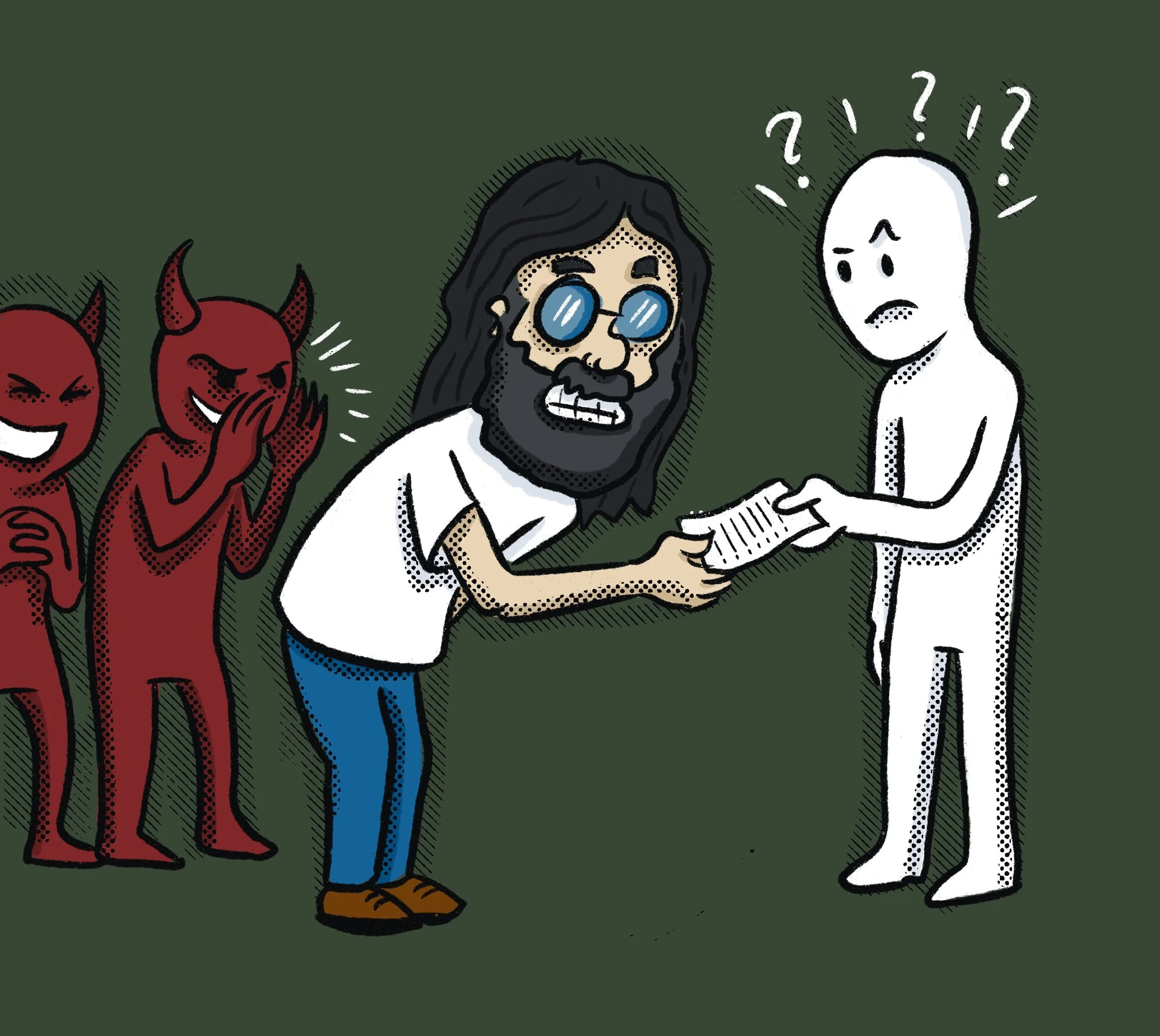
You can spend ten years becoming very good at something and still feel nauseous before sending a proposal with your real price on it. The number that reflects the actual value of the work is also the one that makes you immediately want to explain yourself in three paragraphs underneath it, talk about it in therapy, and be open to discussing.
At this point, to avoid all that discomfort, we start retreating. We soften the language, we lower the number (not-so) slightly. And there goes the confident claim we made about our impact, replaced with something vaguer and more polite. Safer.
Undercharging is financially painful, but psychologically familiar, and familiar feels safe in the short-run. In the long run, it eats your business alive.
Owning your value out loud is the uncomfortable part that most of us struggle with, especially if you built your career around being useful, adaptable, easy to work with. Being the reliable person, who always delivers and never makes a fuss.
Running a business asks for a completely different skill: to stand behind your work publicly, confidently and boldly. To say what it's worth without apologising halfway through the sentence and over justifying. It requires us to stop shrinking every time money enters the conversation.
And that shift is uncomfortable for almost all of us.
A web designer I worked with recently decided to put her prices directly on her website after years of avoiding the conversation entirely. No more “let’s discuss budget” and adjusting herself depending on who was asking. A few weeks later she described the shift like this:
“I came in scattered and unsure. I’m leaving with stable client flow, clearer systems, and the confidence to go after what I’m worth.”
She didn’t become a completely different designer overnight, but she stopped treating her prices like something embarrassing that needed to be hidden until the third call.
Another client, a colour and material consultant, realised she’d been presenting herself more like an employee asking for approval than a business owner solving expensive problems.
“My offering existed in my head as a rich, complex thing, and came out as a monologue.”
A huge number of experts get stuck there. They know their craft deeply, but when they talk about their work, they retreat into explaining instead of owning the outcomes it creates, and what it’s worth.
The shift for her was learning how to speak about outcomes and value without feeling like she was pretending to be some hyper-aggressive sales person she didn’t recognise. And she wasn’t.
And then there was a holistic therapist who’d been undercharging for years while simultaneously burning herself out.
Same therapy, same training, same hours, the same package.

She felt underpriced, and afraid of raising the prices and losing the client base she’d been building for years. When she stopped pricing the activity and started pricing the actual impact clients experienced from it, she restructured the offer, raised her rate from €80 to €180, and still filled every slot.
The common thread underneath all three stories isn’t reinventing themselves or “fake it until you make it.” It was stopping apologising for the value they already created, and finally claiming what was theirs.
You can do it alone, but that shift becomes much easier when you’re surrounded by people going through the same thing.
That’s what the Solo Accelerator is for. A room full of people learning how to stand behind their work properly, price it accordingly, and stop shrinking every time they finally say what they’re actually worth. I'm curious what's holding you back from asking your real value?
Send me your answer, I read and reply to all of them.