Talk to the person, not the company
Companies don't have bad weeks, or budgets, or problems, but the overworked human inside it does
Here's a line from a real offer, lightly disguised:
”I help mission-driven organisations scale their impact through better program design."
Read it back. It sounds like a business; it sounds professional. But to whom does it talk? Can you tell me who would feel represented there?
At first that kind of sentence feels correct, even safe. It's how you're told to write when you sell to companies: polished and a little corporate. So you write to the organisation, to the market.
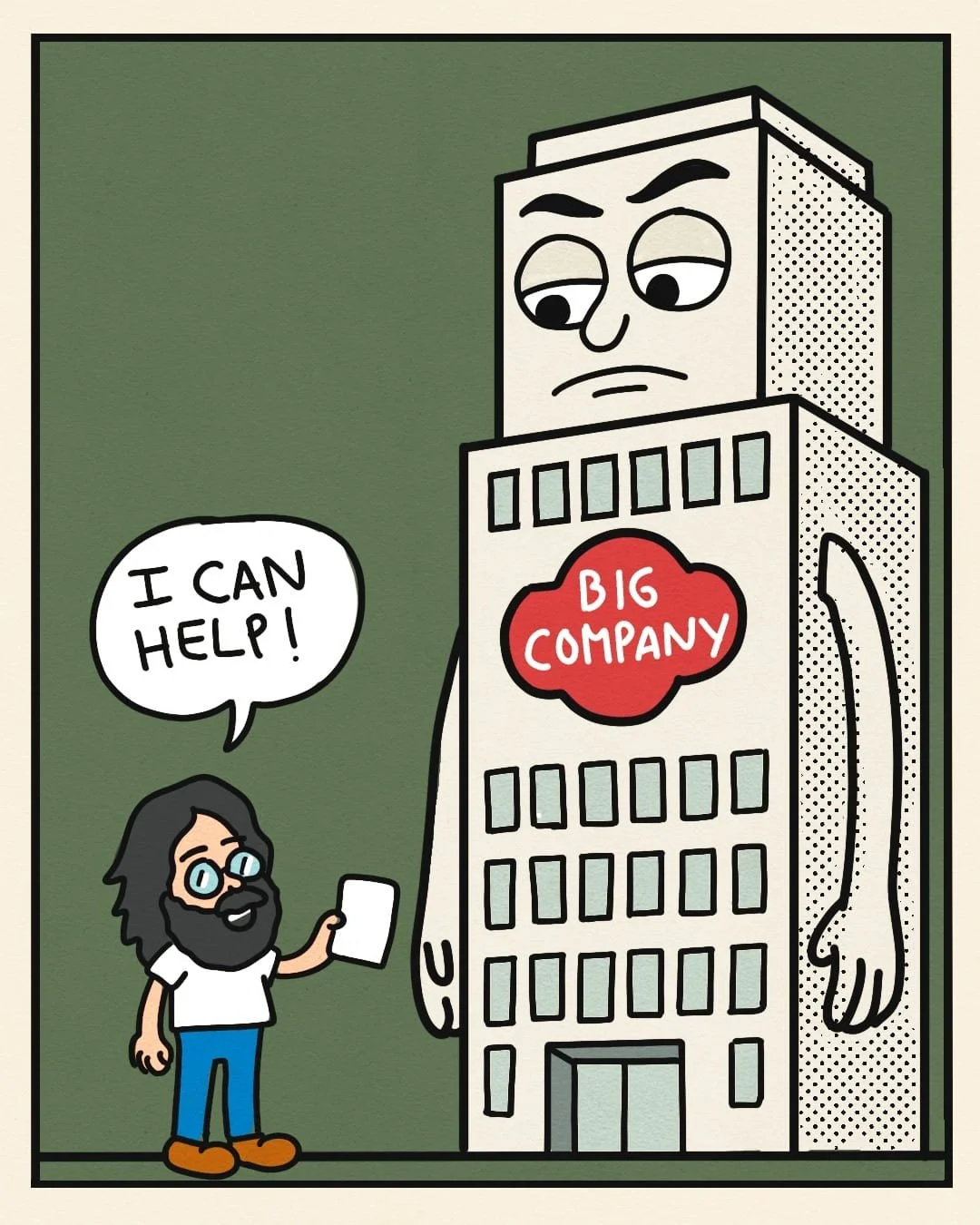
Then you ask yourself: to whom send my reach-out email? Your social media posts get no replies. Eventually you realise why that is happening, and it is almost embarrassingly simple. Companies don't read your message. A tired and stressed person who holds the budget does.
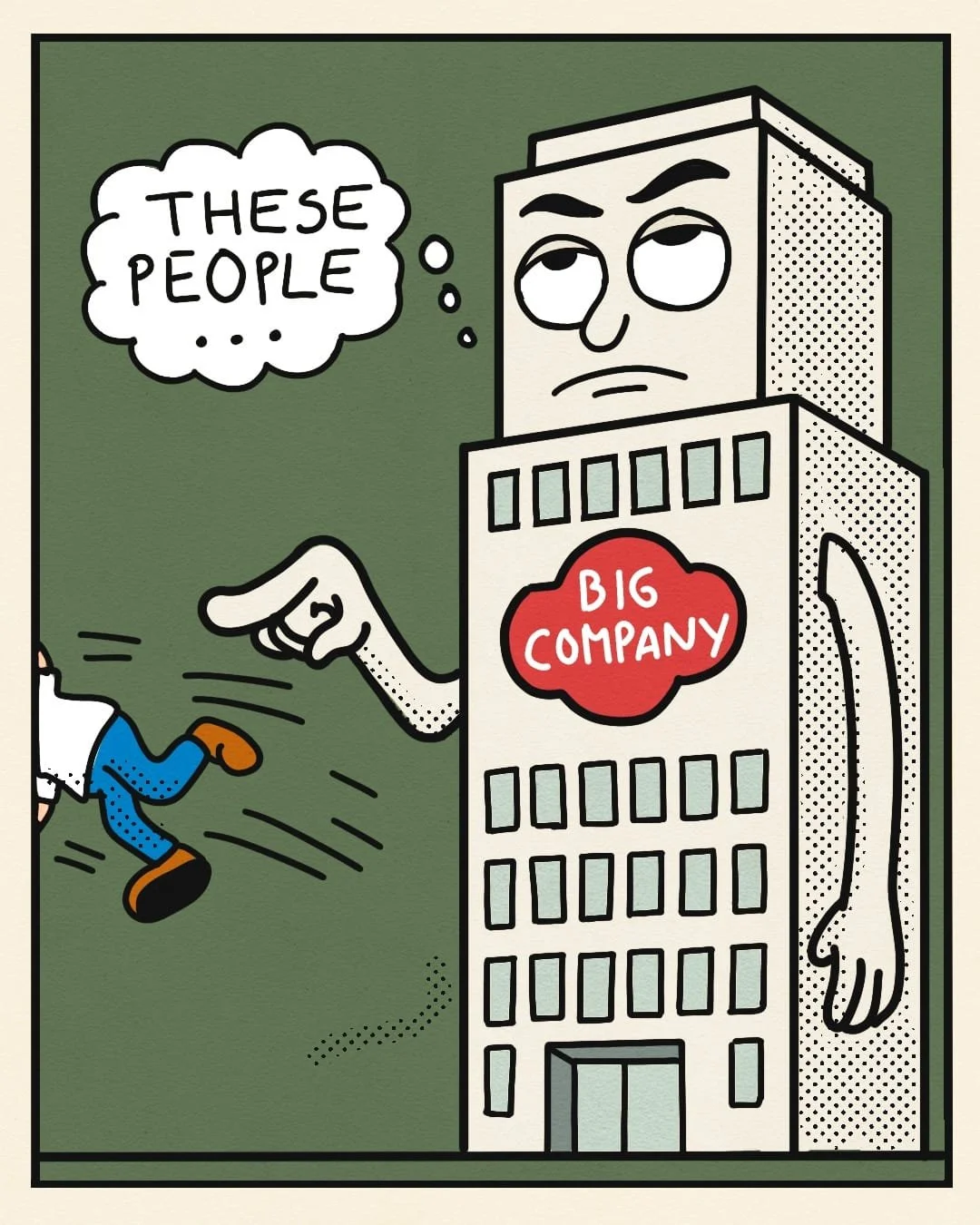
"The company" is an abstraction. It has never had a bad week. It doesn't lie awake worried about a number. The human who needs you does all of that, and they are the one deciding whether to answer you. You have been writing to an org chart, instead of a real person.
Look at this:
Before: "I help mission-driven organisations scale their impact through better program design."
After: "If you're the program lead who is drowning in reporting and hasn't had a real strategy day in months, I get the program back under your control and within budget"
Same skill. Same service. The first talks to a logo. The second talks to a person having a hard Tuesday, and talks about the thing keeping them up. One of them gets deleted, ignored, and the other gets a reply that starts with "how did you know?!"
It works in any field. "I optimise supply-chain resilience for enterprise clients" becomes "if you're the ops manager who gets the 6 am call every time a shipment goes missing, that call is what I make stop." The expertise did not change; the person you are speaking to came into focus.
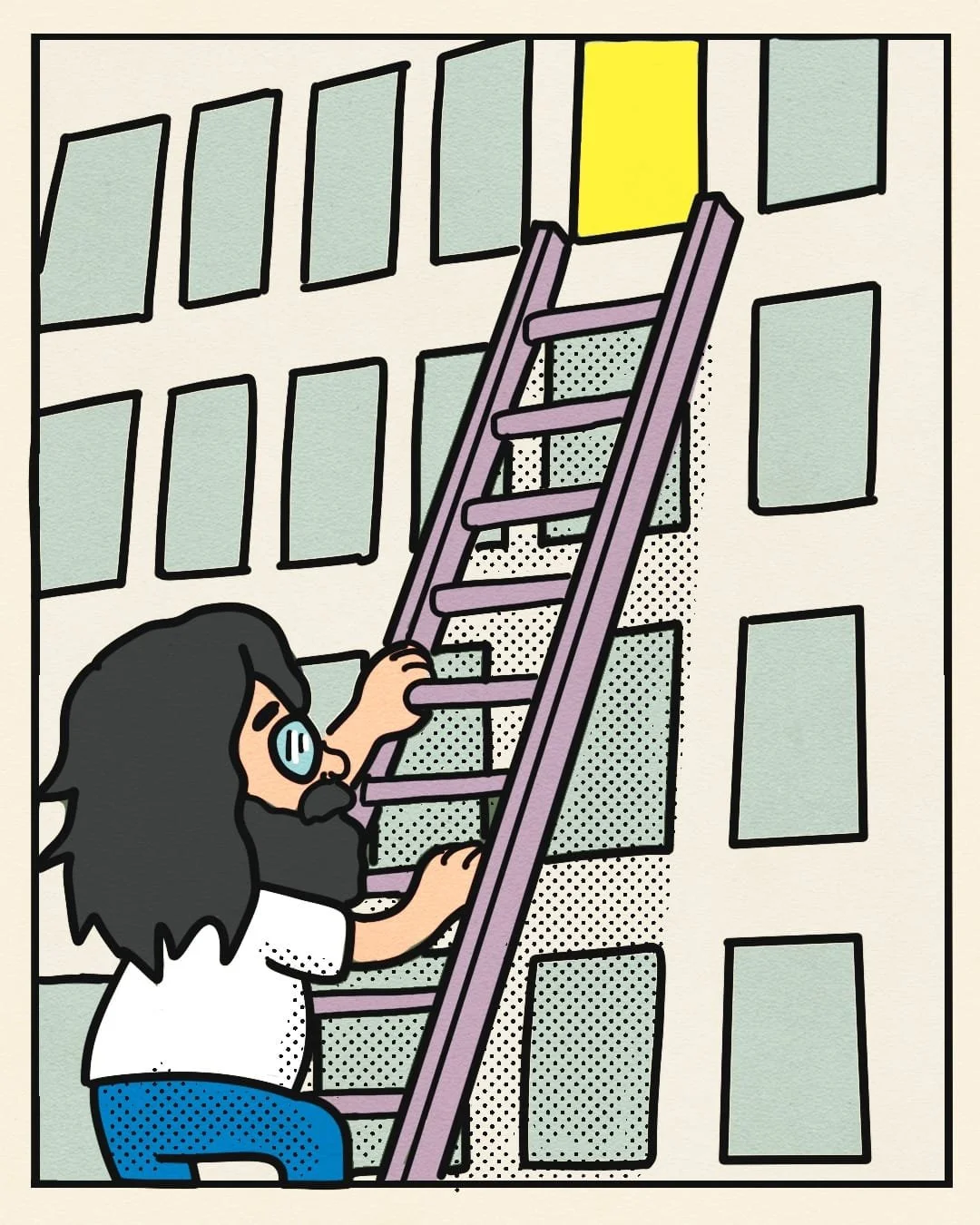
This is where last week's research sprint pays off. All those conversations were not only teaching you what people need but also handing you the person and the exact words they use, so your offer can finally speak to a human instead of a building.
Somewhere inside the company you pitched to, there is one specific, tired person, and the moment your words actually reach them, the thing you have been struggling to sell starts to move on its own.
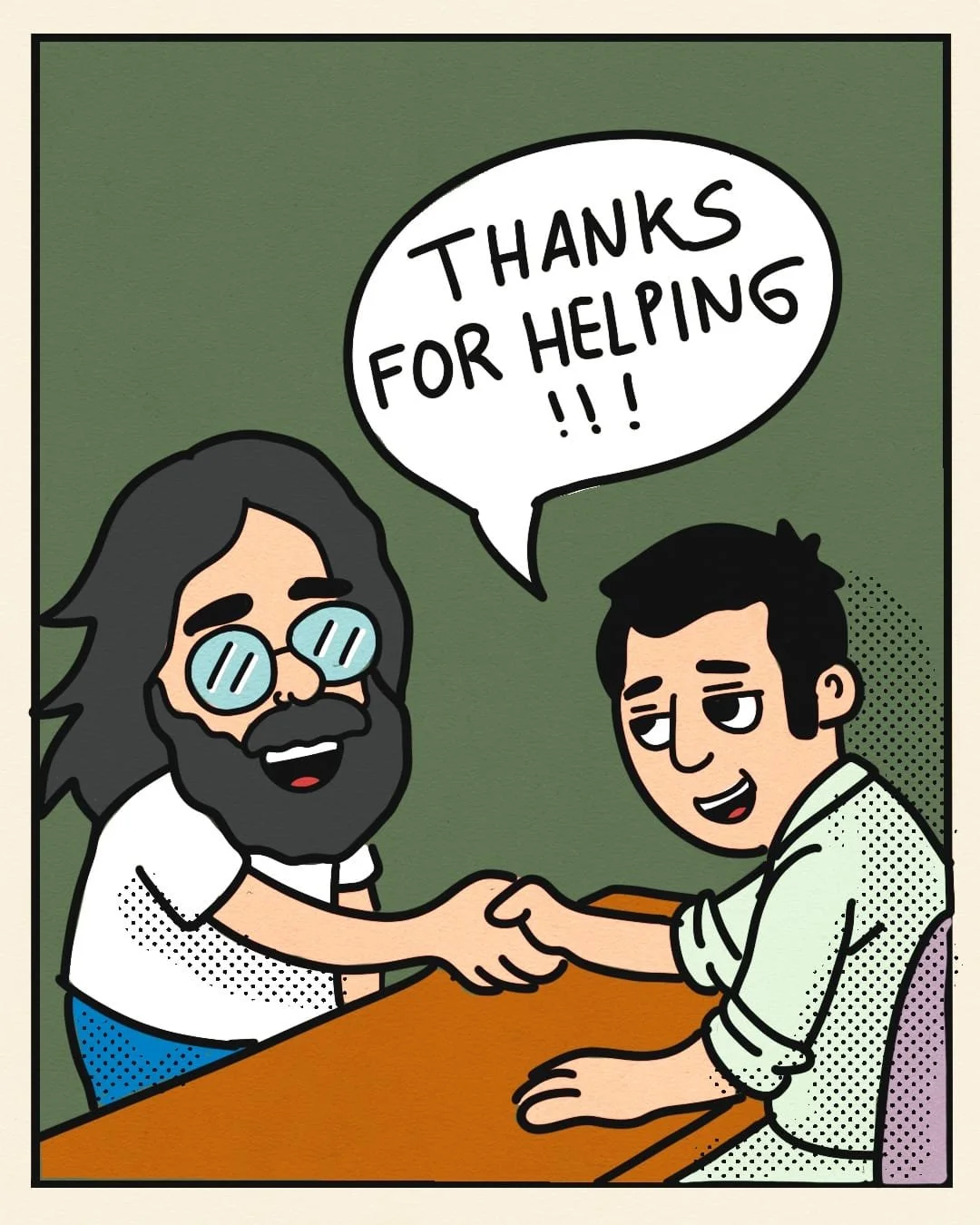
So before you touch your offer again, picture that person. Not the company, the person. What does their worst Tuesday look like, the one where your problem is wrecking their week? If you can see it in detail, you know exactly who you're writing to. If you can't… back to the whiteboard.
Getting your offer to speak to that one human, in their words, and building the whole business around them is what the Solo Accelerator is for. If you want a single session to find your person first, come and join us!
Stop writing to the building. Write to the person inside it: ricardobrito.me/solo-accelerator