AI does your output. Sell the rest
OUTPUT IS FREE NOW, BUT YOUR JUDGEMENT ISN'T
When the machine got faster, most of us tried to get faster too.
More posts, more output. Another tool, another way to ship twice as much in half the time; the world sped up, so you sped up.
I watched a client do exactly this for almost a year. Working hard, trying every new thing, still no revenue. When she asked me for the fastest way to finally feel like it was working, I asked her something else: you spend money on AI tokens every month, are you spending anything on your human tokens?
She kept adding more output for the same price, thinking that would attract more clients, differentiate more. It didn’t.
What happens when you race the machine on output? You are trying to win a race where the machine will always beat you, and running harder only gets you beaten sooner and poorer.
So stop racing there.
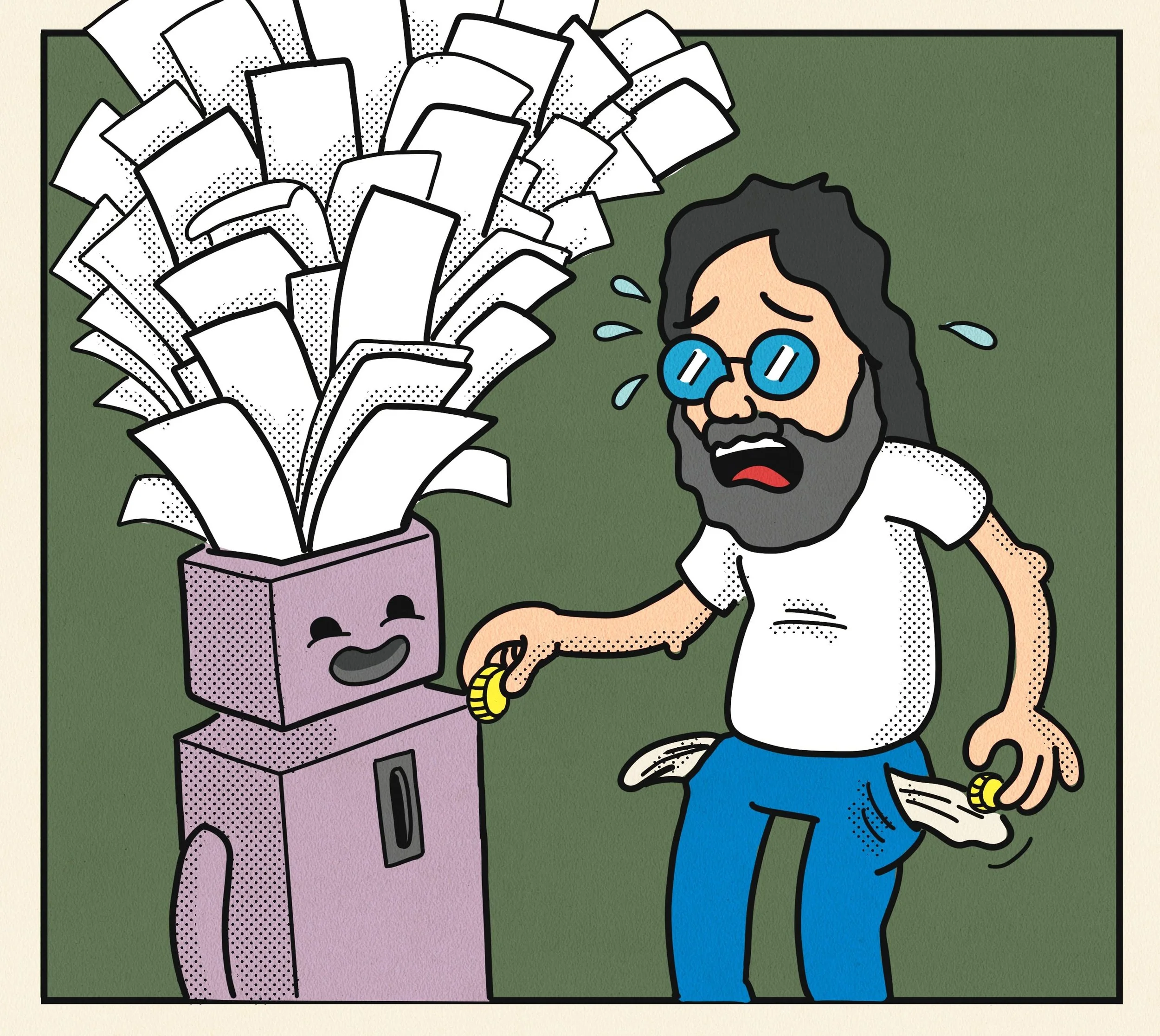
There is a line that separates different parts of your work. Below it sits the making: the rough draft, the ten variations of it, the pixel-perfect output. That belongs to the machine now, for the most part.
Above the line sits the deciding, your judgement, your special sauce: why that angle, which of those drafts is worth sending, and what the client actually needs before they can even say it, and why it fits their world, not the averaged one the machine considers. The machine cannot reach that. Or at least not yet… Terminator anyone?
Now look at what that means for what you actually sell.
If you are a designer, the machine makes the mockups, twenty of them before your coffee is cold. What it cannot do is know which one is right for this business, for the type of product, or see that all twenty missed the point. That judgment is the offer now, not the pixels.
If you consult, the machine writes the deck and lists the options endlessly. What it cannot do is make the call, tell the client the uncomfortable thing they are actually paying you to hear. The deck is the cheap part; what they pay for is the call you make after reading it and tell them what to do.
Same skill, moved to the other side of the line. The words on your offer page have to move up too, or you are advertising the exact thing your client can now get for free.
The old way was to compete below the line, on speed, output amount, and price. That was a fair fight when making things was hard, and people were paying for your craft. It is a losing one now that making things is free. The new game is above the line.
And the line does not sit still. It climbs: first-draft strategy sits above it today and slips below it next year as the machine gets better. So the sorting never ends; you keep moving up, and your judgment has to get better and more intentional. That’s the value you offer.
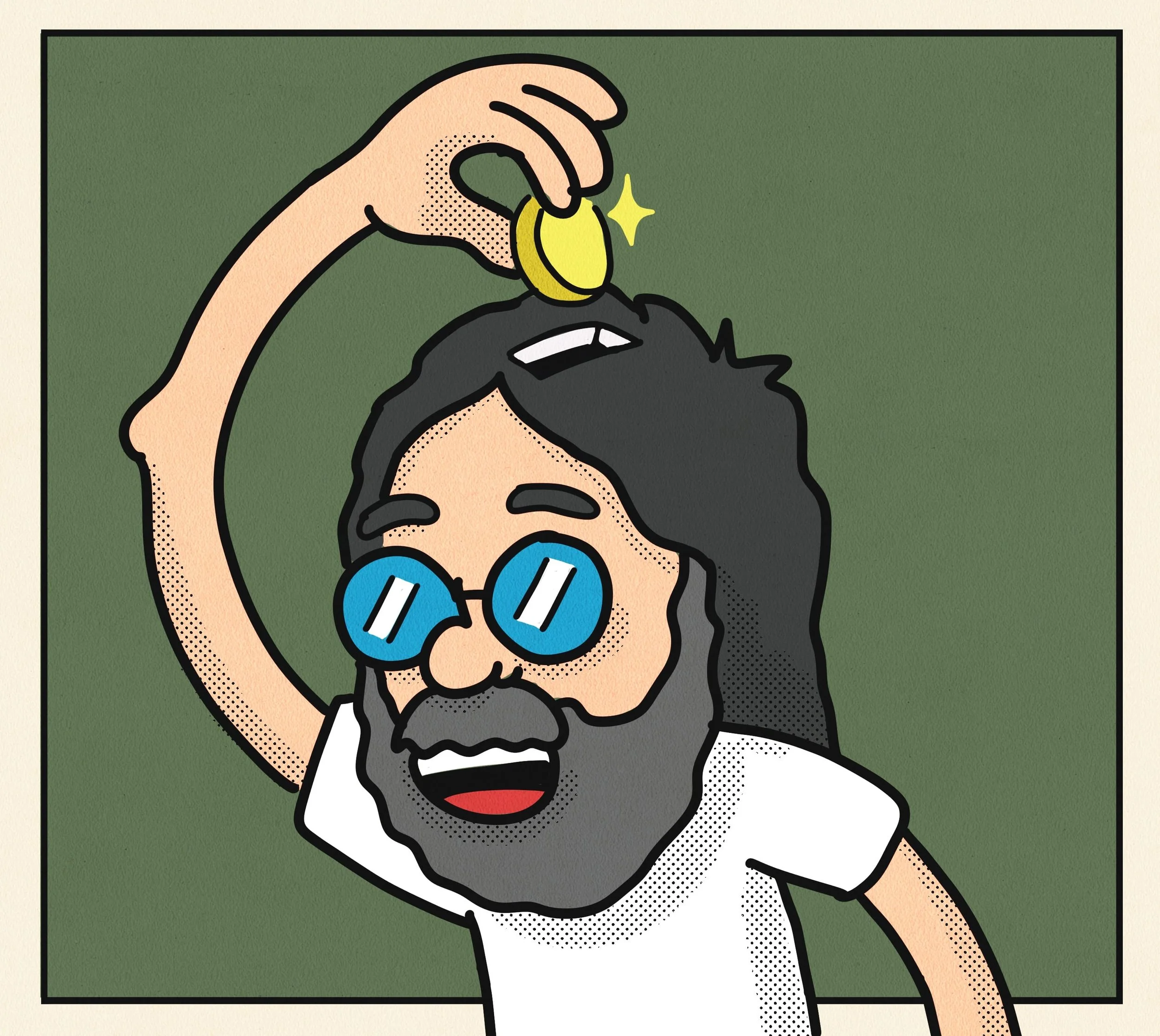
Write down the three things you do most for clients.
For each one, ask a single question: could a decent prompt make a rough version of this today? Every yes is below your line.
Now open your offer page, or your LinkedIn bio, and count how many of the things you actually sell are those yeses.
If too many came back yes, your offer is advertising the machine, the kind of work your client can now get for free. Redesign it around the part only you can do is the hard bit, and it is almost impossible to see clearly from the inside.
That is what the free 45-minute call is for. Bring your yesses, and we will sort which side of the line each one belongs on.