Fewer people showed up but more of them bought
WHAT A HALF-EMPTY ROOM OF THE RIGHT PEOPLE DOES THAT A PACKED ONE NEVER WILL.
I gave a talk recently to a half-empty room. I was the first of three speakers, and I thought that I would have a full room from the start.
I'll be honest, it stings a little. You stand up there counting the empty chairs, asking yourself whether you picked the wrong topic or just didn't market it well enough, even though you have been pushing videos, articles and networking like crazy. Damn, I even had merch!
You do what you have to do, you deliver to the people in front of you regardless the size of the crow. They came to see you, you give them your best. Lo and behold, I got around 10 questions from the crowd at the end that cleary showed me that they were paying attention. Questions people ask when something has landed on a real problem they actually have. 6 of them booked calls that week, one became a client.
The room was small, not that full but everyone who needed to be in it was there.
The first thing we look at on a room is always its size and the amount of people. More heads, more reach, more proof you're winning. We're trained to count the crowd, but so are we trained to count the Impressions, likes, shares, followers, the little numbers that go up. And big number feels like a good result doesn’t it?
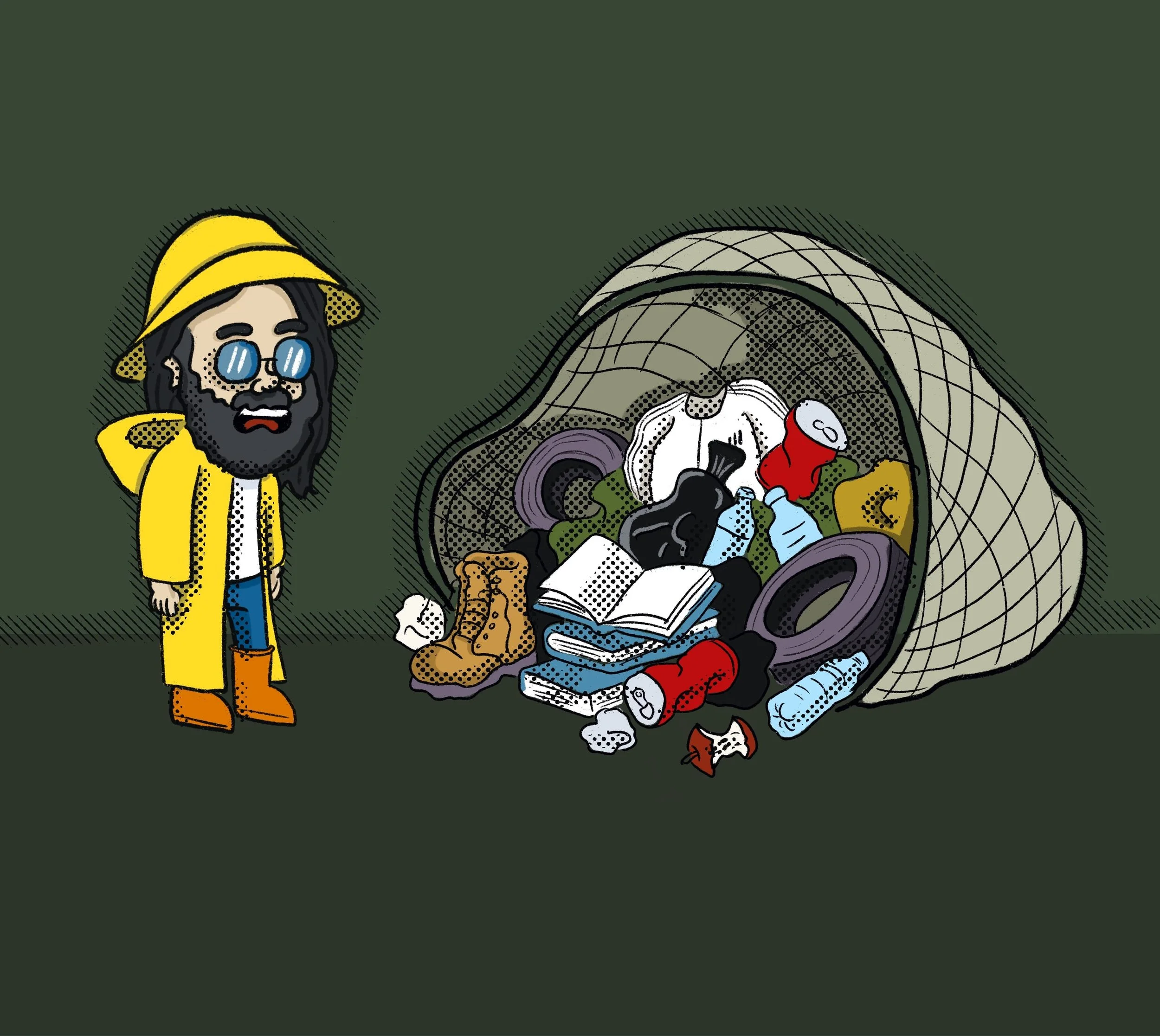
I have been chasing those numbers too. But time and time again I learned the four thousand views brought zero replies, and a single comment on the right person's post brought me a client. The big numbers didn’t bring me clients, although they help people to trust you more.
I changes how I look at things, and for me now the small, concentrated room is simply where the business comes from. Every single time.
A big reach and the right people do not always overlap, and most of us assume they are. A packed wrong room is a vanity metric the claps at the end, and it feels good because it's loud, but converts nothing, because almost no one in it has the problem you solve. We need to stop measuring the wrong thing.
What converts is density. Fewer people, but the right ones, close enough to the problem that your work sounds like an answer and not just “that’s cool”.
Here are three examples of what that looks like in practice:
The first, a coach, started with two clients and no real system, her effort going in every direction at once. The lead that finally turned into business didn't come from posting more or reaching wider. It came from one warm introduction inside a single community she'd actually committed to, opening up the opportunity for a new paid group format.
The second, a consultant, stopped chasing those visibility metrics and started working outreach as a sequence, by only approaching the right people. She sorted the cold contacts from the warm ones, followed up with the warm few. Fewer touchpoints, better aimed. In her words, she learned "to stop taking silence personally, and to move from an expert voice into something closer to a sales voice without feeling like I was performing."
The third, a support-ops consultant, came in unsure where to put his limited time, and admitting that marketing felt like, in her words, "dodgy business I wanted very little to do with." He started concentrating the little time he had on a few things that actually fit him, instead of scattering it across everything at once, just because others were doing it too. His line: "I have more clarity of my priorities and exactly on what to invest my limited time when it comes to my business."
Getting closer to the right few people, and spent the effort there, is what all these people did. They didn’t maximise reach, visibility or double down on things that are not for them.

So stop counting the room, count who's in it. A half-empty room of the right people is so much better than a packed one of the wrong people every single time, and once you've felt that even once, the vanity number loses its power.
Building a business that keeps putting you in small right rooms on purpose, week after week, instead of leaving it to the occasional lucky comment, takes time and patience. That’s why many people don’t get that far, they don’t give it time, and instead keep adopting a new technique or hack.
That's the job of the Solo Accelerator: a way for finding your buyers' rooms and showing up in them intentionally, so the calls come from people who already have the problem. If you're done chasing reach that doesn't pay, start here: ricardobrito.me/solo-accelerator.
Where are your empty rooms now?