Plenty of interest but no money
WHY NICE-TO-HAVE OFFERS STOP SELLING IN A TIGHT MARKET
You've been having promising calls with potential clients. The sales calendar looks healthy, people seem engaged, they ask good questions and often they sound excited about your work.
And yet somehow your bank account keeps moving in the opposite direction.
The weird part about this kind of sales problem is that it's hard to name at first, because from the outside things look like they should be working. So your brain starts producing solutions at industrial scale:
Maybe I need to post more
Go to more events
Do more cold outreach
Fix the website
Learn sales properly
Rewrite the deck again for the fourth time this month
The list is endless, and honestly, sometimes one of those things is the issue. But a lot of the time the problem is that your offer is landing in the wrong category inside the potential client's head.
There are basically two columns: nice-to-have and must-have.
Nice-to-have solutions are for problems clients don't have much urgency fixing. It's not that your potential clients don't see value, sometimes they love the idea! It's just that it's not a critical issue for them to fix. When budgets tighten, "this would help us" loses to "we need to deal with this first."
Must-have is a different category. There's always some kind of immediate pressure, risk or loss attached to it. A deadline. Revenue leaking somewhere. A board of directors asking uncomfortable questions. Some version of "we can't really ignore this anymore, otherwise we are f-ed."
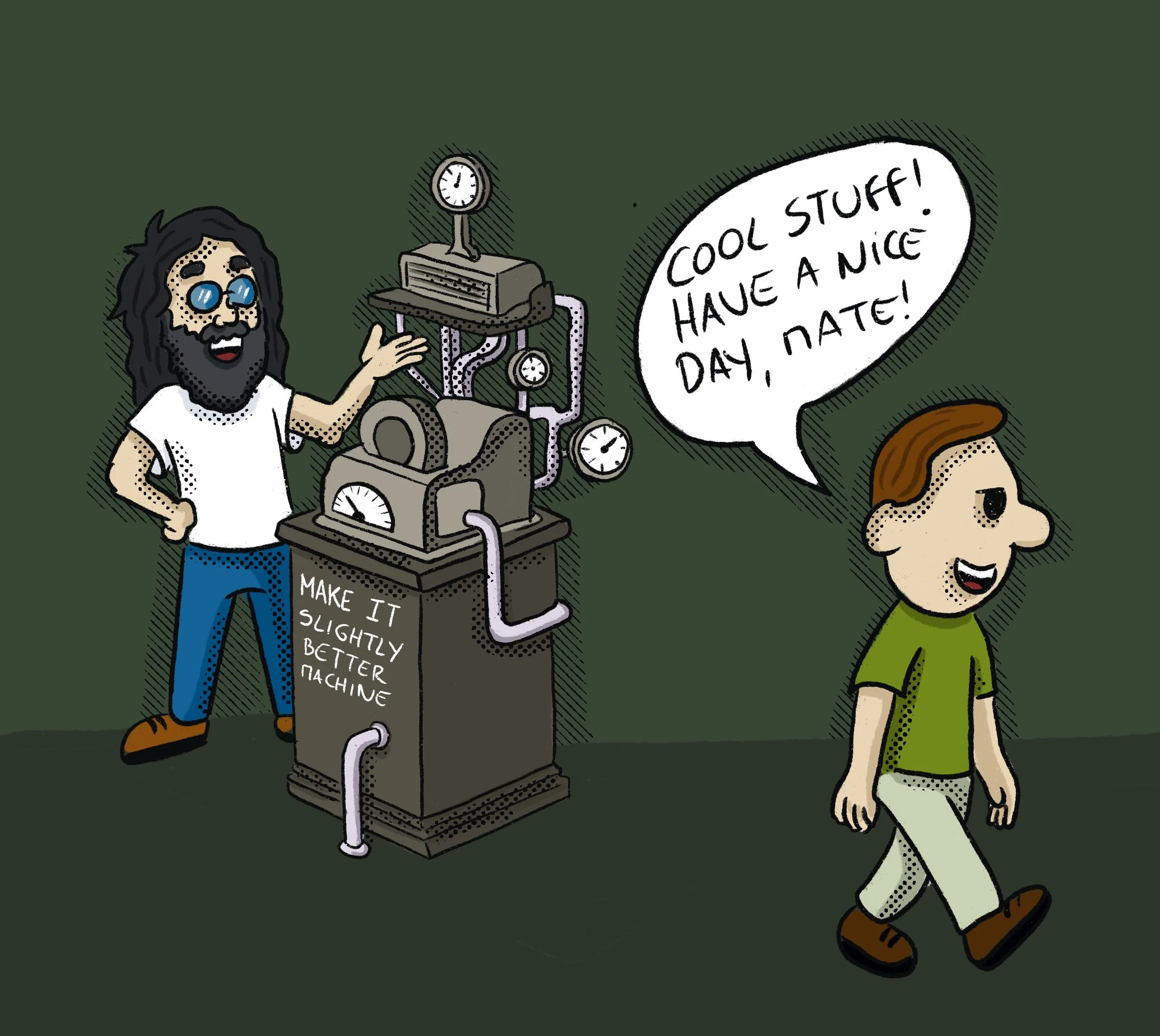
That's where money moves, and where you should move too.
GDPR and accessibility are good examples of this shift. Nobody suddenly became deeply passionate about compliance work. The work itself didn't fundamentally change. The consequence of ignoring it did. Once the fines became painful enough, the same services moved from "probably later" to "we need this now."
That's the important bit. Whether your offer sits in must-have or nice-to-have often has less to do with the quality of the work than with the problem it's attached to.
A copywriter writing "brand storytelling" sits in a very different conversation from a copywriter helping founders close funding rounds. Same core skill but different stakes.
Same thing with consultants, coaches, designers, strategists. Most of us don't necessarily need a completely different skillset or niche. Sometimes we just need to attach the existing one to a problem people can't afford to ignore.
A project management consultant working with NGOs is a good example. "Helping teams stay organised" is nice-to-have. "Helping NGOs prove impact so funding keeps coming in" is a must-have because it's all about survival.

Same expertise, different angle and a completely different sense of urgency. That's why "interesting" is such a dangerous word in sales calls. Interesting sounds positive, but very often it simply means: "I can live without this for now."
And right now especially, tighter markets punish everything in the nice-to-have category. Everybody is trying to stay afloat.
So if you keep hearing "this is really interesting" while your invoices say otherwise, the next move may not be more visibility or more outreach. It might be stepping back and asking a much less comfortable question:
What problem am I actually solving, and how critical is it to my client?
If your honest answer is vague, that's not a small thing. That's the work the free 45-minute clarity call is built for. We pick the offer, run the question on it together, and figure out which category it's actually landing in.
I'm curious now. In which column does your offers sits?
Hit reply, I read every single one.