Nothing breaks if they don't hire you
HOW TO TELL IF YOUR OFFER IS A NICE-TO-HAVE OR A MUST-HAVE
“I’m having quite some sales calls, people love my work, they seem interested but then they don’t convert into a client. What am I doing wrong?!”
You've rewritten the offer page twice this month and the copy is cleaner now, the promise sounds bigger, bolder and straight forward. The case study got refreshed last week, and your LinkedIn profile finally looks like someone who definitely owns a ring light and has strong opinions about personal branding. Why the hell are people not buying?
And when that keeps happening, most of us reach for the obvious explanations. Maybe the pricing is wrong. Maybe the website isn't convincing enough. Maybe the offer needs to be packaged differently. Maybe the sales process needs work. Maybe I should promise more outcomes and throw in a few extra deliverables for free while I'm at it.
Those fixes assume the problem in the way you're presenting the offer, and sometimes it is. But there’s another place where your offer might be falling short of value.
One of the most useful questions I've found for diagnosing this is very simple:
What happens if they don't hire you?
Don’t think about what they gain if they work with you, or the bigger transformation your work brings and all the benefits and upsides. What actually happens if they decide to do nothing? What are the consequences for your client?
Because that's where things get interesting. Most service providers can talk for twenty minutes about the benefits of their work. Ask the same person what happens if the client doesn't buy, and suddenly the answers become much softer and wishy-washy.
“Oh, they miss an opportunity to get clarity.”
"They stay where they are, and don’t become more efficient“
"They don't grow as fast."
Which sounds reasonable until you realise that nobody urgently buys "faster growth someday”, gaining clarity on a topic that’s not critical or becoming more efficient when business as usual is working, even if not optimally. People buy when something they care about is under threat: revenue, funding, reputation, a launch, a promotion, a relationship with an important client. Something that becomes painful if ignored for too long, something existential.
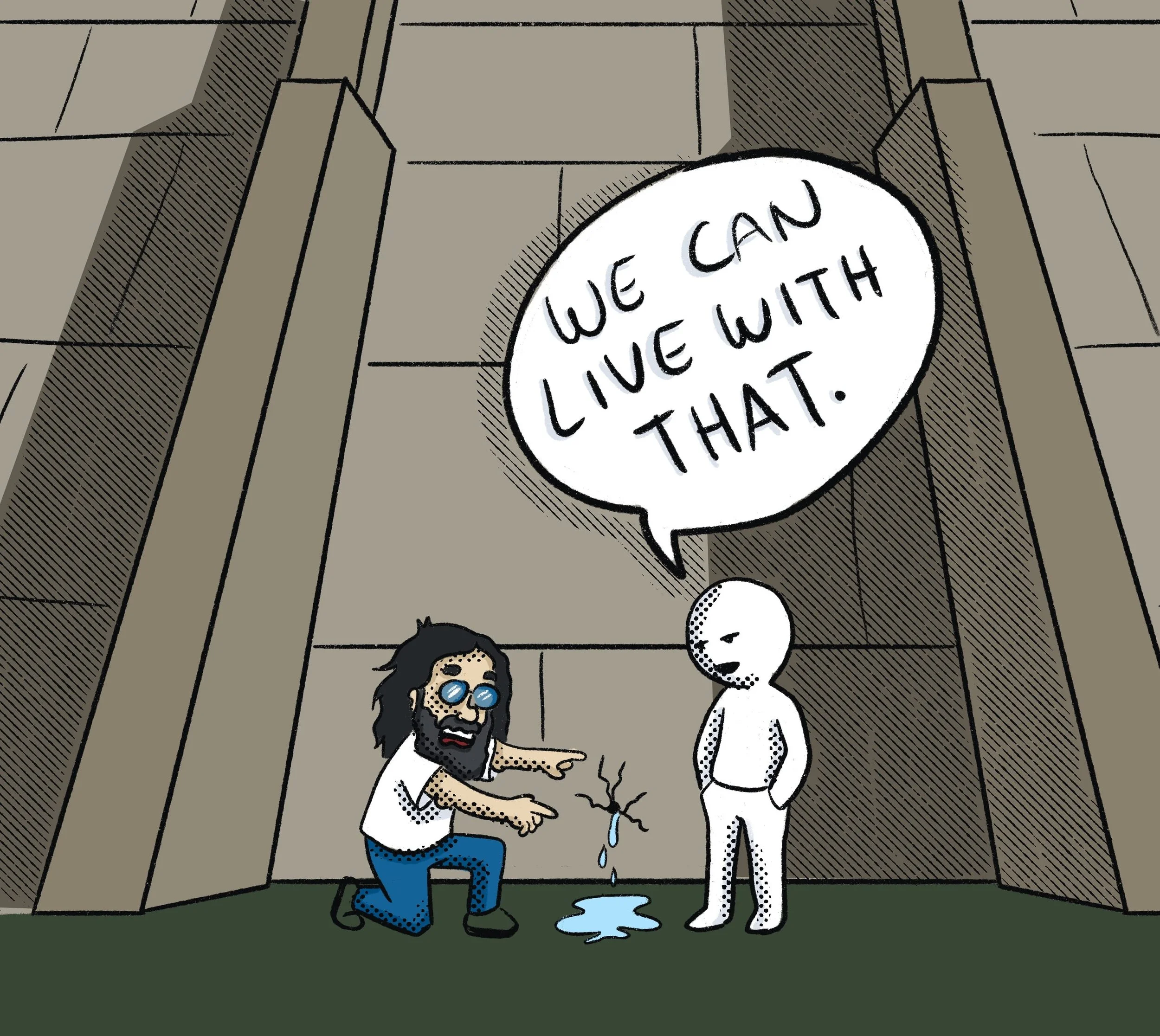
A UX researcher is a good example of this.
Take the exact same six-week research project and put it in front of a product team that's about to launch a major feature. Suddenly the work carries weight. If they get customer behaviour wrong, they may spend the next quarter trying to explain disappearing conversions and declining revenue.
Now take the exact same six-week research package and sell it to a design lead who thinks it would be useful to understand users a bit better this year.
Same researcher, with the same process, similar deliverables but the client has a completely different urgency. The first buyer needs an answer soon, they might lose their reputation if this goes wrong. The second buyer likes the idea, it’s kinda useful but not mission critical.
And that's a distinction that matters far more than most of us solopreneurs realise.
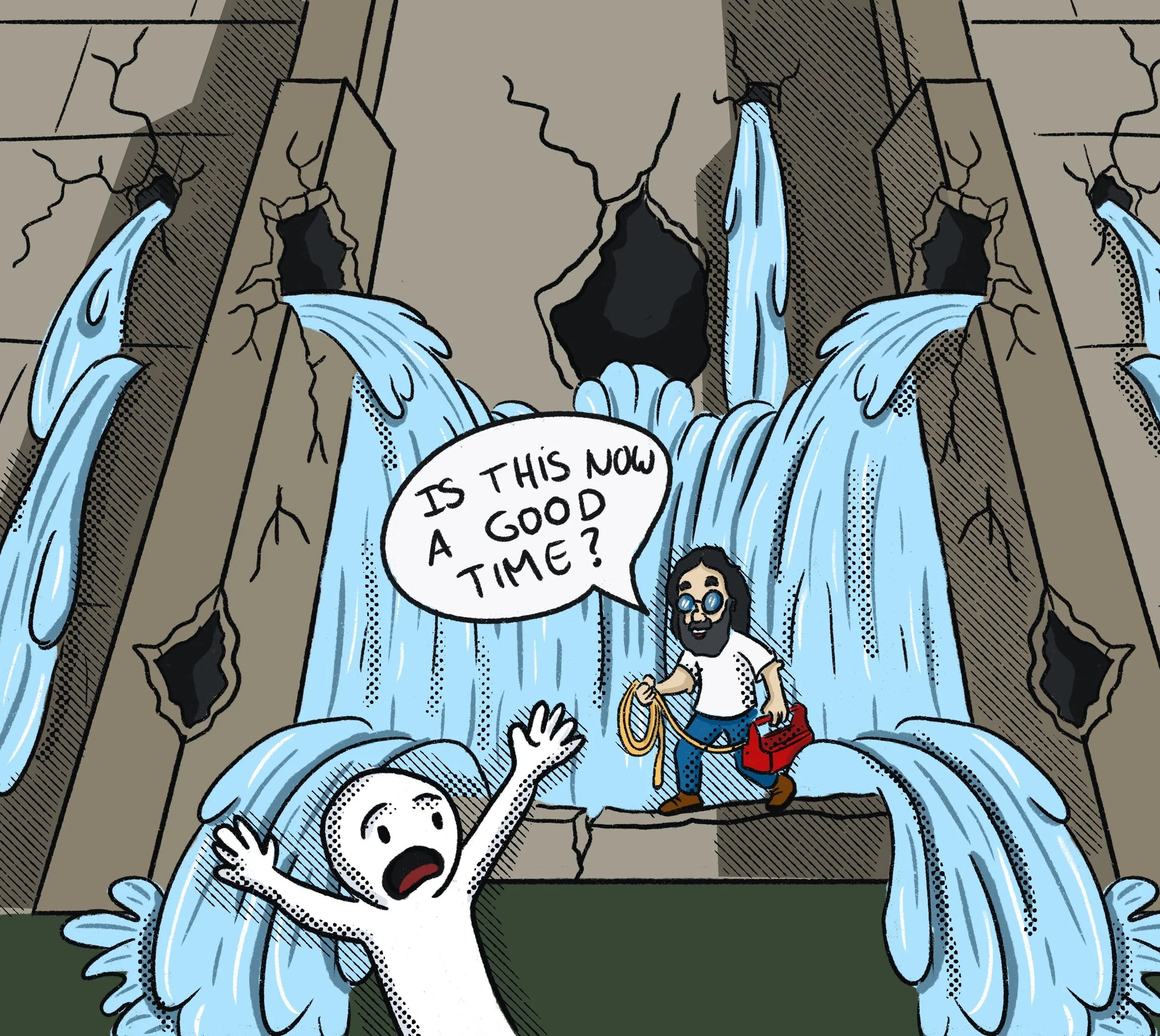
What I've noticed over the last year is that many solopreneurs spend months improving how they talk about an offer that simply isn't attached to anything urgent in the buyer's world. They tweak the messaging, redesign the website, rewrite the positioning statement, refresh the visuals, and convince themselves the next version will finally be the one that converts. But it doesn’t.
So this week, take a look at your main offers and ask yourself a slightly uncomfortable question:
If they don't hire me, what actually happens?
If the answer feels vague, optimistic, or mostly focused on missed upside rather than real critical consequences, there's a good chance the problem isn't visibility, persuasion, or marketing. Your are solving a problem that no one wants a solution for, or at least right now. If your buyer doesn't feel enough pressure around the problem you're solving, very hardly they will turn into a client.
Tell me what you find out, I reply to all the messages.