Dry seasons and what to do with them instead of panicking
For my first two years in business, every August I’d sit at my desk and ask myself the same question: what the heck am I doing wrong?
I was getting no new clients and couldn’t figure out why. I was posting, talking to people, following up, showing up even more, and still, nothing.
Naturally, I decided the problem was me, something in my offer, my message, my price, my pitch; I just couldn’t figure out what. So I kept changing things out of desperation.
It took me a while to see that my business has seasons, and August is a dry one. People on holiday don’t want to rethink their business at the beach. In December, people are wrapping up the year, closing projects, and getting ready for Christmas, not starting something new after a tiresome year.
Bring the schnapps! It’s time to forget about the world for a second!
Dry seasons are not only about holidays, but also about how my clients experience the problem I solve throughout the year. When people come back from a break, after the summer or the new year, they look at their business with fresh eyes and think, “This can’t go on like this; something has to change!” That’s when they look for help. It’s not like in December, the same problem isn’t there, but it isn’t at the top of the priority list.
To make it more complex, there’s the sales cycle, AKA how long clients need to buy from you.
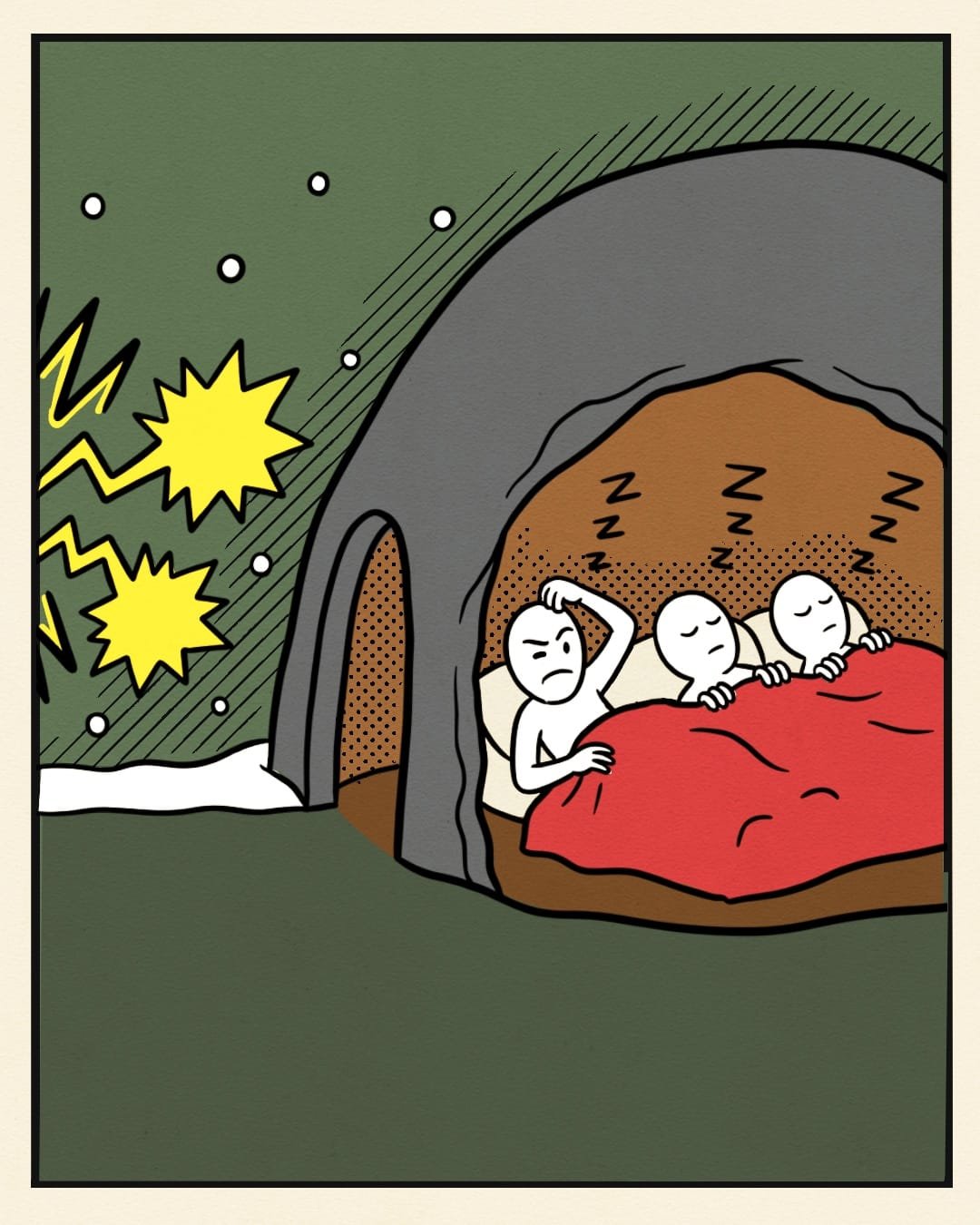
Someone might read this newsletter for months, see a few posts, come to a webinar, and only book a call when the timing is right for them - in a few months. Don’t take a dry season as a sign that nobody’s coming, because they might be on their way.
Your seasons are probably different from mine. A wedding photographer’s dry seasons aren’t an accountant’s, and someone who sells to schools lives by the school calendar. But we all have seasons, and a sales cycle, whether you’ve mapped them or not.
Particularly, this is the time of year when I see a lot of solopreneurs panic. Autumn was slower than they hoped; the year is almost over. So they push: discounts, cold pitches, more posts, “last chance” offers. It’s the reward machine one last time: when we feel behind, we reach for the quick-win effort regardless of the results.
Dry seasons are the worst time to push sales, and one of the best to prepare.
Two members of the Solo Accelerator came to office hours last week feeling bad that they were not pushing enough and felt behind in their sales efforts.
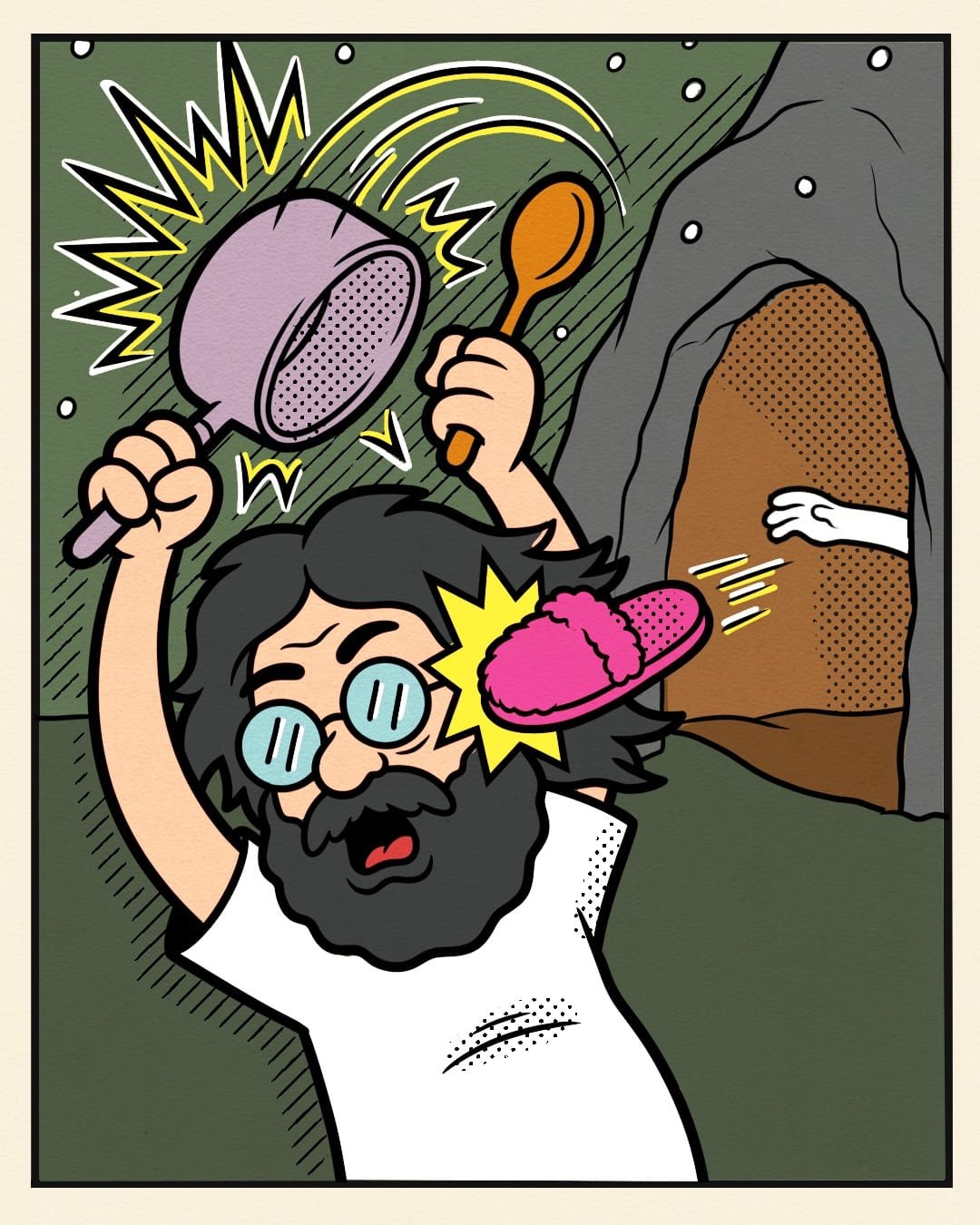
“We go into December, and I might be a bit behind my plan. I feel bad for not doing more outreach right now," one said. Another said, "I don’t think anyone wants to start something new. I get no replies!”
One feels the pressure of not doing enough when everyone is screaming about their promos; the other one is facing radio silence because clients are not in the mindset of engaging with anything new right now. Pushing harder will not help either of them.
So we turned December into a prep month: optimize the outdated LinkedIn profile, create a prioritised contact list of leads, draft all the messages to send in early January, and strategise, produce, and schedule all the marketing for February and March paid workshops.
Could this work be done in January? Could we just push push push now to get some money in? Yes to both. But would that be a smart decision during a dry season? Probably not. Both can prepare now and start January with a bang.
So what do you do during a dry season, if not push sales harder?
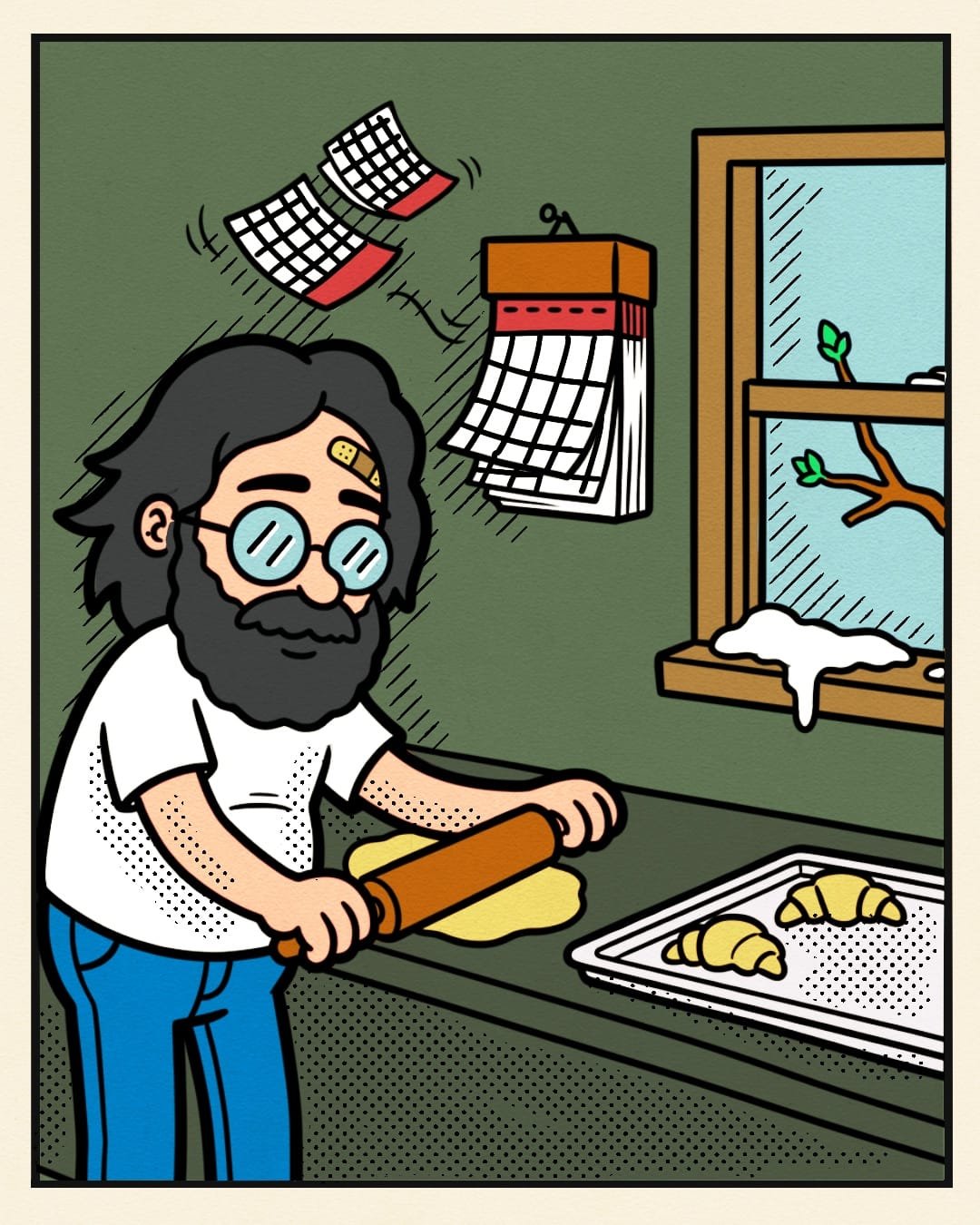
Here’s what I do now, and what I suggest to my clients:
Prepare for the busy season. The contact list, the messages, the page that needs updating. When people come back from the break, you’re ready the same week, not a month later.
Keep conversations warm, without an ask. Check in with past clients and the people who said: “maybe later.” Dry seasons are when people actually have time to talk, and those conversations often come back as clients when the season turns.
Look back before you plan forward. When did your clients come in this year, what brought them, and what didn’t work? It’s the cheapest strategy work you’ll ever do.
Have the conversations you keep postponing. The client you meant to ask for a testimonial, the peer you wanted to collaborate with, the referral partner you never followed up with.
Rest on purpose. Dry seasons are also great for recovery and rest.
It might not feel like you are selling enough; it’s true, but all of it contributes to how your next busy season is going to be.
What makes this hard is doing it alone and going through this phase all by yourself. On your own, every dry season feels harder than it should.
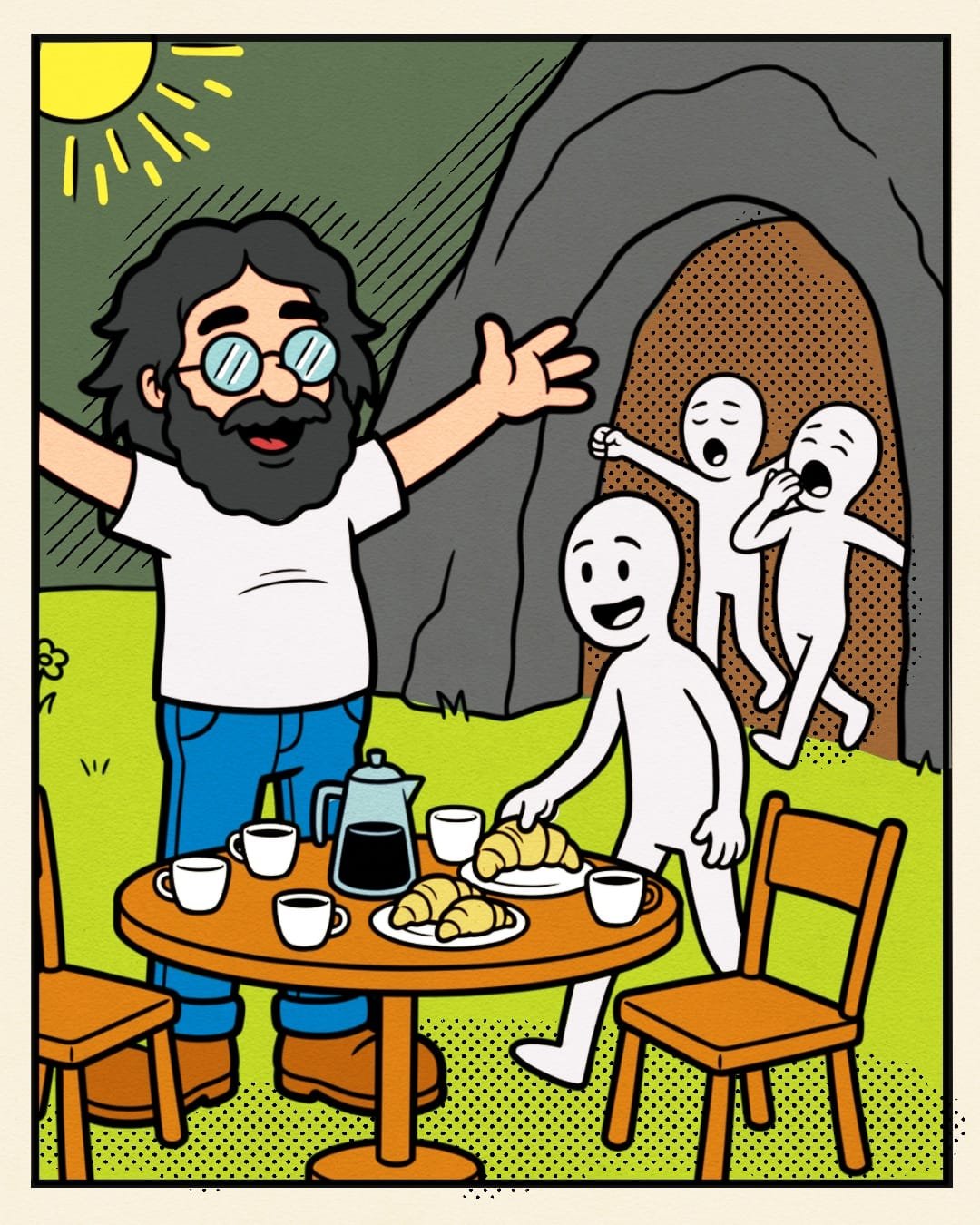
That’s why I built the Solo Accelerator the way I did. Every member starts with a 90-day plan we build together, and then there are office hours and a group of people going through the same seasons. So when you hit a dry season, someone can tell you whether it’s just the season or a real problem, and what to do with the time.
Think back over the last year or two and answer three questions:
When do your dry seasons hit? Not when you think they should, but when they actually did. If you’re not sure, look at the months your last clients bought, and see where the gaps are.
What did you do the last time it happened? Did you push, discount, rebuild something, or take it personally?
And what could you do instead this time? Pick one thing from the list above you will do instead for the next dry season.
Let me know what you will do differently! I reply to every email I get.
Thanks for reading!
Ricardo