The work that keeps your business alive pays out later and that's why you keep skipping it
What did you count as a win last week?
If you're like most solopreneurs I talk to, the list looks something like this: finished the new landing page, posted three times, tried that new tool, reworked the offer page, built yet another agent. Basically, things you can point to that look done.
I know that list well, because it's mine too. This year I've spent a lot of time trying new marketing techniques and content experiments, and I built AI systems for that too. Everything I did paid out immediately: a brand new agent, a new format for posting, a shiny landing page, you name it. It all felt very productive!
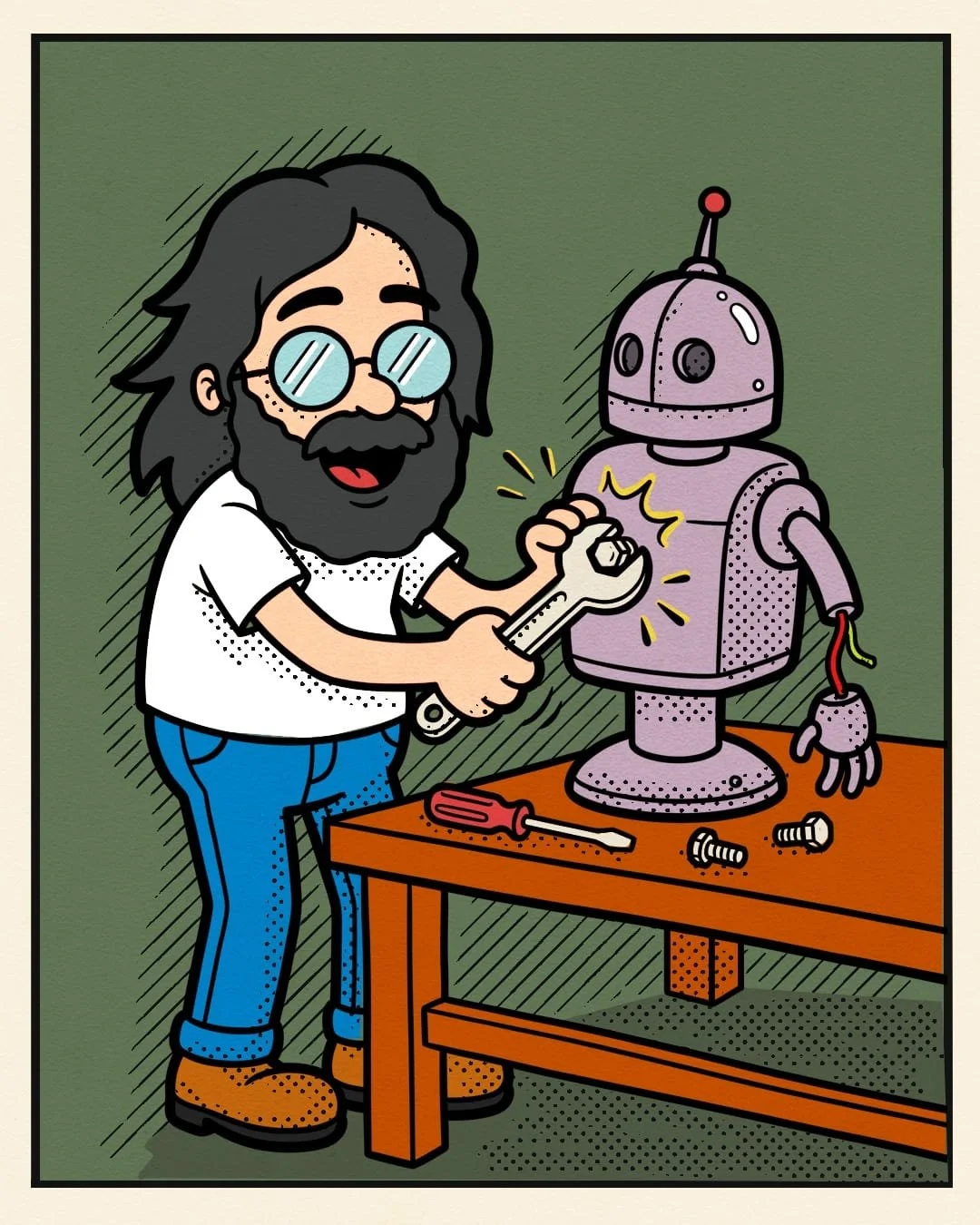
Enter the reward machine. There's work that pays out on the spot: you get a "done," you get likes, you get the excitement of something new. And then there's work that pays you nothing that day: sending an invoice, yet another boring follow-up email, a conversation with a new contact on LinkedIn, writing down what a client said after a call. Nobody has ever liked my invoices. None of it puts money in the bank today.
So week after week, your time drifts toward the work that pays out today. You get that little kick of something done, you pat yourself on the back, and you push aside the tasks that feel dull.
Like rats in a lab experiment that get sugar water every time they push a button, you get hooked, and your business ends up full of sugar and starving at the same time.
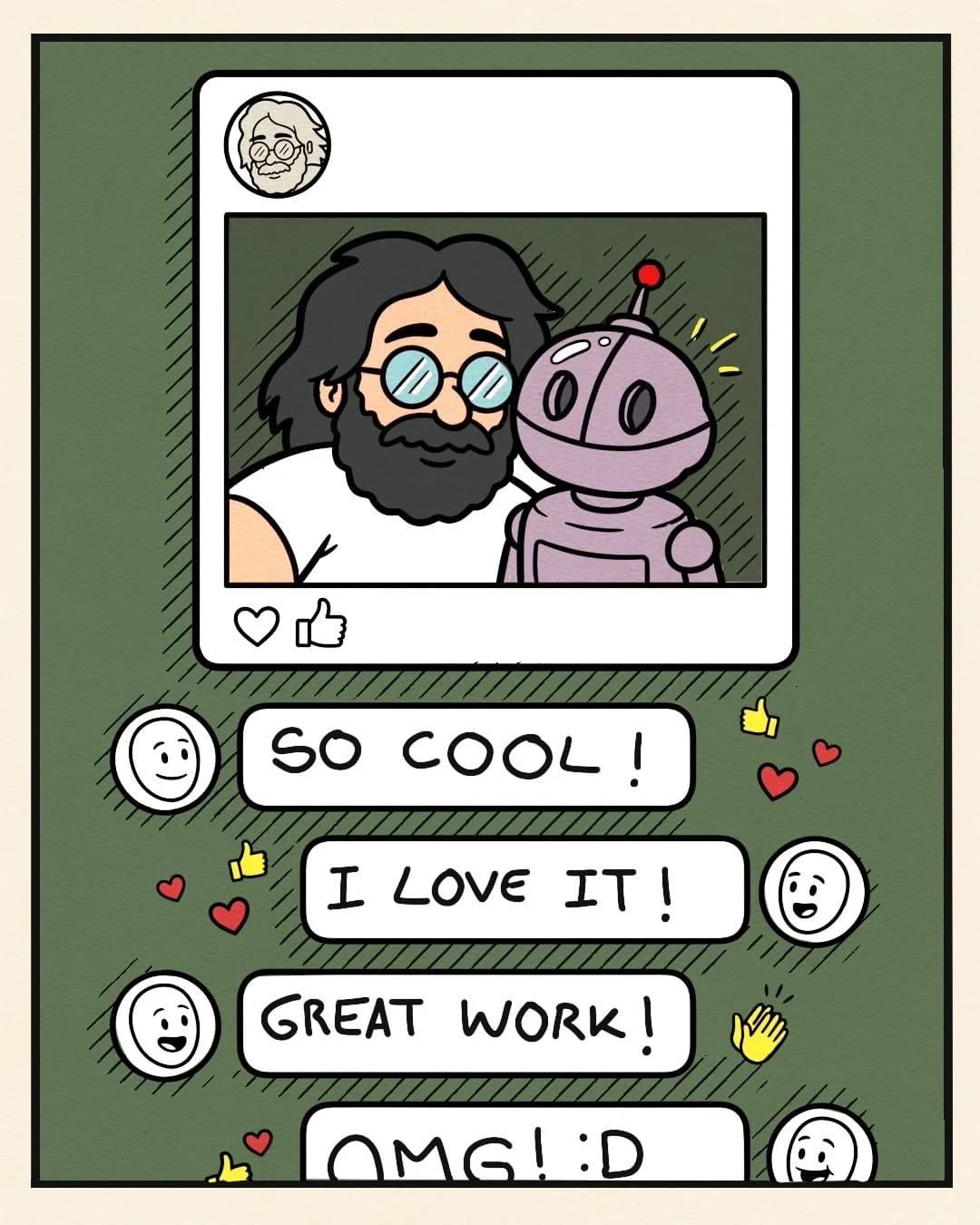
More people are finding me through my content now than in the past two or three years, and when I look at why, none of the systems I built, the formats or the scheduling hacks are the reason. It's actually something that gives me zero reward when I do it: after every client call, sales call and office hours session, I write down what people said, in their words, and map out their issues and what worked for them.
Believe me, for an ADHD, dopamine-hungry brain like mine, that's like sticking needles in my eyes on a cold day. But as the weeks go by, I go back through those notes, and that's where my ideas for content come from, and people relate to them. When several clients say "I hate selling," it becomes a thread for a month of newsletters.
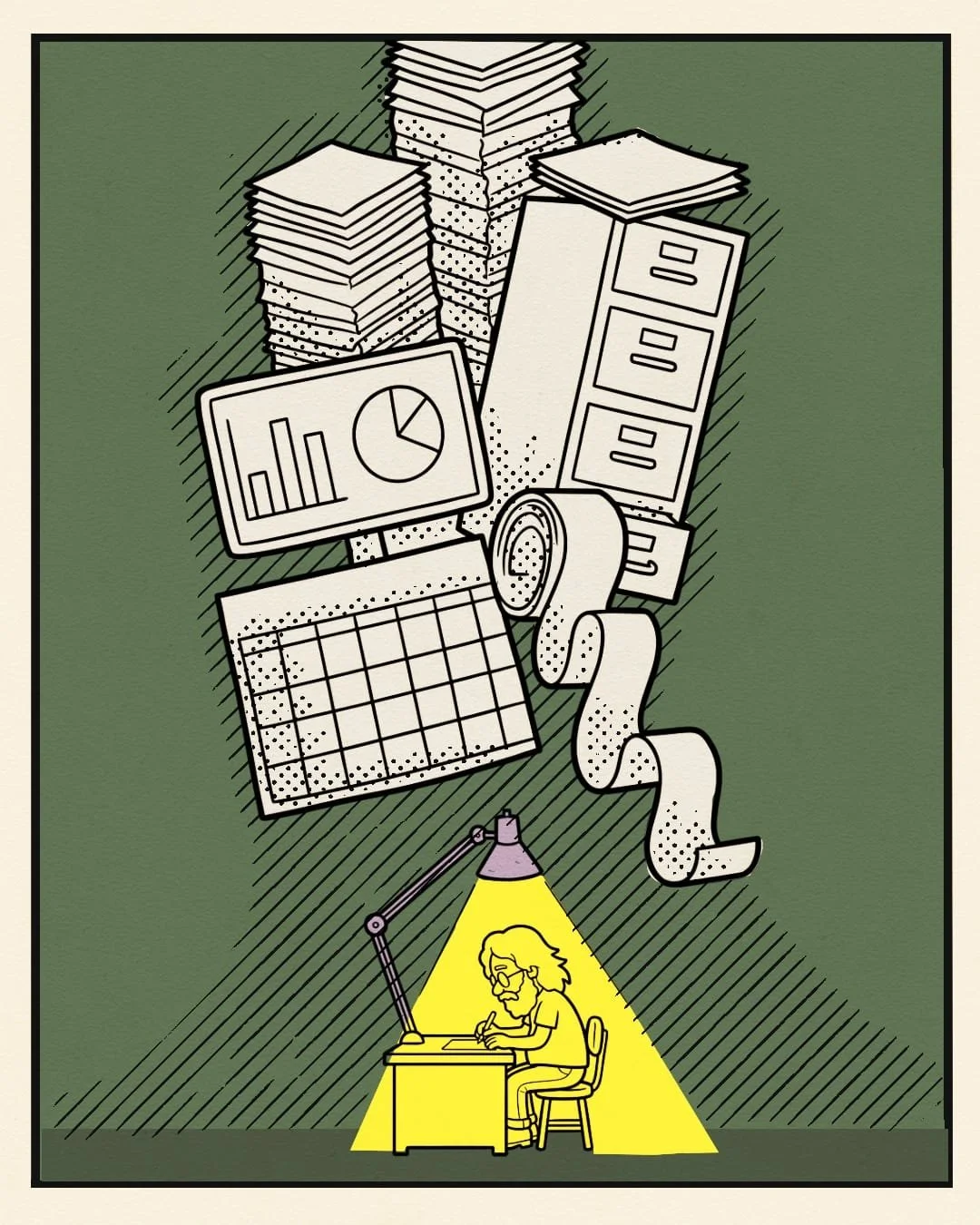
The rewards came later. People replied to those issues over and over again because they related to them: it sounded like them, and they felt heard and seen. They quoted me on later calls and recommended me to their friends. And the rewards came when all those learnings could be crystallized into a framework I can teach, because I took notes on it all.
The trap is doing only the work that pays off now. The slow work does pay, but late, so it never feels like it’s working. The fast work pays immediately, so it always feels like it is.
So you have to decide what counts as a win, on purpose, now and in the long term. Otherwise the instant payouts decide for you, every single time.
A good week can include things nobody will ever see:
the follow-up you sent to the “maybe later,” which is often where the next client comes from
the conversation with someone who didn’t buy yet, who might send you a friend instead
the notes you wrote after a call, which become next month’s content
your invoices sent on time, so your cash flow isn’t a surprise
tax money set aside every month, so the tax bill is just a transfer
that long contact spreadsheet cleaned up, so you know who to call when things get quiet
All of those count.
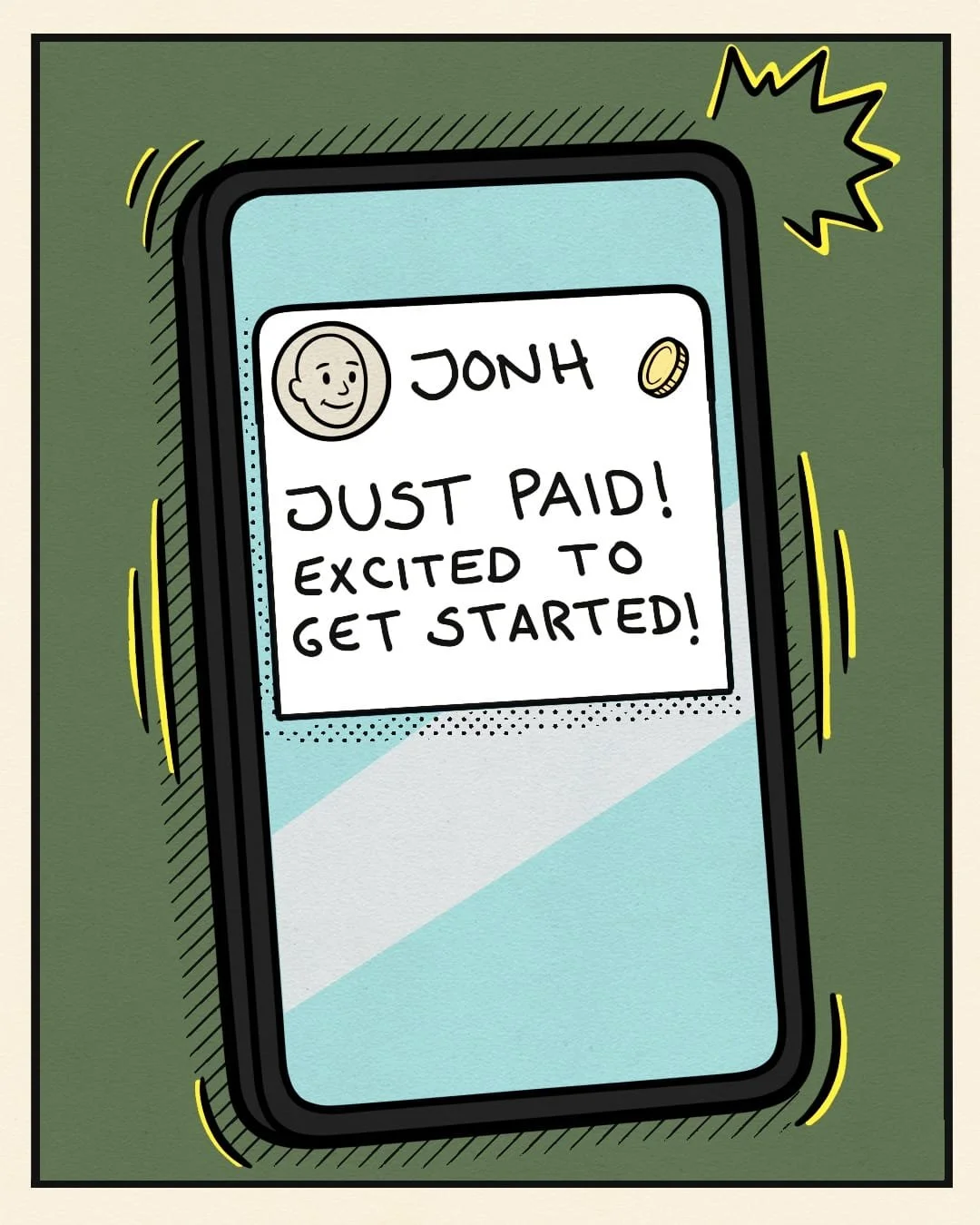
Try this now: write down everything you counted as a win last week. Next to each one, mark whether it paid out that day or will pay out later.
If almost everything paid out that day, your business is being run by the reward machine. Pick one slow thing for this week, like a follow-up, a conversation, or writing down what a client told you, and count it as a win when you do it.
Hit reply and tell me: what did you count as a win last week? I read every reply.
Ricardo