They lied to you about freedom
THE PART NOBODY TELLS YOU ABOUT BUILDING YOUR OWN BUSINESS
One of the biggest lies about working for yourself is that you’ll finally work less.
No more Dave’s useless meetings he insists on having every week.No more toxic manager. No more corporate rituals: forced office fun, awkward small talk, and the endless gossip everyone pretends to enjoy.
Now it’s just you, your expertise, and the freedom to organise your life the way you want. Fuck yeah, rock & roll and the open road.
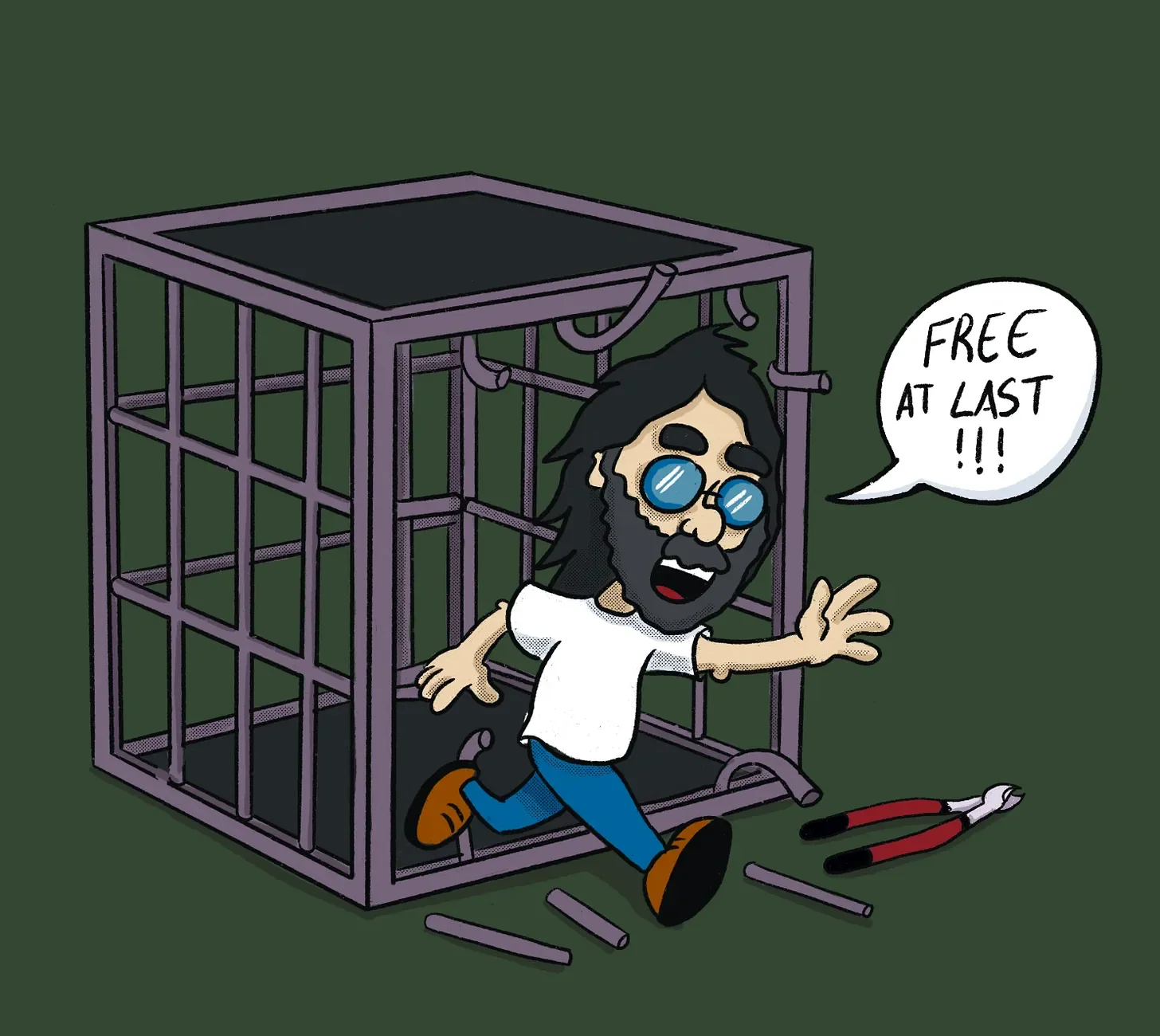
It sounds great. Here’s the part nobody tells you: at the beginning, you’ll almost certainly work more. A lot more.
And this idea doesn’t sell very well, which is why you don’t hear it advertised much by online gurus. Many people come into solopreneurship expecting a simpler life. What they discover instead is that they’ve just inherited an entire business.
Not just the fun part.
You are now the sales team, the product development taskforce, the marketing department, the operations lead, and the CEO. On top of the work you’re actually good at, and brings the bacon home.
In the early stages, most solopreneurs experience the opposite of what they expected. More responsibility, more things to figure out, too many decisions to make. And the quiet realisation that someone may have lied to them about how this works.
You can’t have a flexible schedule until there is predictable revenue.
You can’t choose your clients until you know how to attract the right ones.
You can’t slow down until the system actually supports you.
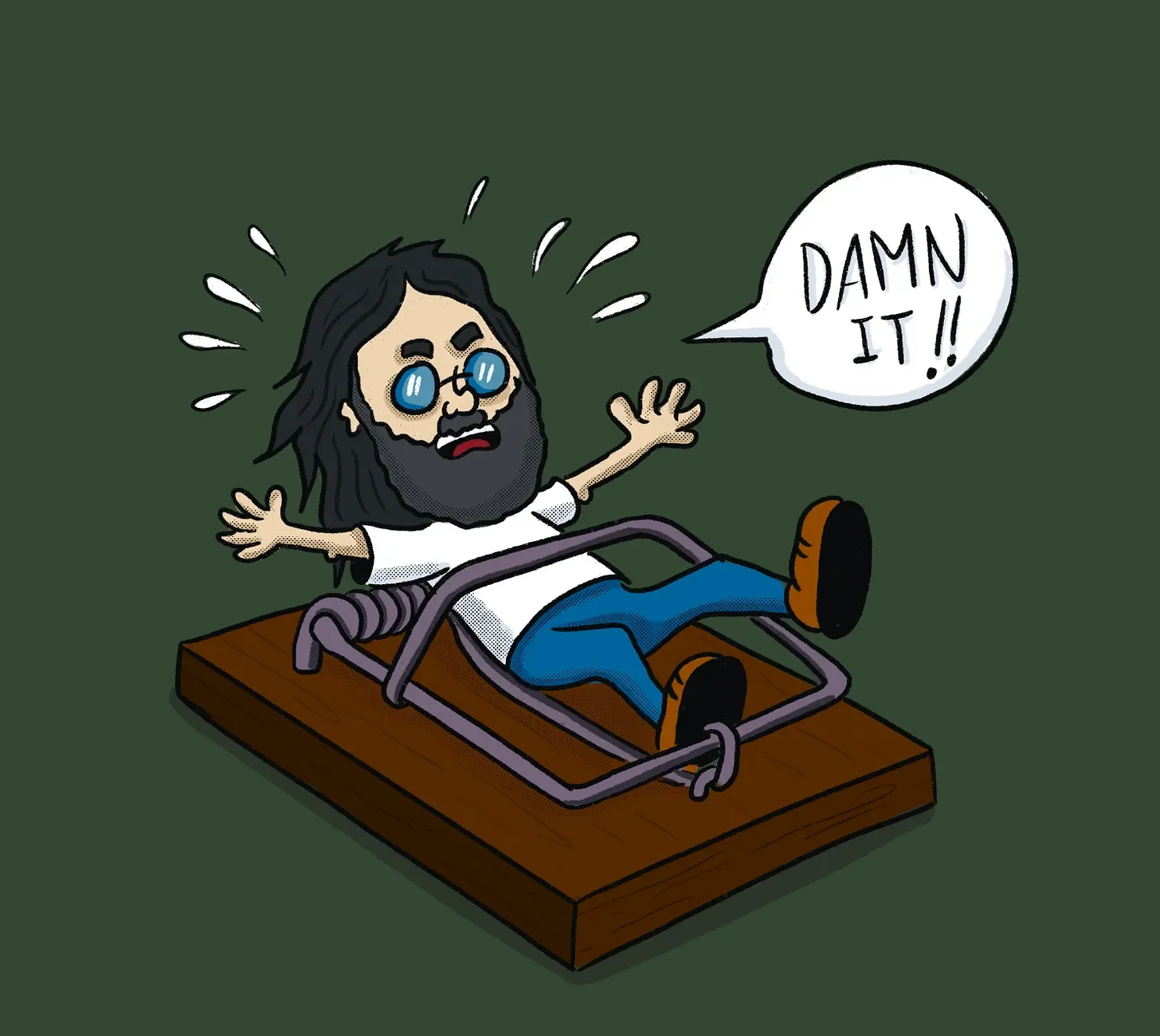
Freedom only appears after structure exists, and structure takes time to build.
That’s the part nobody talks about, because it ain’t sexy.
The beginning of a solo business is the crucial design phase.nYou are figuring out things like:
• who you help and where to find them
• what problem you solve
• what exactly you sell
• how to price your work
None of this happens instantly. It takes experimentation, iteration, and a lot of thinking. And honestly, also failure.
This is why the early months often feel intense. You are doing the billable work while also building the machine that will eventually make the work sustainable.
But once the structure begins to take shape, clients start arriving more predictably, it becomes easier to explain what you actually do, and decisions get faster and clearer.
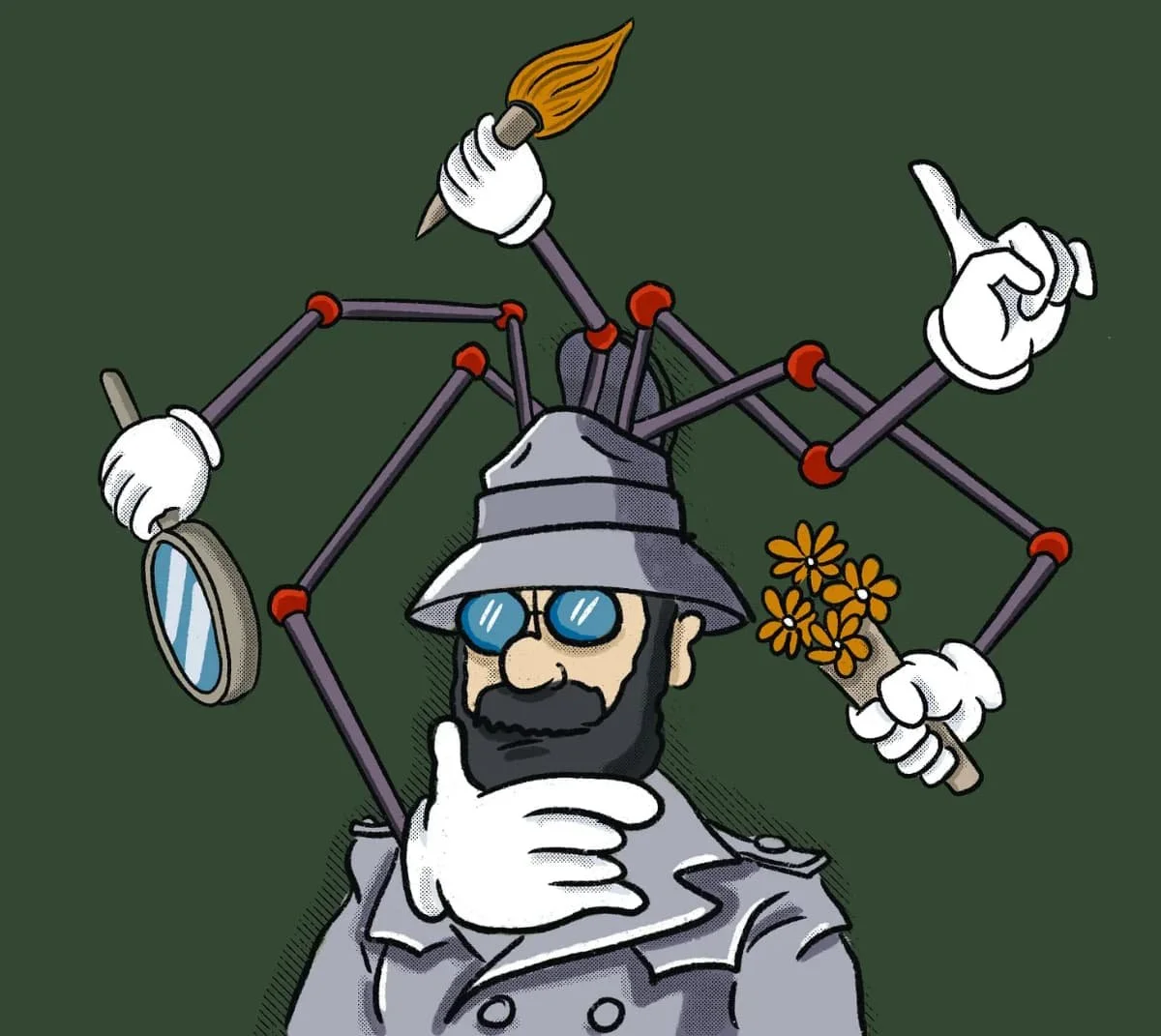
You start to see how the pieces of the business fit together, and that’s when independence starts to feel real. Not because the effort disappears, I’ll tell you that. But because the effort is finally working for you.
Starting a business isn’t a shortcut to working less.
It’s a commitment to designing something that eventually gives you more control over your work, your income, and your time.
Freedom comes later.
What surprised you most after you started working for yourself?
Was it:
• how much work there actually is in the beginning
• how many decisions you suddenly have to make
• how how unclear things feel at first
Hit reply. I read every response