Your "flexibility" is costing you clients
STOP GIVING YOUR LEADS HOMEWORK
You’ve been there.
The chemistry was perfect. You met for a talk, the conversation flowed, and they seemed really excited about you and your work. You left the meeting thinking, “This is it. A major win.”
(I’m talking about your clients, not your date, by the way.)
Then, you sent the follow-up email. A friendly summary of what you discussed. A “vague pitch” is sent over, and you keep it open-ended because you want to be collaborative.
You offer a range of options because you want to be flexible. You tell them you’re “happy to jump on another call to hash out the details.”
And then… silence.
Days turn into weeks. You send a “just checking in” email. Nothing. Sorry, but you’ve been ghosted by a “perfect” lead.
One of my clients, a brilliant senior creative, recently experienced this. They had the coffee, they had the connection, but their follow-up was more of a “vibe-check” instead of moving the client forward.
They were ghosted because the client was busy, and without a clear next step, it’s easy to move on to someone else who has one to offer.
When you send a vague, flexible proposal, you aren’t being “easy to work with.” You are assigning your client homework.
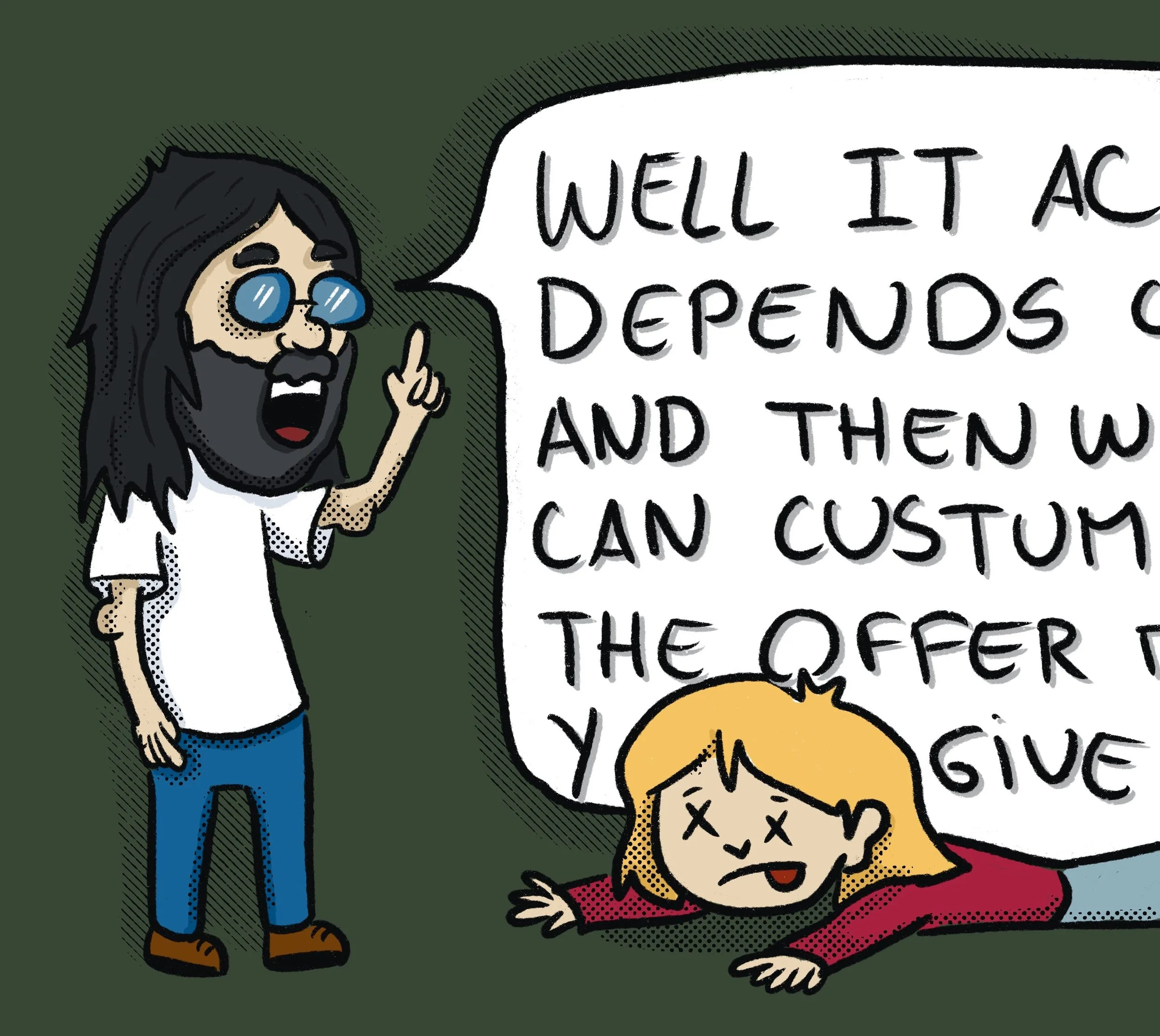
You are asking them to do the cognitive heavy lifting of figuring out how to integrate you into their business. In a world of infinite distractions, “figuring you out” is the first thing that gets dropped from the to-do list.
After all, they are hiring you to solve a problem, and you just gave them another one.
The mistake most creatives make is thinking that a “big project” requires a “big proposal,” which eventually will lead to a very “flexible” proposal or solution.
In reality, the bigger the project, the higher the perceived risk. When you offer “flexibility,” you are actually offering uncertainty. And in a high-stakes and fast environment, uncertainty is a reason to say “not now.”
If you want to stop getting ghosted, you have to stop asking them to marry you after the first coffee. You need to offer a bridge.
The power of the “small yes”
Instead of a 10-page “vague pitch” for a six-month engagement or a high-ticket program, offer a discrete, high-value, low-risk first step.
Think of it as a productized discovery:
Instead of “full product restructuring,” offer a Roadmap Session
Instead of “3-Month Brand Strategy Project” offer a 90-minute Audit
Instead of “Open-ended Consulting,” offer a Fixed-Price Diagnostic
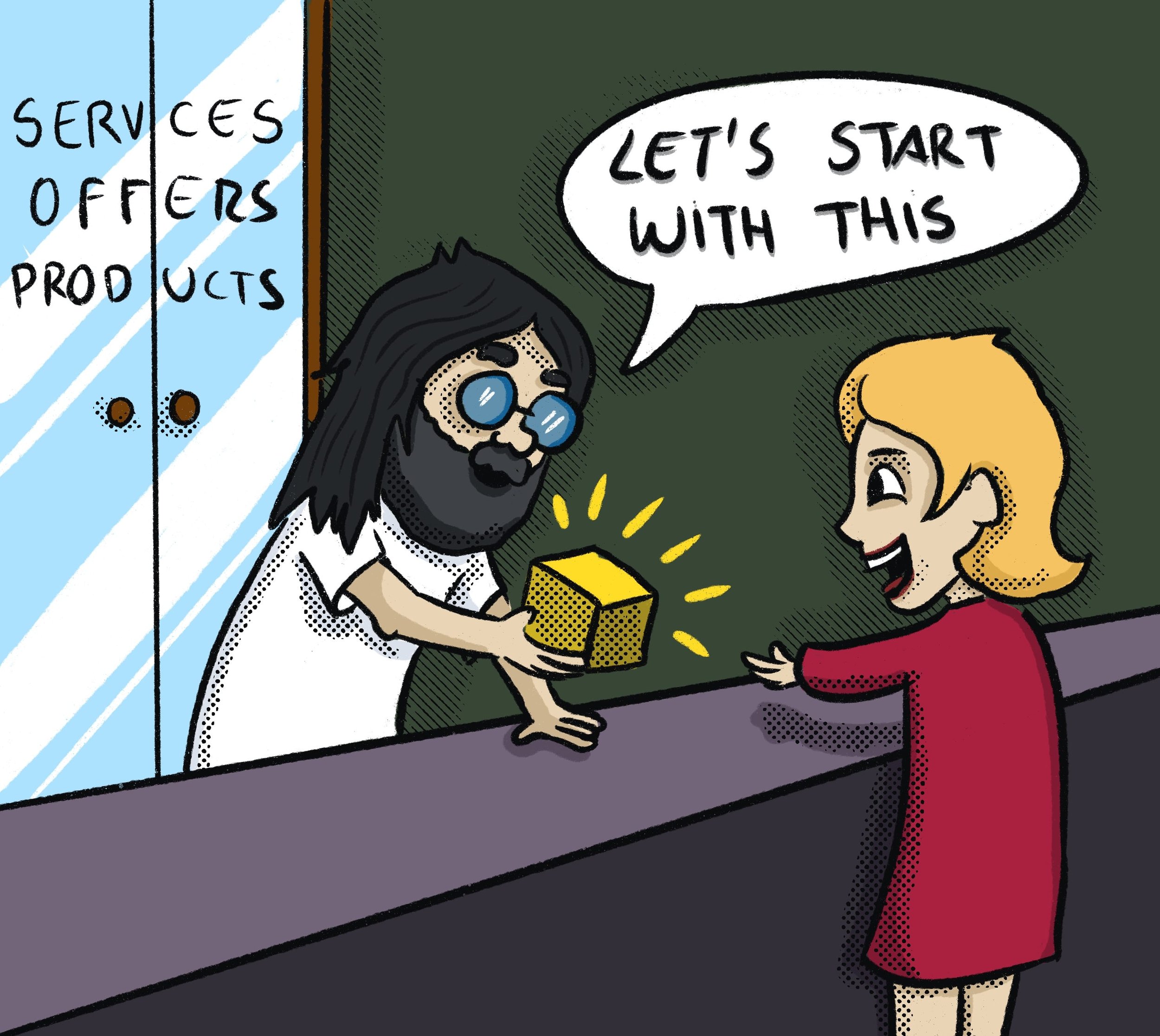
By shrinking the “ask,” you do three things:
Eliminate the homework: You aren’t asking them to “figure out how to use you.” You are telling them exactly what the next 90 minutes look like and what they get out of it.
Lower the stakes: It’s much easier for a lead to approve a $2k “Diagnostic” than a $25k “Transformation.”
Establish authority: You move from being a “hands-for-hire” waiting for instructions to someone who is providing immediate value.
Your job isn’t to be a blank canvas for their ideas and a hyper-customisation machine. Your job is to be the person with the map.
If the client is lost in the woods, they don’t want you to ask, “Which direction do you feel like walking today?” They want you to say, “The path is this way. Follow me.”
Tired of getting ghosted? Let's create your "small yes" together.
I have a question for you:
Look back at the last three “follow-up” emails you sent to potential clients.
Did you offer them a clear system, or did you offer them “flexibility”?
Hit reply, I read and respond to all of them.