And what my clients did instead
You're good at what you do. You've been working on your business for a while, you're busy every week, and still it doesn't quite move forward. If that's you right now, you're in very good company.
This summer I had many interactions with people in that spot, in client sessions, sales calls, events, and workshops. I've been in that spot myself, more than once. And the same five traps came up again and again.
Honestly, all of them feel intuitive and like a good choice. But as time goes by, you are still in the same place you started.
"Maybe I'm not made for this" you start thinking.
Let me stop you right there; that’s the wrong conclusion. This says very little about how good you are at what you do. Most of these traps come from working alone, with nobody to check your thinking before you spend months and money on it.
So a few weeks ago I went back through a year of notes from the Solo Accelerator. I wanted to understand who moved the furthest this year, and what they did differently.
This is what I found.

1. Being married to your idea is a sure way to kill your business before it even starts
You decide early on who you serve and what they need, and you put everything into selling to them without checking whether they want what you're offering, or even whether they have the problem you solve. It often shows by investing too soon in developing products, sales systems, content, and tooling, before validating if your client sees the problem and will pay to have it solved.
Milene came in with a strong interest in AI and leadership, and a clear idea of what she wanted to build. Before building it, she did a research and validation sprint and talked to the people she wanted to serve.
What she found surprised her because, you see, the problem was real and worth solving, but her audience didn't see it as a problem, let alone paying for a solution.
That's hard to hear about something you love, but it saved her months of building something nobody would buy. She used what she learned, found a new problem, a willing audience, and changed direction.
This month she just launched the beta version of CogNative, her own digital product.
What to take from Milene: find out and validate that people actually have the problem you solve, are aware they have it, and feel it’s urgent to pay for a solution, before you invest in anything.
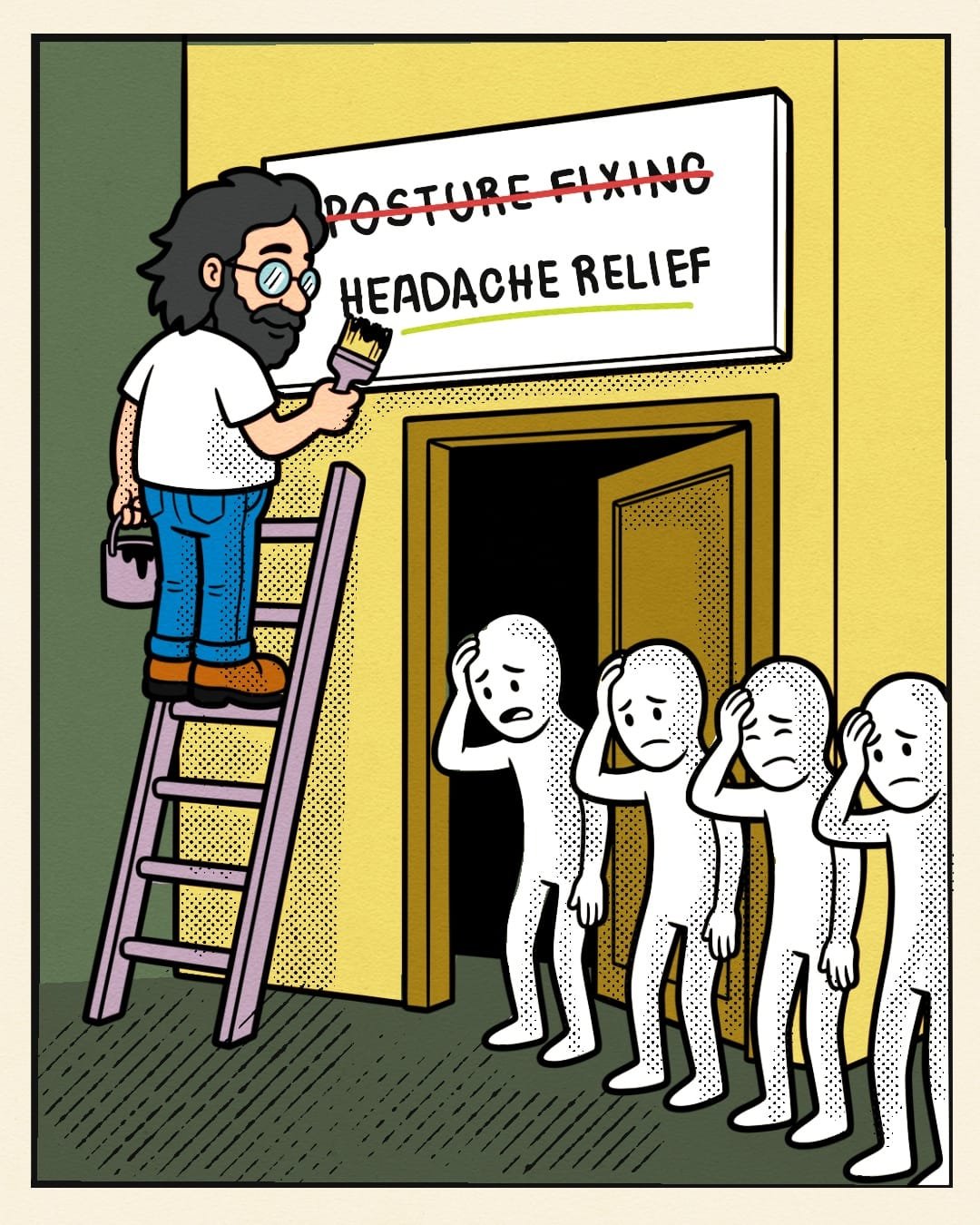
2. Talking about how your clients relate to their problems, instead of how you relate to it, matters more than offering a perfect solution
You describe what you solve the way you see it and not how your client relates to it. You will be surprised that many clients don't know they have that problem in the first place, until it’s well articulated by someone else. But not all words are made equal, and often they use different words and expressions to talk about their issues.
If you don't meet them where they are, you will certainly not convert leads into clients.
Quentin is a legal operations consultant. He helps in-house legal teams run more efficiently: clearer processes, the right tools, less chaos, predictable workflows.
That's an accurate description of his work, and it's also not how his clients talk about their problems. Right now, what legal departments talk about is AI. Their management wants them to use it; they've tried it, and it isn't delivering much.
So Quentin changed his angle to helping legal departments build the systems that turn AI into results they can measure. The work isn't only about AI, and underneath it's the same legal operations work he always did, but now he starts from the problem his clients already have in their minds, in the words they already use.
What to take from Quentin: how you describe what you solve and how your client describes it can be very different. Use their words, and start from where they are with the problem.
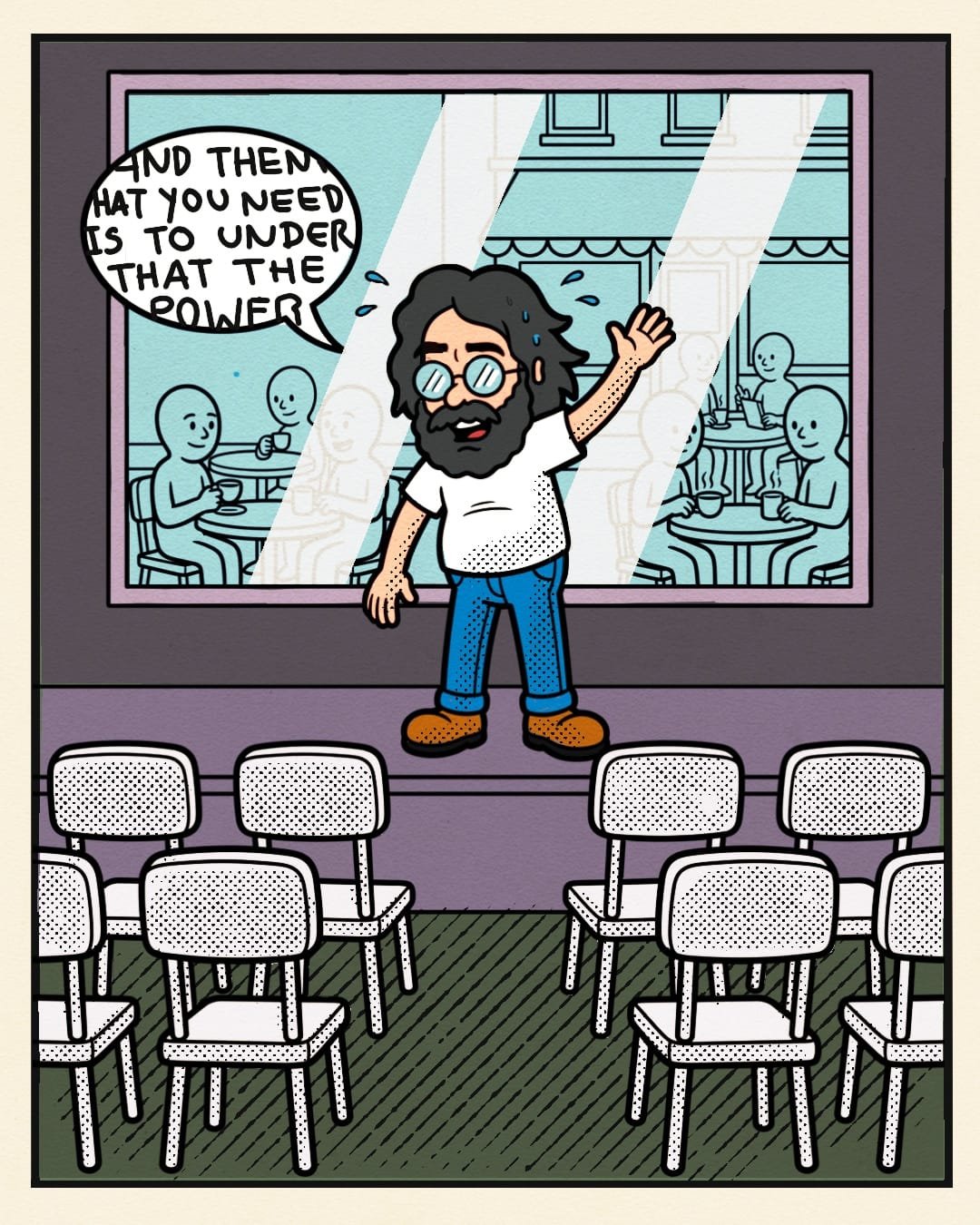
3. You don’t hang out where your clients are and expect you to be
You put effort into channels everyone talks about: LinkedIn and Instagram, without checking whether your clients are actually there. You attend your industry events full of peers looking for gigs, not clients. We create mailing lists without a strategy to find subscribers.
At the start of our work together, Alexis, Alem’s founder, was preparing three months of LinkedIn content. They realised halfway, the clients they wanted to reach weren’t on LinkedIn, let alone reading posts there. Three months of posts would have been a waste of time and would have resulted in zero sales. One other client, after months of written outreach on LinkedIn, felt forced, mechanical, and not bringing results. But in person it was easy and authentic for her to sell. She sold three workshops to people she had face to face time with, making events and relationship building the main channel.
What to take from both: being where your clients are is a bet, and you only find out which bet pays by testing. LinkedIn content, cold outreach, events, partnerships - all of them are valid. It all depends on your business, your clients, and what feels authentic to you.
In a solo business, trust is the key factor to convert clients. Nothing converts clients more than good relationships. Start working on that, no matter the format.
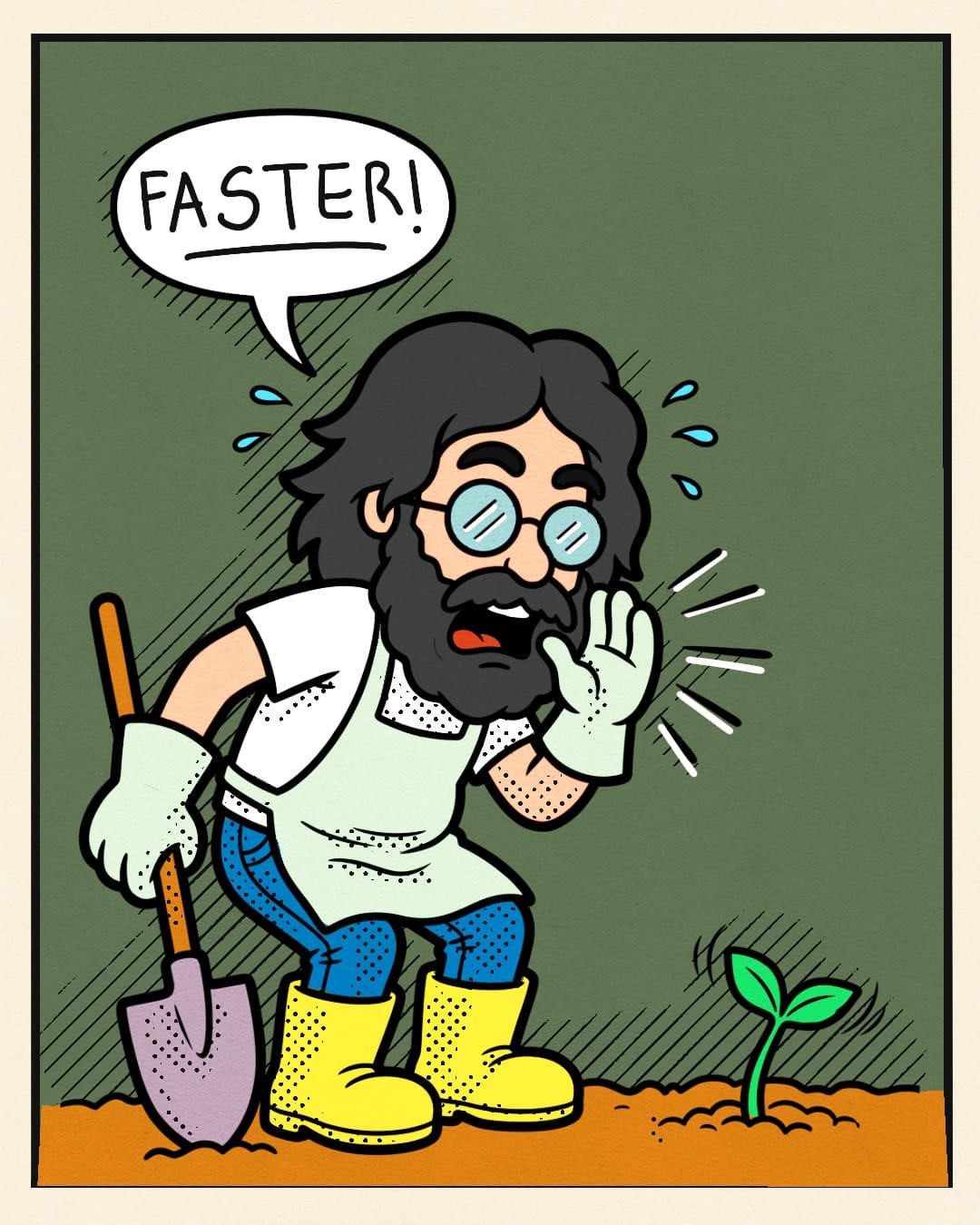
4. You don’t give it enough time for your business to have a chance to succeed
A business takes longer to work than anyone wants it to - all the freaking time. People reinvent their businesses too soon. Every time you do it, the clock starts again from zero.
Golbarg came from a career in research and joined in February as a brand new integration coach with no clients. After three months with no sales results, it was tempting to rethink everything and try something different. But she persevered and gave it enough time for results to happen.
Now it's October, and she has her own private clients, partnerships for events and collaborations in place, sold-out workshops, and has just launched her newsletter.
What to take from Golbarg: pick a direction, make a plan, and give it enough months to work.
What all these had in common was focus: on the right things, in the right order, for long enough to see results.
Every member of the Solo Accelerator starts with a 90-day plan where we set the goal, the priorities, and the sequence of actions, so you know what to do this week, what can wait, and when you'll know if something is working.
Other members like Simone said, "I know exactly what to invest my limited time on." Alexandra, who joined this month, wrote to me that her plan "added a lot of structure to my thinking."
Ninety days is also roughly how long it takes to test something properly, which is a way to avoid reinventing yourself every quarter.
5. You think that because you are a solopreneur you have to do everything by yourself
It’s tempting to think that we have to do it all alone. To not share our struggles, challenges with others and ask for help and support. To be proud of figuring it out ourselves and save every single penny. That’s a huge mistake.
I did this myself, and I regret it. It took me much longer to get where I am today; I lost a good two years of momentum by trying to do it all and not investing in my business, and being scrappy. But it was only when I sought help, invested in my business, and found communities where I felt less alone that my business flourished.
“Go solo but not alone” is not a slogan; it’s a rule that I live by, and I bring it to all corners of my work with you.
Looking at those five traps, which one are you in right now?
I would love to hear from you. Thanks for reading; you are freaking awesome!
If you'd like someone to check your thinking with, that's what my free 45-minute call is for: