Custom is not a premium, it’s a problem
WHAT SEPARATES STRUGGLING FREELANCERS FROM SUSTAINABLE SOLOPRENEURS
“Every client of mine is different.”
“My work is too creative to be put into a box.”
“I provide a premium, white-glove experience, so every project has to be custom.”
I hear these three sentences every single week. And usually, the person saying them is working 45+ hours a week, struggling to scale, and stressed because they have to start from zero every Monday morning.
Here is the hard truth you need to hear: “Bespoke,” aka custom, is often just a fancy word for “I don’t have a system.”
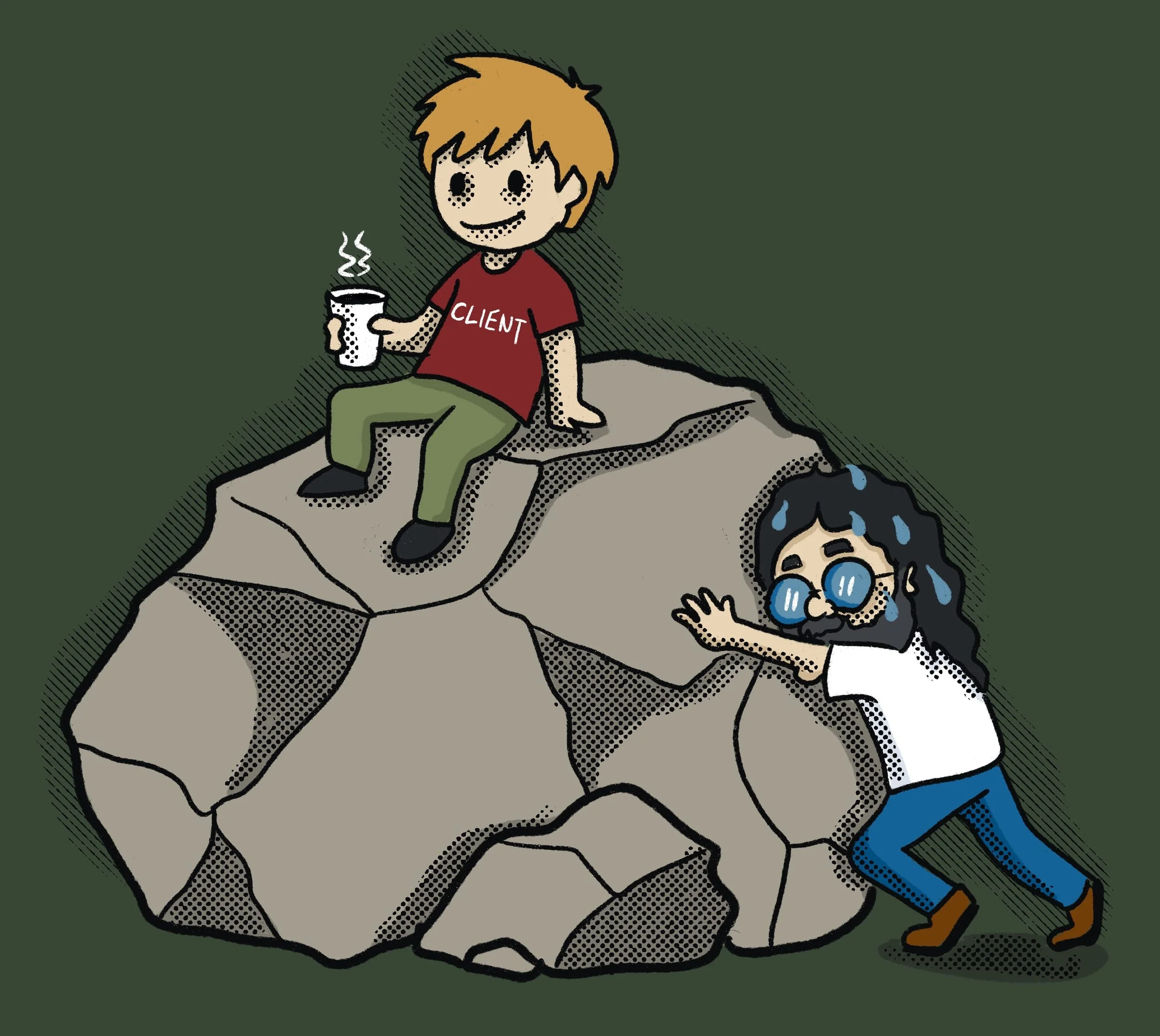
The freelancer trap vs. the solopreneur System
This is the biggest differentiator I see in the market today. It’s the line between those who are “hands-for-hire” and those who “create continuous value.”
The Freelancer is a hyper-customization machine. They wait for a brief, adapt to every client’s unique dark desires, and trade their hours for money. Because they start from scratch every time, they are trapped in a cycle of “learning” instead of “leading.”
The Solopreneur is a system-builder. They don’t sell their time; they sell a proven path. They recognize that while the client is unique, the problem is usually one they’ve solved a dozen times before.
The freelancer thinks “Custom = Premium.” The solopreneur knows that Standardization = Authority. And by the way, it can be Premium too.
Look, does a world-class surgeon “brainstorm” a new way to perform a heart transplant every time they walk into the OR? Hopefully not.
They follow a rigid, highly standardized protocol. They do this so they can focus 100% of their “creative” brain on the unique nuances of your specific case, rather than wondering where the scalpel is.
When you have no system, you are unpredictable, not premium. And unpredictability, these days, is a risk that clients get tired of paying for.
Find the patterns in your clients, and you will find your way to serve them better and more predictably.
Most of us think our clients are unique snowflakes (not the derogatory use of this word!). But if you look closer at your last 10 clients, you’ll see the patterns.
Once you stop looking at the industry (e.g., “I work with XYZ”) and start looking at where they are in their challenge, the “bespoke” illusion goes away.
You’ll realize that across all your “different” clients:
They struggle with the same 3 roadblocks
They want the same 2 outcomes
They trust the same types of evidence
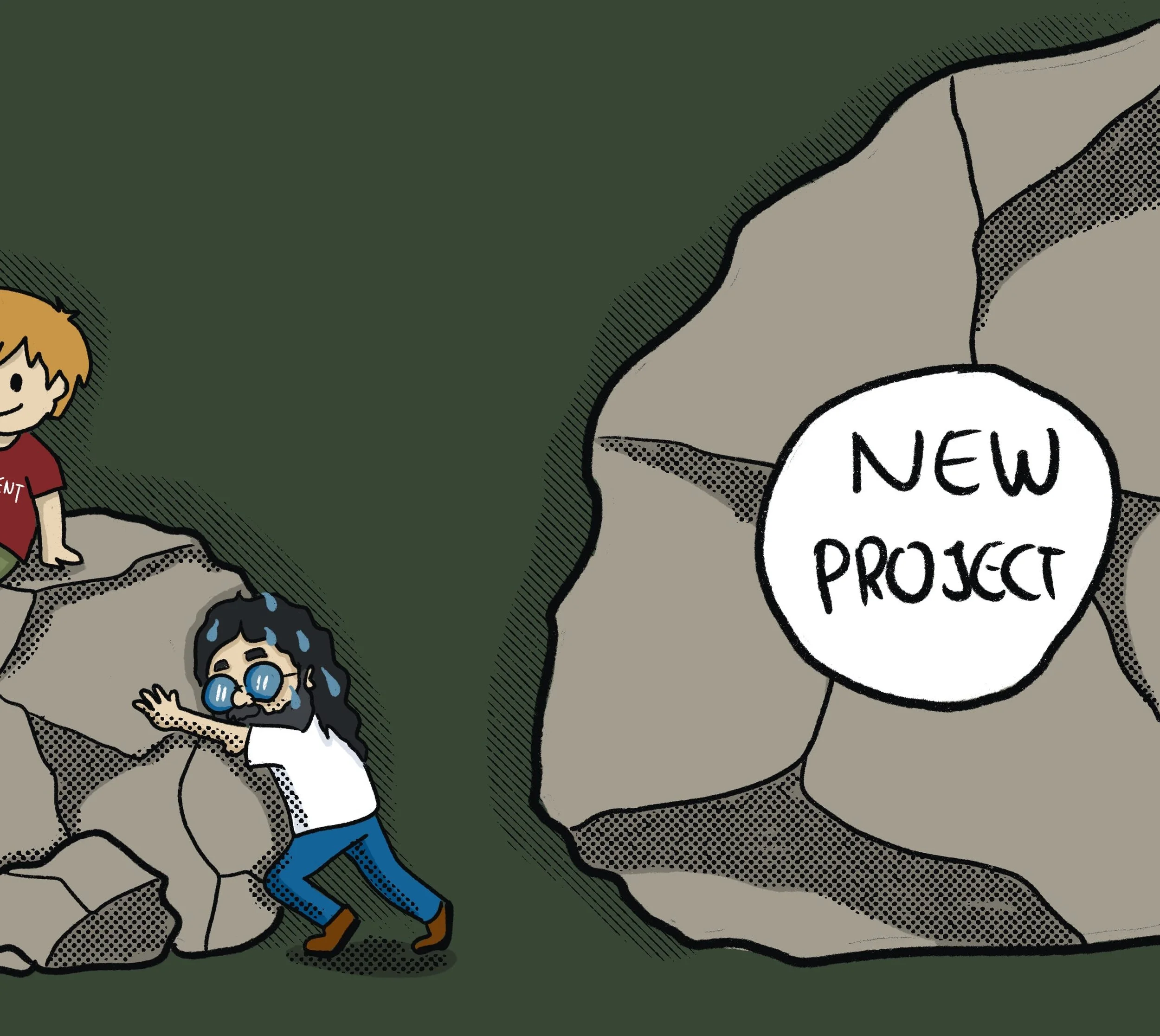
When you identify these patterns and you understand how ready they are to buy from you or not, you can offer them exactly what they need at their specific stage. You move from “I can do anything” to “I have a system that solves this.”
Standardization doesn’t kill your creativity. It protects it. I’ve studied Fine-Arts, and believe me, the best artists have a repeatable process, even if it doesn’t look like that from the outside.
It frees your mind from the administrative weight of “figuring it out” so you can focus on the actual work that gets the results.
If you’re tired of the “Freelancer Trap,” I want to help you build your exit strategy.
In the Solo Accelerator, we don’t just “talk shop.” We look at your past clients, map out the patterns, and build a Productized System that allows you to charge for the outcome, not the hours.
Whenever you’re ready to stop being a freelancer and start being a solopreneur:
I have a question for you:
If you had to deliver your next project in half the time without losing quality, which part of your process would you have to standardize first?
Hit reply, I read every single one.